


A small school in Colorado is proving that big change can start with young, mindful people.
At Fort Lewis Mesa Elementary, students are leading a creative food waste program. They're turning leftover cafeteria scraps into feed for local pigs, ducks, and chickens, per The Durango Herald.
The effort — run by a group of young eco-leaders called the Green Team — is part of a district-wide initiative to manage school waste more responsibly. But the school's principal, Jenny Imel, believes her students play a big part in the program because of their rural location.
"Other schools do it, but we really are the front-runners being out here," Imel told The Durango Herald.
Food waste is one of the largest sources of preventable loss in the U.S., often straining household budgets and contributing to planet-heating methane pollution in landfills. At Fort Lewis Mesa, students are tackling that problem head-on and helping their neighbors in the process.
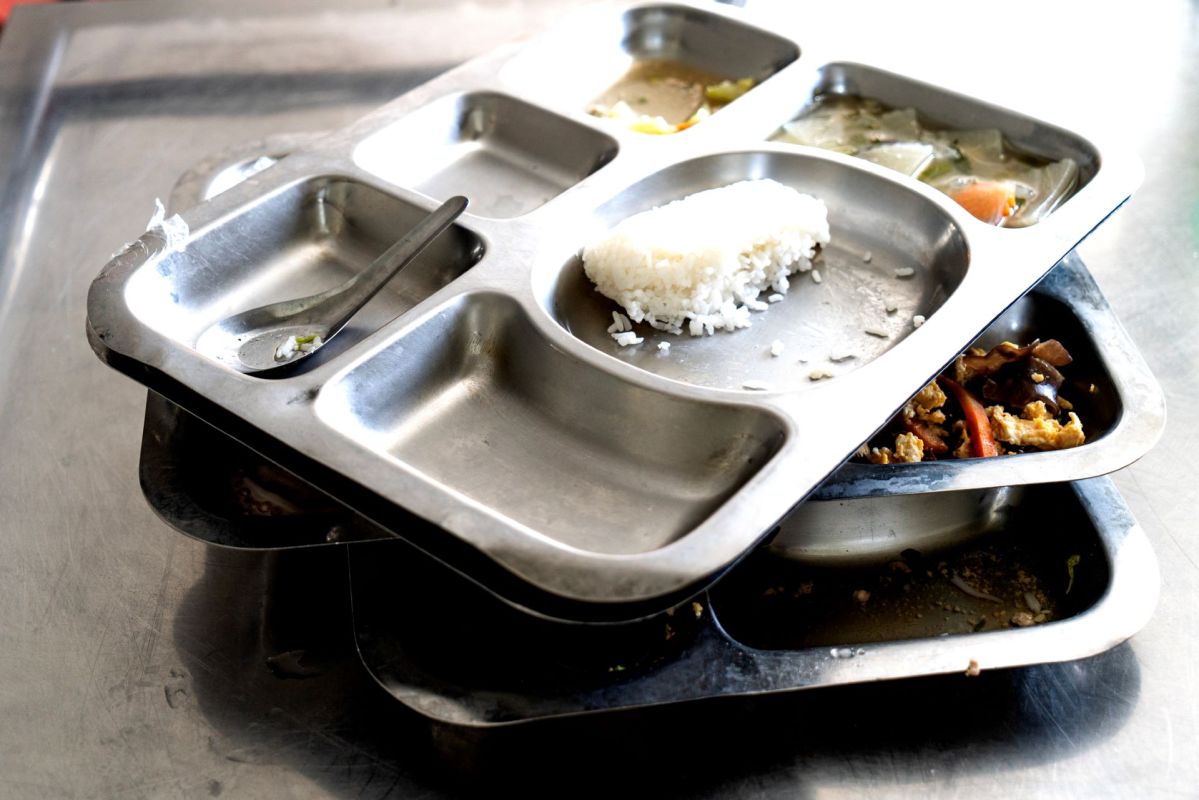
Each day, Green Team members put on gloves and sort through lunch leftovers. They separate fruits, veggies, grains, and proteins into designated bins. Local families then collect the scraps to supplement their farm feed, cutting down on costs while preventing things from going to waste.
TCD Picks » Quince Spotlight
💡These best-sellers from Quince deliver affordable, sustainable luxury for all




"Pigs love everything," school nurse Loni Story-House, who uses the scraps for her animals, told The Durango Herald. "Having the school scraps really helps with the amount of feed we purchase for our pigs and chickens."
This is also a huge help for the local community: more than 70% of the school's students come from low-income families, per The Durango Herald.
For homes already managing tight budgets, this thoughtful sharing system is a meaningful way to make food stretch further. It also teaches students about responsibility and serving the community.
By redirecting leftovers to local families and farmers, programs like this help keep valuable nutrition within communities instead of sending it to landfills.
|
If you compost your food scraps, what's your primary motivation? Click your choice to see results and speak your mind. |
 Improving my garden's soil 🌱
 Reducing food waste can also lower vulnerable households' risk of food insecurity. It can reduce grocery bills and conserve precious resources like water and farmland that are used to produce food.
For anyone looking to waste less at home, learning how to use your leftovers effectively or keep your food fresh longer can help. Composting your kitchen waste is another great way to repurpose waste and support your garden — and if you grow your own food, the rewards just keep coming back season after season.
Since launching three years ago, the Green Team has become a hands-on environmental education program with a ripple effect beyond school walls. Students learn not just about waste reduction, but also about empathy by seeing how small, everyday actions can help others.
District custodial manager Ron Reed, who oversees the program, told The Durango Herald that the kids' leadership continues to inspire him: "They are my daily reminder that true change begins with a single idea, and true leadership is leading by example."

Join our free newsletter for good news and useful tips, and don't miss this cool list of easy ways to help yourself while helping the planet.






