
In El Paso, Texas, and across the nation, severe summer heat has shifted from an occasional occurrence into a new reality. For residents trying to keep their homes cool, that change is showing up on their electricity bills.
Here's what to know
Data and forecasts from the National Weather Service, as reported by El Paso Matters, indicate that El Paso's average temperature from June 1 through Aug. 31 will be 86.6 degrees Fahrenheit. If that holds, summer 2026 will rank as the city's fifth-warmest on record.
Before 2009, El Paso had recorded just one summer with an average temperature above 86 F. Since then, it has crossed that threshold eight times, and the city also saw 52 days above 100 F between June 1 and Aug. 31, the sixth-highest total on record for that stretch.
El Paso's desert nights once offered more relief from daytime heat, but that pattern is fading. Since 2000, the city has averaged roughly one month each year with temperatures that do not drop below 75 F, about four times the rate recorded during the previous century.
Energy bills suffer from that increase in heat index. One of the best ways for homeowners to cut energy costs is by going solar. Readers who want to explore their options can use EnergySage to get free solar installation estimates and compare quotes.
More background
Increased heat is not the only issue, as it is paired with the current industrial fight for the electricity supply. A 13% El Paso Electric rate increase took effect May 1, raising the cost of running air conditioners during the year's harshest months.
Using electric rates that took effect May 1, El Paso Matters modeled a 2,500-square-foot home and found that monthly bills would be about $74 lower under temperatures resembling El Paso summers from 2000 to 2008, or more than $220 less over the full summer.
The difference was even greater than under conditions El Paso had a century ago: nearly $98 less per month, or $294 over the summer. That means climate-driven heat is adding hundreds of dollars to seasonal cooling costs.
Save $10,000 on solar panels without even sharing your phone number Want to go solar but not sure who to trust? EnergySage has your back with free and transparent quotes from fully vetted providers that can help you save as much as $10k on installation. To get started, just answer a few questions about your home — no phone number required. Within a day or two, EnergySage will email you the best local options for your needs, and their expert advisers can help you compare quotes and pick a winner. |

Hotter summers also raise peak electricity demand, which means utilities must build enough capacity to handle those surges. Utilities eventually pass those costs on to customers.
What can be done?
The fastest way to lower costs is to reduce the workload on cooling systems. Weatherizing a home, sealing air leaks, closing blinds to block direct sunlight, and raising the thermostat when possible can all help, especially during long runs of hot nights.
For many households, rooftop solar can also offer a more durable way to lower bills. EnergySage's free services can help people compare vetted installers and understand their options before making a major purchase. With EnergySage's help, the average person can save up to $10,000 on solar purchases and installations.
Tools such as EnergySage's solar map can also make the process easier to navigate. The map shows the average cost of a home solar panel system by state, along with solar incentives available in each state, helping readers find the best price for rooftop solar panels and access available incentives.
More From EnergySage
💡Go deep on the latest news and trends shaping the residential solar landscape

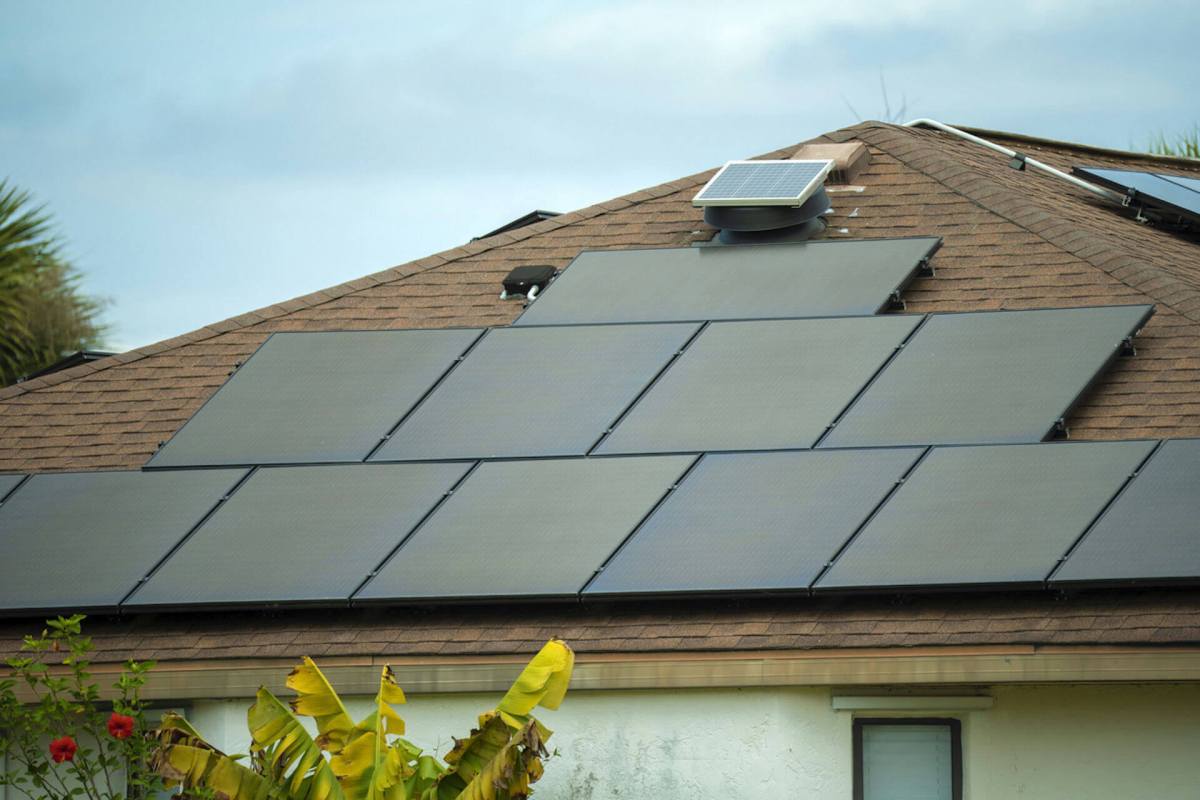

Adding battery storage to a solar setup is also one of the best ways to protect your home during outages, save on energy costs, and go off-grid. Homeowners interested in backup power and added savings can explore EnergySage for information about home battery storage options, including competitive installation estimates.
Where can I learn more?
El Paso's rising cooling bills fit into a pattern across hot cities and strained power grids. The articles below explain what peak-demand pricing means for households, how Southwestern heat is intensifying, and where efficient home technology can help ease the burden.
• Across California, households are facing an extra $200 to $500 on summer energy bills.
• In Phoenix, Arizona, dangerous heat is becoming a defining feature of urban summers.
• Washington state is making heat pumps mandatory in new homes to curb cooling costs.
• For many homeowners, heat pumps can lower utility costs compared with older systems.
These articles add context to the same pressures El Paso families are dealing with, while also highlighting a few practical ways to cut costs as brutal summers become harder to avoid.

Get TCD's free newsletters for easy tips, smart advice, and a chance to earn $5,000 toward home upgrades. To see more stories like this one, change your Google preferences here.