


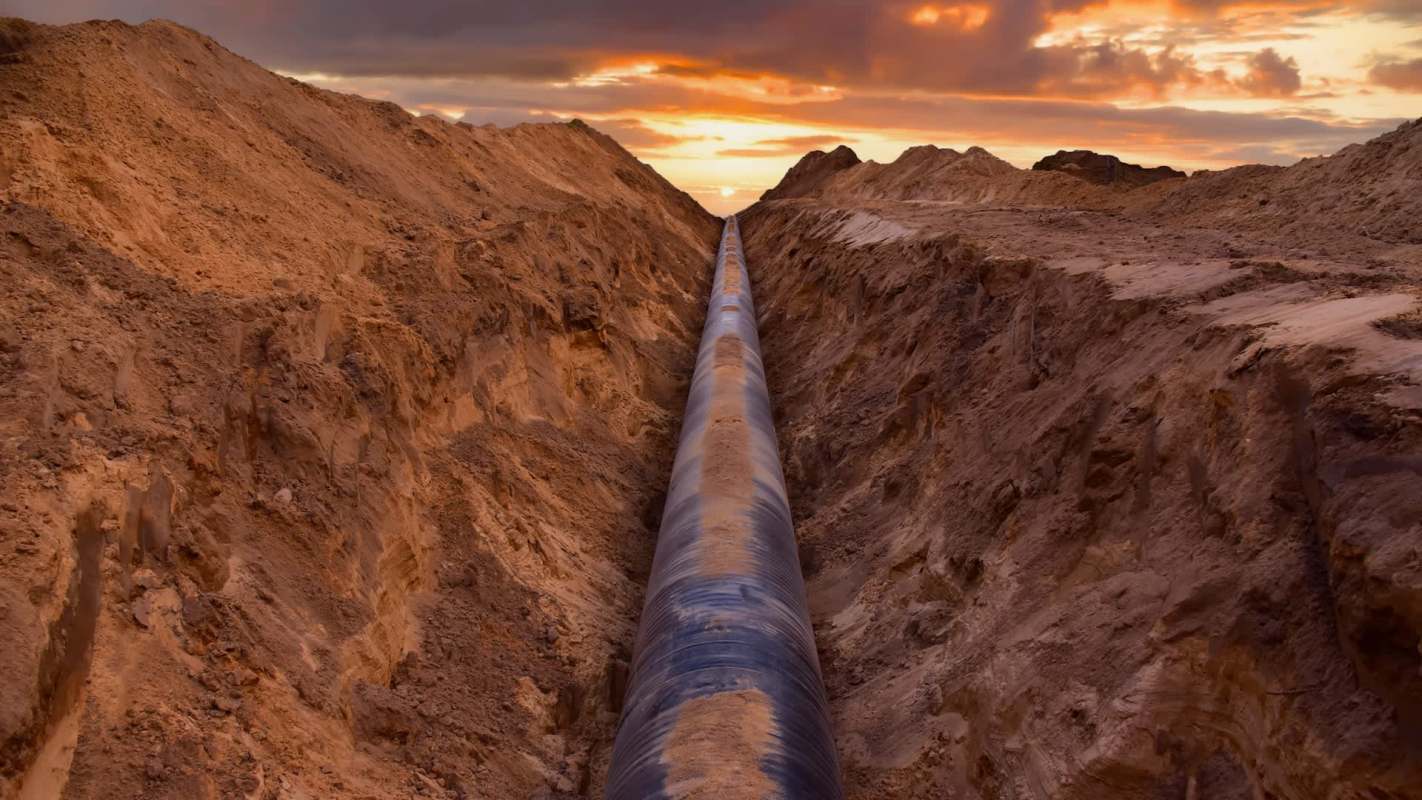
Environmental concerns over the East African Crude Oil Pipeline, or EACOP, are resurfacing after a new report found that the nearly finished project runs across wetlands and important wildlife habitat in Uganda and Tanzania.
Mongabay reported that Earth Insight's analysis places EACOP within black rhino range and close to water resources and biodiversity-rich areas that millions of people depend on.
What happened?
Stretching 1,443 kilometers (897 miles), the pipeline is intended to move crude from Uganda's Lake Albert region to the Tanzanian port of Tanga.
TotalEnergies, CNOOC, and the governments of Uganda and Tanzania are backing the project. Oil transport could begin as soon as October 2026.
Earth Insight found that the route approaches or cuts across wetlands, wildlife corridors, and places tied to livelihoods and water security.
Katie Boston, the study's lead researcher, told Mongabay, "It crosses right through endangered species ranges, the most important and critical one being the black rhino habitat range."
TCD Picks » Quince Spotlight
💡These best-sellers from Quince deliver affordable, sustainable luxury for all




Researchers also singled out the Kibale/Bukoora River Crossing as a vulnerable section. Habitat fragmentation there could affect pangolins, African wild dogs, and several primate species.
The site is near the SAMUKA wetland complex and Lake Victoria. That means a spill could have impacts far beyond the pipeline corridor.
Why does it matter?
Boston said the SAMUKA Ramsar site alone is worth about $117 million in ecosystem services. That includes fish, medicinal plants, and raw materials used by nearby communities.
Local advocates said some damage is already underway.
AFIEGO's Diana Nabiruma told Mongabay, "Replacement wells are subpar. The project not only takes from the wetlands, it also draws community water."
Nabiruma added, "These soils have flowed into wetlands, causing siltation."
The extraction, transport, and burning of oil and gas contribute to air and water pollution linked to health issues like asthma and heart disease.
At the same time, many households continue to face stubbornly high energy costs even as corporate profits rise. Industry lobbying can slow the transition to cleaner, cheaper energy solutions that would better protect families.
Mongabay also cited estimates from the Climate Accountability Institute. It put EACOP's emissions at roughly 34.5 million metric tons per year across its 25-year lifespan.
What are people saying?
Nabiruma told Mongabay, "Every community member AFIEGO has engaged with has raised grievances."
TotalEnergies pushed back on the criticism, saying the route was planned to limit harm and that extensive surveys informed the design.
Mongabay reported that a spokesperson said, "Around 80% of the pipeline footprint will be returned to its natural state."

Get TCD's free newsletters for easy tips, smart advice, and a chance to earn $5,000 toward home upgrades. To see more stories like this one, change your Google preferences here.






