


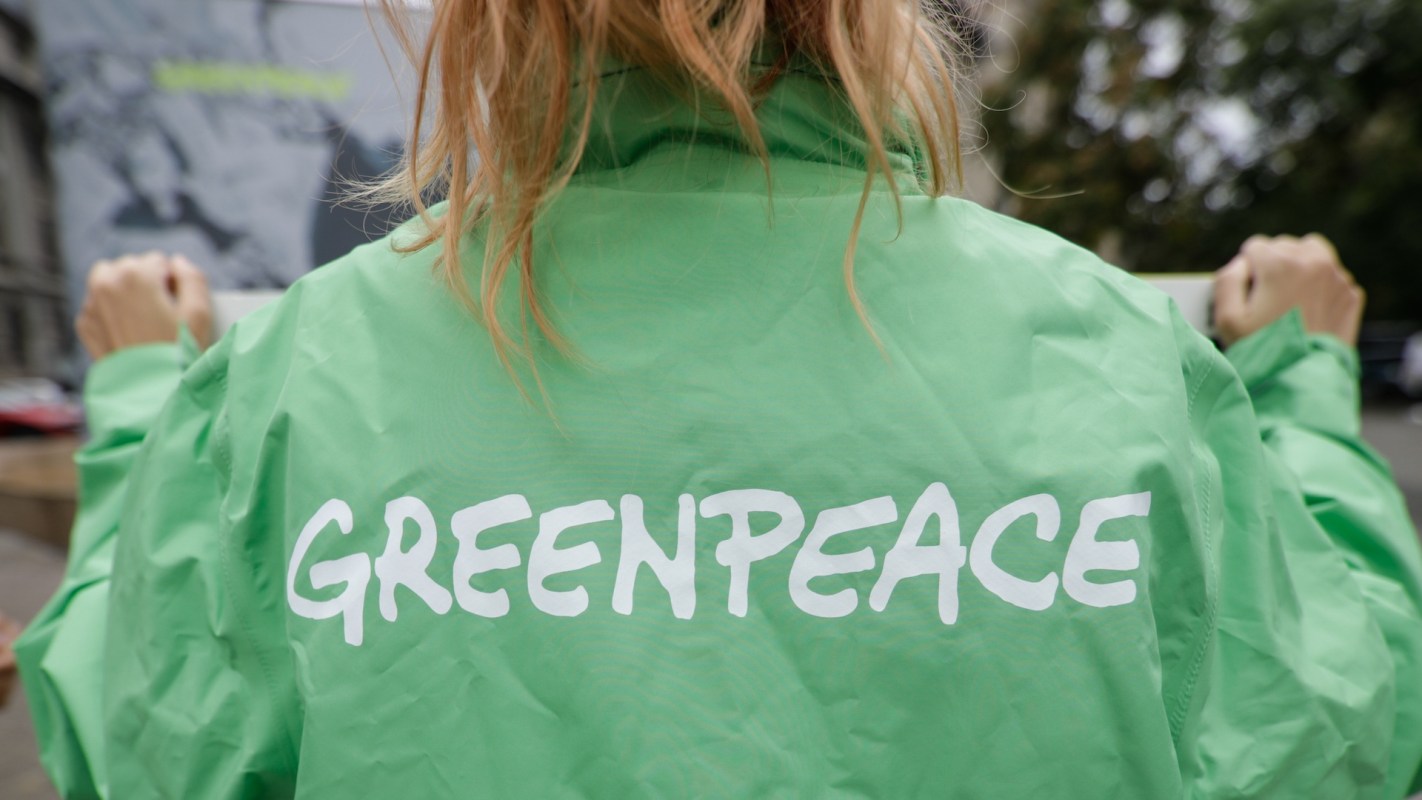
A Dutch court has given Greenpeace International a new opening in its high-profile fight with pipeline giant Energy Transfer, ruling that the group can pursue its case in the Netherlands over lawsuits tied to protests against the Dakota Access Pipeline.
The decision brings a major fossil-fuel-based legal battle onto an international stage, even after a North Dakota judge in February upheld an earlier ruling requiring Greenpeace to pay the company $345 million.
What happened?
On Wednesday, a court in Amsterdam said it has jurisdiction to hear Greenpeace International's case against Energy Transfer, rejecting the company's argument that the Dutch court should not hear it, according to a Reuters article on Yahoo News.
The Amsterdam court said it had jurisdiction in the case, despite Energy Transfer's objections, as Greenpeace is headquartered in the Netherlands.
Greenpeace is seeking compensation in connection with what it has described as "meritless" lawsuits filed in the United States by Energy Transfer over protests against the Dakota Access Pipeline project.
The court did not give Greenpeace everything it wanted, however. It dismissed the group's bid to secure protection under a new European measure meant to curb lawsuits used to silence rights activists. A hearing date has not yet been set.
TCD Picks » Quince Spotlight
💡These best-sellers from Quince deliver affordable, sustainable luxury for all




The case highlights how wealthy corporations use aggressive litigation to intimidate critics and discourage public protest.
Why does it matter?
The Dakota Access Pipeline became a flashpoint for Indigenous rights, water protection, fossil fuel infrastructure, and the power corporations can wield when communities push back.
The fossil fuel industry harms people and communities in ways that reach far beyond the courtroom. Oil and gas extraction, production, and combustion intensify extreme weather disasters that destroy homes, livelihoods, and local economies. They also contribute to air and water pollution linked to asthma, heart disease, cancer, and premature death.
At the same time, many households remain burdened by high energy costs as corporate profits rise, and industry lobbying can delay cleaner, more affordable energy options that would better protect families.
Legal battles like this one also shape who feels safe speaking out. If advocacy groups, tribal communities, or local residents fear financially devastating lawsuits, it can become harder to challenge projects that affect public health, land, water, and climate resilience.
What are people saying?
Greenpeace has argued that Energy Transfer's U.S. cases are meritless and has tried to frame the dispute as part of a crackdown on protesting and advocacy.
Energy Transfer has forcefully pushed back, saying its lawsuits were intended to hold Greenpeace "accountable for its unlawful and damaging actions during the construction of the Dakota Access Pipeline."

Get TCD's free newsletters for easy tips, smart advice, and a chance to earn $5,000 toward home upgrades. To see more stories like this one, change your Google preferences here.






