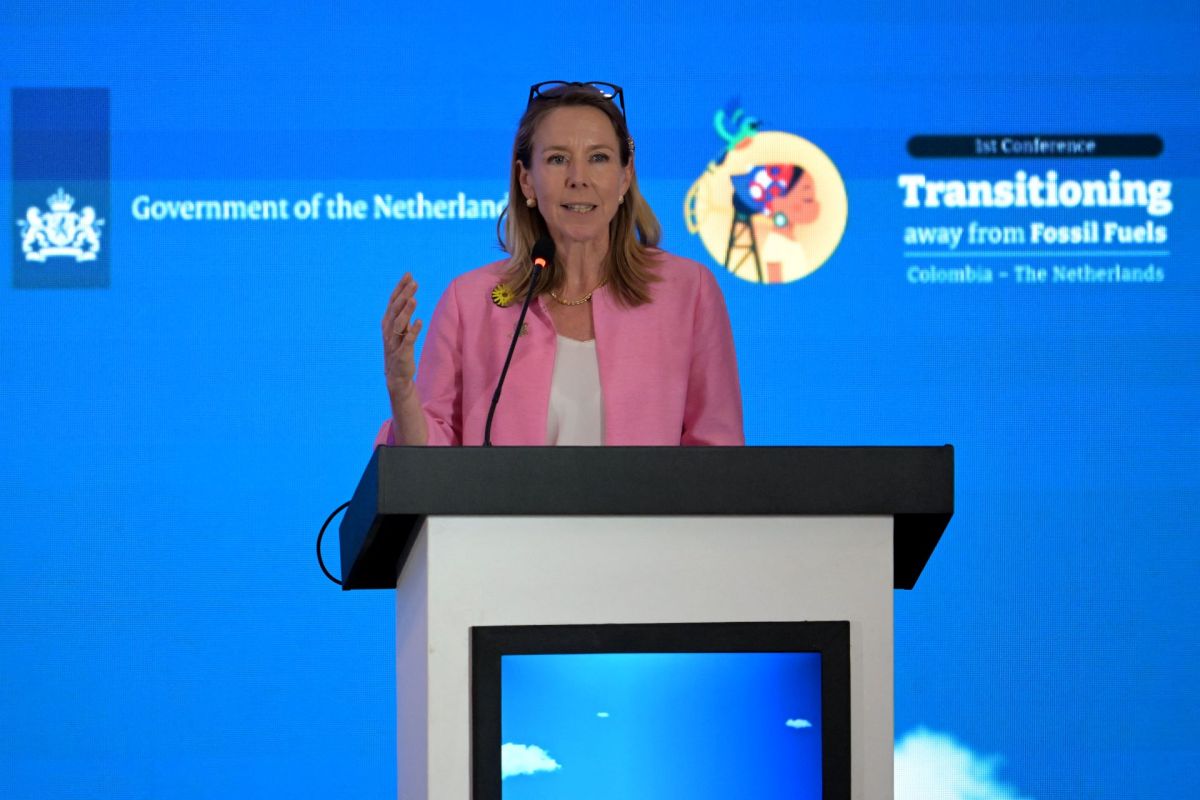
A fresh signal of climate leadership from the Netherlands is offering Europe a hopeful reminder: When global conflict shakes energy markets, the smartest response is not to double down on oil, gas, and coal — it is to move faster toward cleaner, cheaper, homegrown energy.
As Politico reported, Dutch Climate Minister Stientje van Veldhoven argued that the energy shock tied to the war in Iran should bolster, rather than loosen, the European Union's climate commitments.
"I think we have every argument, every reason to make sure that we become less dependent on fossil fuels," Van Veldhoven said in an interview, according to Politico. "The current energy crisis does show us that we have a choice to make. To what extent do we want to remain vulnerable to political choices made elsewhere in the world?"
At a time when some capitals want climate rules relaxed during energy emergencies, the minister's position stands out as a clear-eyed view of the bigger picture: Dependence on coal, gas, and oil is exactly what leaves households and economies so vulnerable in the first place.
That makes this about much more than politics. Over the next year, the EU's climate posture is likely to face a major test as leaders balance short-term pressure against long-term resilience.
The minister's argument is that Europe's most secure path is also its cleanest one — build more renewable energy, electrify more of the economy, and reduce dependence on volatile imported oil and gas.
TCD Picks » Quince Spotlight
💡These best-sellers from Quince deliver affordable, sustainable luxury for all




The less a region relies on oil, gas, and coal traded on global markets, the less families are vulnerable to sudden jumps in heating, electricity, and transportation costs. More wind, solar, battery storage, and efficient electric technologies can help stabilize utility bills over time while also cutting air pollution linked to asthma, heart disease, and other health concerns.
It is also a positive sign for the environment. Keeping climate targets in place means maintaining pressure to cut planet-warming pollution, speed up clean infrastructure, and avoid locking in new oil and gas systems that can take decades to phase out. In other words, the Dutch minister's message suggests that Europe should treat this latest disruption as a warning — and use it to accelerate the transition, rather than delay it.
That logic is becoming more familiar to consumers, too. Whether it is rooftop solar, stronger insulation, or electric appliances, many of the same solutions that improve national energy security can also help households save money.
Just as importantly, strong climate policy gives businesses and utilities a clearer signal to keep investing in clean technology. If the EU avoids watering down its rules each time oil, gas, and coal markets swing, it could make it easier to scale the kinds of projects that create jobs, cut pollution, and make energy systems more reliable.
Van Veldhoven summed up that case clearly: "We have a choice whether we want to invest in making ourselves independent of this kind of dynamic, and that means investing in the transition."

Get TCD's free newsletters for easy tips, smart advice, and a chance to earn $5,000 toward home upgrades. To see more stories like this one, change your Google preferences here.