


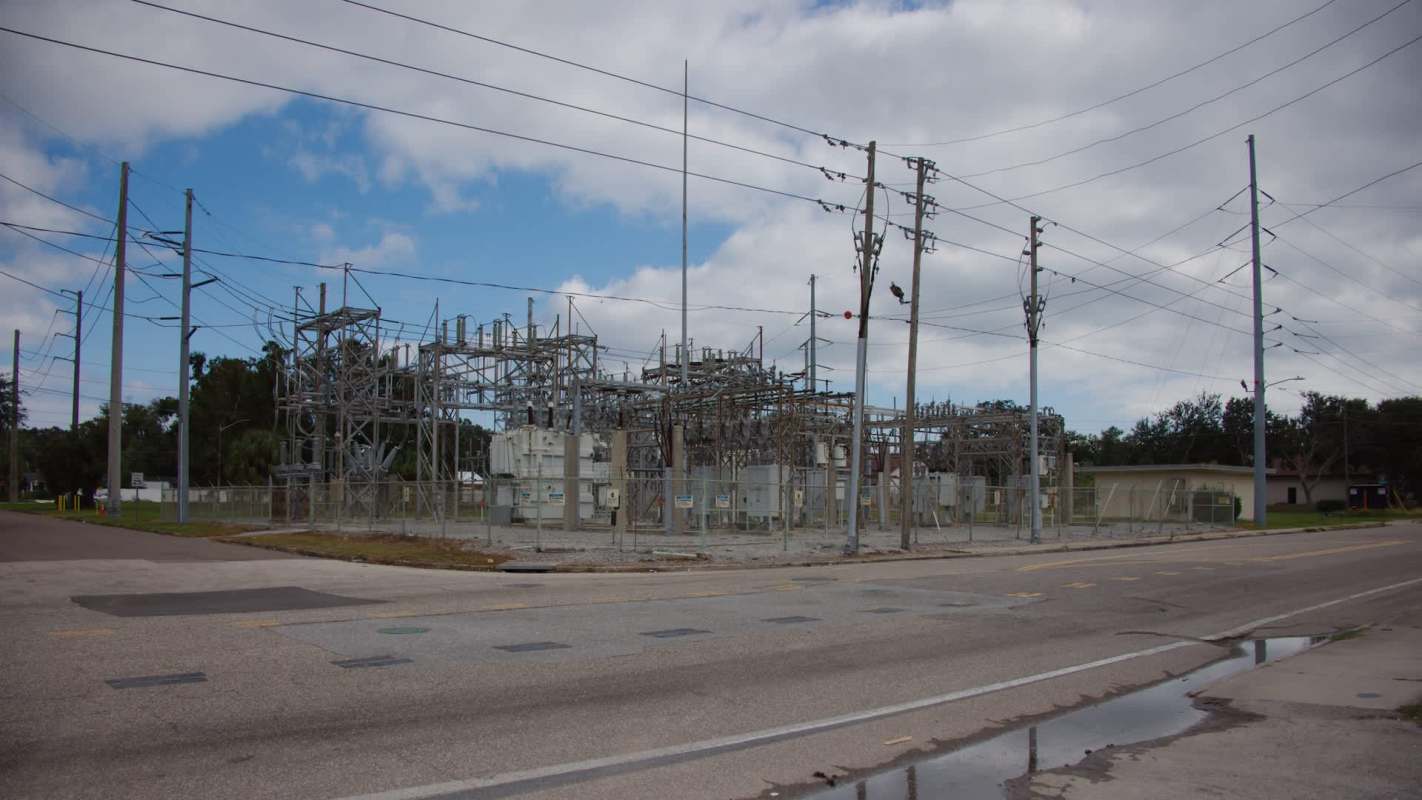
After St. Petersburg's agreement with Duke Energy lapsed on July 31, the utility asked the city to start working on a replacement contract — a decision that could affect residents.
City officials are not moving ahead yet. They are waiting for a study on whether St. Petersburg, Florida, could buy Duke's local power system and handle electric service on its own.
What's happening?
In a letter to Mayor Ken Welch, Duke told the city it wants to start talks on a new agreement and said continuing to operate without one could create legal issues, as Bay News 9 reported.
No negotiations appear to be on the calendar. Instead, the city is waiting for a study that looks at the possible cost of acquiring Duke's local equipment and independently providing electric service.
Since the prior agreement expired on July 31, St. Petersburg has been in a difficult in-between position.
The situation echoes a similar debate that played out in nearby Clearwater. When officials there explored buying Duke's local system, Duke said its equipment wasn't available for purchase, according to Bay News 9. Clearwater ultimately signed a new 30-year agreement with Duke.
TCD Picks » Quince Spotlight
💡These best-sellers from Quince deliver affordable, sustainable luxury for all




Duke has said, according to Bay News 9, that St. Petersburg customers would not see service interrupted.
Why does it matter?
Whoever controls the local electric infrastructure shapes reliability, maintenance, storm recovery, and the costs that can eventually appear on household utility bills.
Utility agreements that last for decades can leave residents with little practical influence over how power service is managed, even if they are dissatisfied with pricing, accountability, or investment decisions.
At the same time, taking over a power system can be costly and complicated. If a utility is unwilling to sell, as Duke indicated in Clearwater, cities may have fewer options than they initially hoped.
In either case, the public can end up bearing the consequences of decisions made by large companies and local governments. In a state where reliable electricity is essential to health, safety, and daily life, uncertainty over who controls the grid affects a basic service.
What's being done?
Officials expect the study to show whether buying Duke's local equipment is financially and legally feasible, and whether city control would offer residents any meaningful benefit.
Duke is pushing for contract discussions to resume quickly. A new agreement could settle the immediate legal uncertainty, but it could also influence how much leverage the city has for years to come.
Calling the situation "concerning," Duke has said it wants negotiations to begin "as soon as possible." Until the city's study is complete, St. Petersburg residents are left waiting to see who will shape their energy future.

Get TCD's free newsletters for easy tips, smart advice, and a chance to earn $5,000 toward home upgrades. To see more stories like this one, change your Google preferences here.






