


Duke Energy, the utility serving customers across North Carolina and South Carolina, has unveiled a sweeping new long-range power plan that could significantly reshape how electricity is generated across the region through 2041.
The utility, which serves customers across North Carolina and South Carolina, said if regulators approve it, the proposal could affect electricity costs, grid reliability, and energy-sector jobs across two of the country's fastest-growing states.
Here's what to know
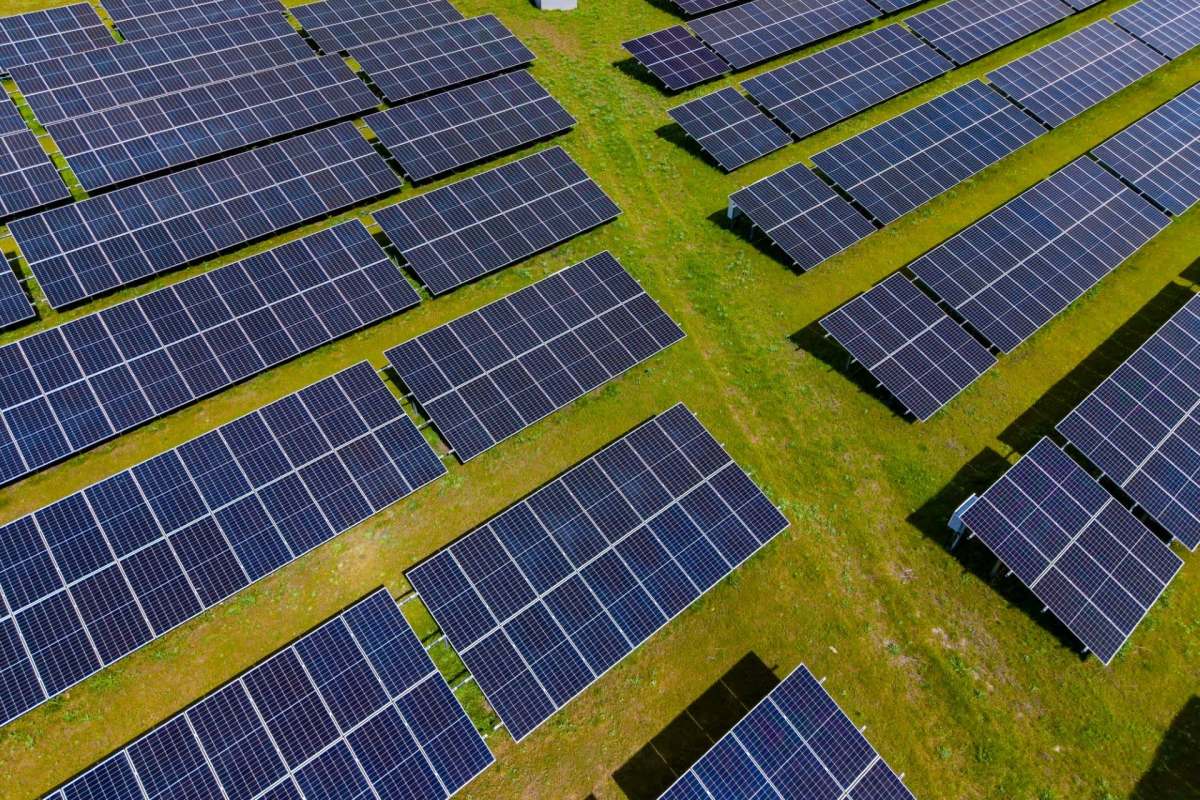
To serve rising electricity demand across its two-state territory, Duke said it wants to add 18.5 gigawatts of solar power, 14 gigawatts of gas-fired generation, 13 gigawatts of storage, and about 4.5 gigawatts of new nuclear capacity through 2041.
The utility laid out that mix in its 2026 Carolinas Resource Plan, which it filed with South Carolina regulators, as Utility Dive reported.
Its base forecast shows winter peak demand rising by more than 10 gigawatts, or roughly 30% overall. Duke said its service area "continues to experience significant growth, with both South Carolina and North Carolina ranking among the fastest-growing states in the nation."
The South Carolina Public Service Commission is expected to take up the filing in April, with a decision due out by June. Within the proposed gas buildout, 8.2 gigawatts would come from combined-cycle units and 5.8 gigawatts from combustion turbines.
TCD Picks » Quince Spotlight
💡These best-sellers from Quince deliver affordable, sustainable luxury for all




More background
One example of that strategy is a 1.4-gigawatt combined-cycle plant in Anderson County, South Carolina, which Duke said it has approval for. It also described gas as a "major near-term reliability resource."
The utility said two of its six nuclear sites, accounting for four of its 11 nuclear units, have already received subsequent renewed operating licenses. It's also seeking licenses that could keep its existing nuclear fleet running for as long as 80 years.
What's being done?
The filing also includes cleaner technologies and grid-management tools. Those include utility-scale solar, standalone batteries, and programs designed to reduce strain on the grid during periods of high demand.
The plan keeps the annual energy-efficiency savings target at a minimum of 1% of its load forecast. Duke said its "grid edge" efforts are a "core execution tool to reduce, shift, and shape demand through energy efficiency, demand-side management, load curtailment, customer programs, and storage demand response."
Energy efficiency and demand response can help households and businesses lower their bills while reducing the need for some costly new generation.
"Solar procurement and construction remain active, including completed facilities, projects under construction, and RFPs for solar and solar paired with storage," Duke said.
"The company is scaling battery storage execution, with storage projects in service, equipment secured, interconnection activity underway, and an RFP for 400 MW of standalone storage in South Carolina."
Where can I learn more?
Duke's proposal comes as utilities face larger questions about how to keep up with growth, maintain reliability, and cut emissions.
• Globally, major utilities are investing more than $100 billion annually in clean energy infrastructure.
• Across developing countries, investors see a solid business case for replacing coal plants with solar.
• Energy markets have been sending a very clear signal that fossil fuel investments remain attractive.
That wider backdrop helps explain why Duke's plan for the Carolinas leans on both cleaner resources and conventional generation. Utility planning is increasingly influenced by broader investment trends alongside local demand forecasts.

Get TCD's free newsletters for easy tips, smart advice, and a chance to earn $5,000 toward home upgrades. To see more stories like this one, change your Google preferences here.






