


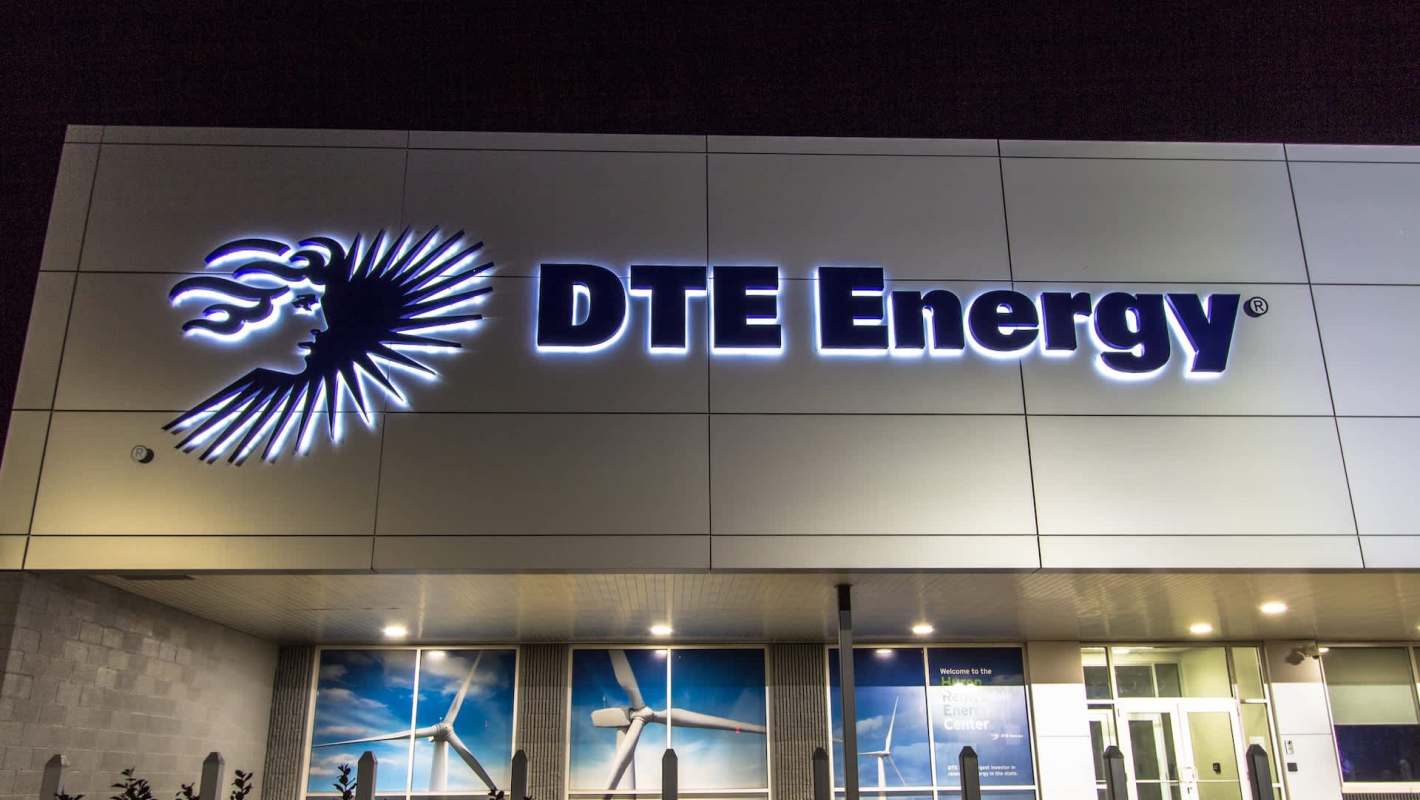
A profitable 2025 did not result in a federal tax bill for DTE Energy.
Michigan Advance reported that the Detroit-based utility made $1.5 billion last year, extended its streak of paying no federal income taxes to 12 years, and is seeking approval for a residential electric rate increase of nearly 10%.
What happened?
Public filings showed that DTE was the only Michigan-based Fortune 500 company with U.S. profits in 2025 that did not owe federal income taxes.
DTE communications director Dan Miner confirmed that the company has gone without paying federal income taxes since 2013.
Miner told the outlet that federal incentives related to infrastructure projects and clean energy investments explained the company's tax position.
"These utility investments generate federal tax benefits that the company passes on to its customers," he said, per Michigan Advance.
TCD Picks » Quince Spotlight
💡These best-sellers from Quince deliver affordable, sustainable luxury for all




Miner also told Michigan Advance that DTE paid more than $450 million in property taxes in 2025.
Separately, DTE is asking for a $474 million increase in electric rates, which would raise residential bills by about 9.7%.
That proposal followed an approved increase from just months earlier, when the Michigan Public Service Commission signed off on a $242 million hike.
"The big winners were the rich and multinationals," University of Michigan law professor and former U.S. Treasury consultant Reuven-Avi Yonah said of Trump administration tax changes, per Michigan Advance.
Why does it matter?
The issue highlights the gap between DTE's earnings and what customers are being asked to pay, as the company seeks higher electric bills while using federal tax breaks to eliminate its federal income tax bill.
The state attorney general's office said MPSC has approved over $1 billion in annual revenue increases for DTE despite ongoing reliability and affordability concerns.
Matthew Gardner, a senior fellow at the Institute on Taxation and Economic Policy, said many states base their tax calculations on the federal system. He said wide-ranging federal tax breaks can therefore reduce state revenue, too, unless states choose to separate their rules from the federal code.
Michigan Advance also cited ITEP figures that showed 316 companies avoided $147 billion in federal income taxes last year, while 88 profitable corporations paid none at all.
In Michigan, DTE stood out because it was profitable in the United States and did not pay federal income taxes.
What's being done?
Gardner said states can "decouple" from parts of the federal tax code so that certain federal breaks do not reduce state tax collections. He added that Michigan has already moved to exclude some federal provisions from its own tax calculations.
DTE's latest rate hike request has to be ruled on by regulators.
The company has said it would wait two years before seeking another increase if the request is approved.
"The IRS just does not have the capacity anymore to keep up and to continue these audits of large corporations," Wayne State University law professor Jennifer Bird-Pollan said, per Michigan Advance.
Bird-Pollan added that tax advantages can be difficult to undo once they are established.
"History suggests that once these things are in place, even if the political winds change and the opposite party is in power, it's very difficult to impossible to undo," she said.

Get TCD's free newsletters for easy tips, smart advice, and a chance to earn $5,000 toward home upgrades. To see more stories like this one, change your Google preferences here.






