


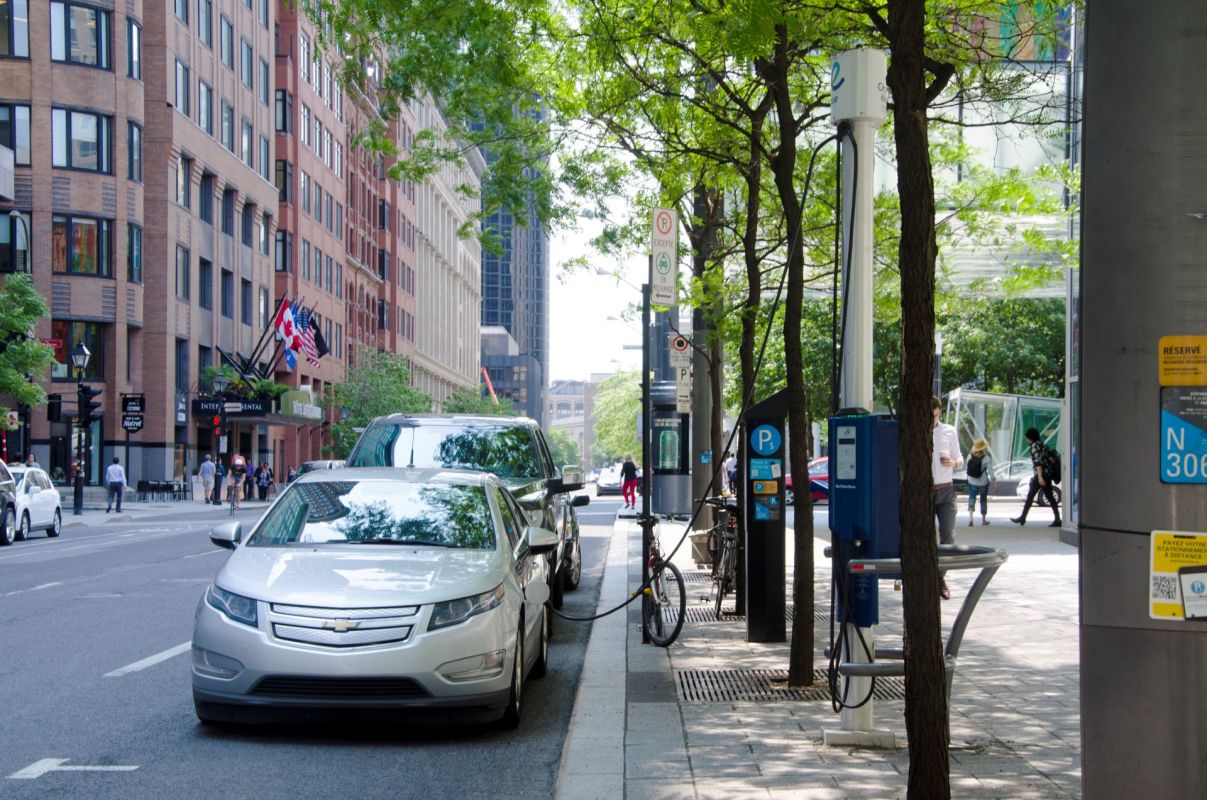
Electric vehicles may be regaining momentum in Canada. After a slow spell, two everyday budget pressures appear to be pushing drivers back toward them: more expensive gasoline and lower purchase prices.
For shoppers trying to shrink what they spend each month on transportation, the mix of high fuel costs and the return of federal rebates is making EVs look like a more workable option.
What happened?
Compared with the same January-to-April stretch in 2025, Canadian EV sales were 20.8% higher in the first four months of 2026, CBC reported. Statistics Canada said monthly sales reached 8,672 in January, 12,547 in February, 21,574 in March, and 17,795 in April.
Ottawa's reinstated purchase incentives are part of what analysts credit for the rebound. The program now knocks as much as $5,000 off a battery-electric vehicle and up to $2,500 off a hybrid, so long as the vehicle is built in Canada or in a country with a free trade agreement with Canada.
J.D. Ney, managing director for J.D. Power Canada, said EVs are drawing serious consideration from more shoppers again. In the company's annual survey, 34% of new-car shoppers said they were somewhat or very likely to pick an EV as their next vehicle, up from 28% a year earlier.
Analysts also point to oil price increases tied to conflict involving Iran.
TCD Picks » Quince Spotlight
💡These best-sellers from Quince deliver affordable, sustainable luxury for all




"I think for the most part, Canadians were just … simply doing the math," Ney said.
Why does it matter?
For many households, transportation costs can shift quickly when gas prices rise. As of Friday afternoon, the national average stood at $1.63 per litre, which was 24.1 cents above last year's average, according to GasBuddy.com. That makes EV ownership more appealing, especially for drivers with long commutes or fuel-hungry trucks and SUVs.
Max Maurice, sales manager at Shift Electric Vehicles in Burlington, Ontario, said shoppers have been direct about what is motivating them.
"People come in, you know, claiming … gas prices as the reason why they're trying to get out of their big Dodge Ram diesel truck that costs them a thousand bucks a month on gas," Maurice said.
Beyond fuel savings, EVs can also reduce routine maintenance costs because they do not need oil changes and generally have fewer moving parts than gas-powered vehicles.
That does not erase common concerns such as range anxiety, cold-weather performance, or charging access, but it can make the total cost of ownership easier for shoppers to justify.
What can I do?
If you want a starting point, TCD has a helpful resource on making your next car an EV.
Charging an EV at home is significantly cheaper than using public chargers.
Installing solar panels can also dramatically increase the savings associated with EV ownership, as charging with your own energy is cheaper than using public charging stations or relying on the grid.
Lower-cost EV options could also broaden access in the future. Ney noted that price has become less of a concern for many buyers, even as some continue to watch for more affordable models entering the Canadian market.
"There are some real … barriers to EV adoption at the moment that do need to be sorted out," Ney said. "But I think we're certainly on a better path than we were, say, 12 months ago."
Maurice said some buyers simply want to "future-proof their wallet."

Get TCD's free newsletters for easy tips, smart advice, and a chance to earn $5,000 toward home upgrades. To see more stories like this one, change your Google preferences here.






