


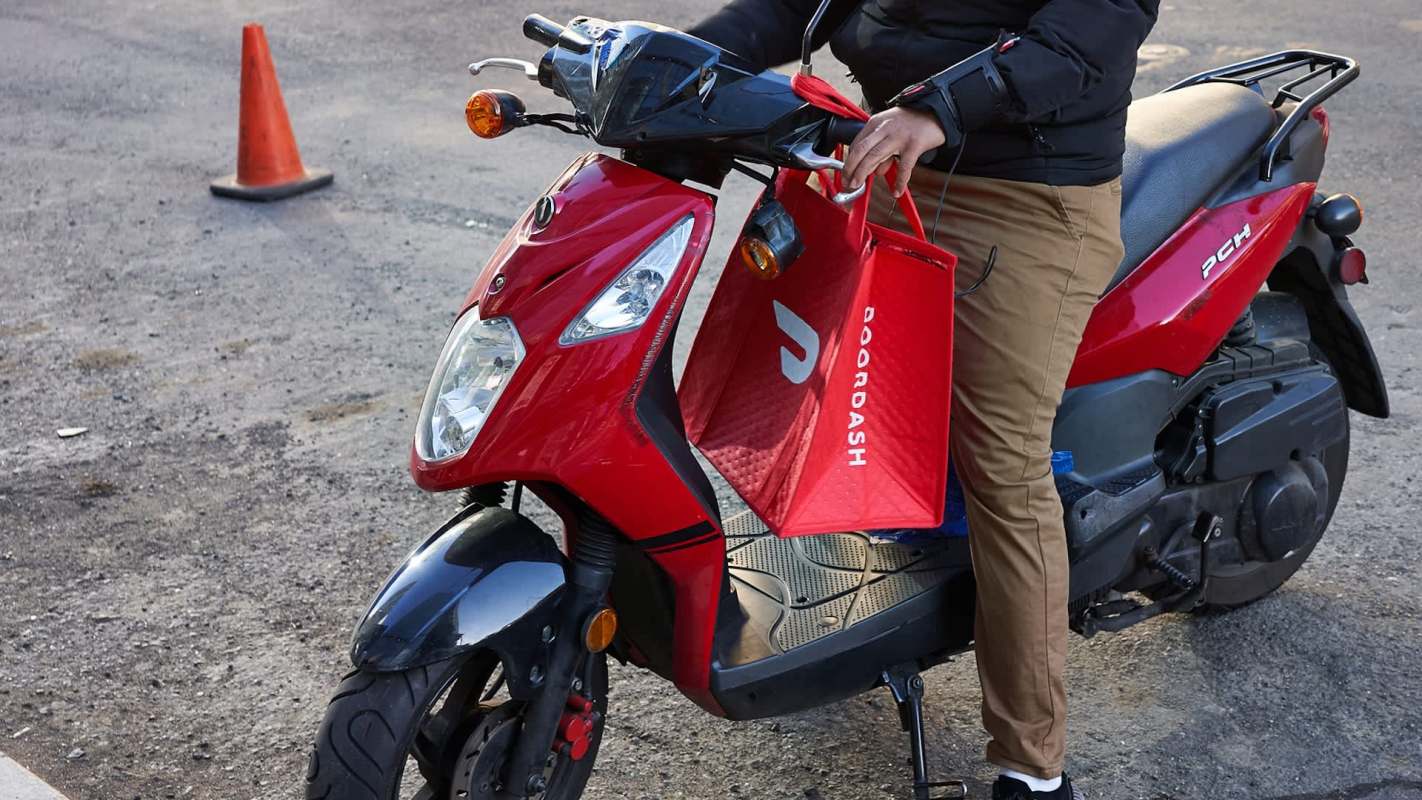
A New York City case over delivery pay is ending with DoorDash agreeing to pay $131.5 million, after officials said the company failed to fully compensate hundreds of thousands of workers.
The outcome also highlights how payment mistakes at large platforms can fall hardest on the people doing the work.
Mayor Zohran Mamdani said most of the settlement funds will go back to more than 260,000 delivery workers, and that DoorDash will also be subject to a compliance monitor, according to ABC News.
Here's what to know
Officials say the deal closes out allegations that some DoorDash couriers in New York City were underpaid, some were not paid at all, and some received their earnings late. City Hall said it is the biggest worker settlement the city has ever reached, and that about $16 million of the total will go toward civil penalties and other city costs.
"Simply put, we screwed up," DoorDash said.
The company said the mistakes were not intentional, but added, "Dashers should be paid in full, on time, every time."
TCD Picks » Quince Spotlight
💡These best-sellers from Quince deliver affordable, sustainable luxury for all




According to DoorDash, the payment problems often traced back to "technical bugs or happened in complicated situations," such as trips that crossed city boundaries, involved multiple pickup or drop-off locations, or were canceled or only partially completed.
Missing or delayed earnings can quickly affect grocery budgets, transit costs, phone bills, and rent.
More background
The case stands out in part because delivery apps have become embedded in customers' everyday lives, while the workers fulfilling those orders often shoulder much of the financial burden themselves. Couriers may be paying for gas, bike repairs, car maintenance, and data plans out of pocket.
When a platform miscalculates wages, even because of software errors, a worker can end up waiting on money already earned.
DoorDash also agreed to pay nearly $17 million in a separate New York matter involving worker compensation. That case centered on allegations that customer tips were used to offset guaranteed earnings instead of being added on top of what drivers were promised.
The cases show how complicated app-based pay systems can obscure irresponsible business practices in plain sight, even as customers may assume service fees and tips are reaching workers as intended.
What's being done?
As part of the agreement, DoorDash must submit to a new monitoring system intended to ensure the company complies with New York City delivery worker pay laws in the future.
Monitoring can help identify recurring errors more quickly, particularly in systems that rely on automated calculations, location tracking, and platform rules that workers cannot easily verify on their own.
"When a worker earns a wage, they deserve to be paid that wage – not tomorrow, not after a lawsuit, but on time and in full. DoorDash underpaid more than 260,000 workers, and today we are getting that money back," Mamdani described.
Where can I learn more?
These stories also cover corporate accountability and the real-world effects of business decisions. They look at DoorDash's packaging partnership in Australia, coal miners' health-benefit concerns, a Baltimore pollution lawsuit, and two New York City compost enforcement efforts.
• In Australia, DoorDash expanded sustainable food delivery packaging through a partnership with BioPak.
• Coal miners with black lung say their future remains uncertain as healthcare changes loom.
• Baltimore officials say major companies must be held accountable for plastic-related environmental damage.
• In New York City, buildings now face mandatory curbside program fines for skipping compost participation.
• Queens is building the country's largest curbside composting program as citywide rules expand.

Get TCD's free newsletters for easy tips, smart advice, and a chance to earn $5,000 toward home upgrades. To see more stories like this one, change your Google preferences here.






