


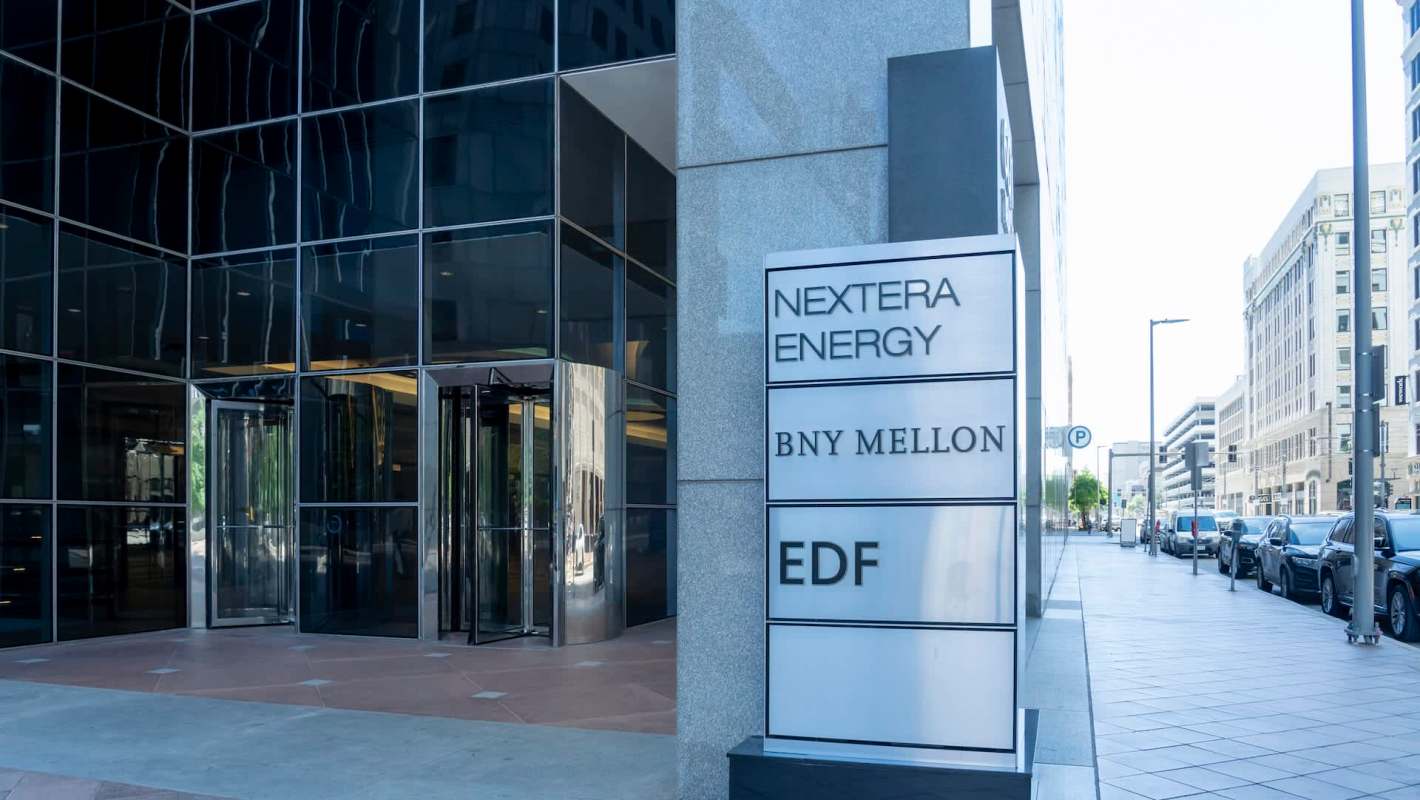
Dominion Energy is asking Virginia regulators to approve a massive utility merger that could reshape electric service for millions of people, raising fresh questions about whether a bigger company would really mean savings for customers.
The proposed $66.8 billion deal with NextEra Energy is being framed by the companies as a way to help customers through greater scale and lower costs, but critics say households could end up paying the price if regulators do not closely examine the companies' rate-setting power and track records.
What's happening?
The proposal moved into several regulatory channels Wednesday. Along with asking Virginia's State Corporation Commission to sign off on its merger with Florida-based NextEra Energy, Dominion submitted related applications in North Carolina and South Carolina and to federal regulators, per Virginia Business.
Approval of the merger would produce the world's largest regulated electric utility business, covering about 10 million customer accounts in Florida, Virginia, and the Carolinas.
In Virginia, regulators have six months to review the transaction, and that process includes a public hearing. Dominion serves about 3.6 million residential and commercial customers across Virginia and the Carolinas.
To support the merger, Dominion and NextEra say a larger combined company could cut costs through economies of scale and pass savings on to ratepayers. As part of that argument, they have proposed $2.25 billion in bill credits for Dominion customers in Virginia and the Carolinas during the first two years after the merger closes.
TCD Picks » Quince Spotlight
💡These best-sellers from Quince deliver affordable, sustainable luxury for all




Spread across customers, that proposal amounts to roughly $10 per account per month, but any credits would still have to be approved by regulators rather than the companies.
Why does it matter?
Utility mergers can have broad consequences because electricity is not a service most people can simply shop around for. If rates rise, families often have little choice but to absorb the higher monthly costs.
Opponents are looking beyond the promise of bill credits and focusing on what could happen after the merger is complete. Temporary savings may offer little protection against larger rate increases once the merger is done.
Questions about NextEra's record have already been raised by public officials and advocacy groups. Clean Virginia highlighted an approximately $6.9 billion Florida rate increase sought by NextEra subsidiary Florida Power & Light, which opponents called the biggest such hike in U.S. history.
Virginia Lt. Gov. Ghazala Hashmi has pressed SCC commissioners for more answers, sending a letter that asks regulators to require Dominion and NextEra to respond to 64 questions.
The resistance reflects a broader concern that a larger utility could gain even greater influence over prices that affect millions of households.
What's being done?
The State Corporation Commission's review in Virginia is expected to unfold over the next six months. Before any final decision is made, residents and advocates will have a chance to weigh in at a public hearing.
Virginia is not the only place where the deal is under review. Regulators in North Carolina and South Carolina, along with federal agencies such as the Federal Energy Regulatory Commission and the Nuclear Regulatory Commission, are also examining the proposal, a process that could force the companies to address concerns about rates, oversight, and customer impacts.
Hearings or public comment periods are often among the few opportunities residents have to challenge corporate claims about promised savings.
One-time credits could be used to sell a deal that later makes electricity more expensive.
Virginia regulators now face a high-stakes decision: weighing a promised $10-a-month credit against concerns about future rate hikes and growing corporate power. For millions of customers who rely on Dominion for electricity, the outcome could shape not only their bills but also the extent of their say when costs rise.

Get TCD's free newsletters for easy tips, smart advice, and a chance to earn $5,000 toward home upgrades. To see more stories like this one, change your Google preferences here.






