


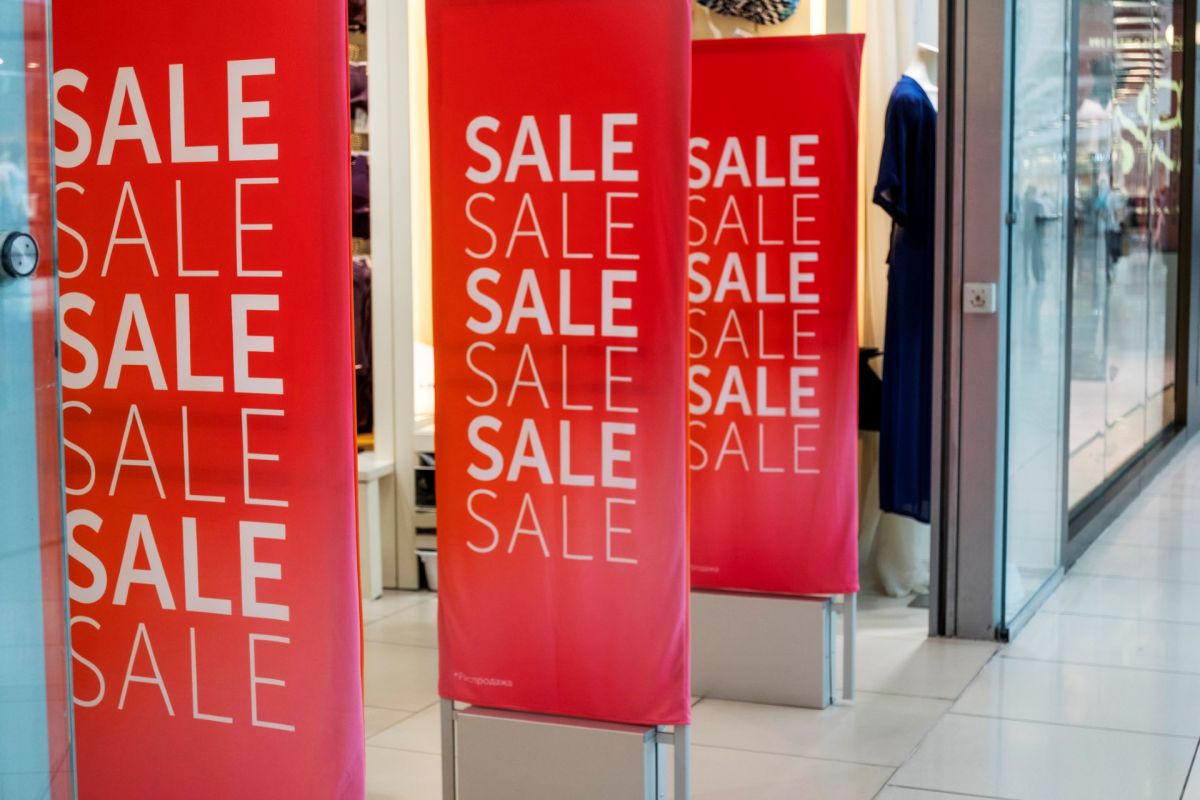
A sale tag can make you feel like you found a hidden gem of savings, and if you don't buy now, the opportunity can pass you by, but is it still savings if you never intended to buy the item in the first place?
What's happening?
In a Reddit post on the r/Anticonsumption thread, a poster wrote: "A discount isn't saving money if I never needed the item."
Retailers often rely on urgency to make a deal feel valuable by itself. Flash sales, "limited-time" promotions, and app-only discounts can all create the sense that shoppers are missing out, even when the item was never in their budget or part of any original plan.
The comments focused on creating personal rules instead of all-out deprivation. People described sticking to shopping lists, deciding ahead of time what counts as a need, and not letting a markdown become the reason for an extra purchase.\
It also helps to have a running list for items needed during the year. A winter sale on swimwear is not a waste as long as you actually need new swimwear next summer.
The conversation came back to a simple distinction: lower cost does not create necessity. When the interest in buying starts with the promotion rather than a real need, the idea of "saving" money may be mostly theoretical.
TCD Picks » Quince Spotlight
💡These best-sellers from Quince deliver affordable, sustainable luxury for all




Why does it matter?
Small impulse purchases can quietly drain a household budget. When someone skips an unnecessary item, they are keeping the money they would have spent and can use that for items that they actually need.
Thinking that way can also reduce the pull of scarcity-based marketing. When stores stress that a deal is about to vanish, that pressure can crowd out more practical questions, such as whether the item will be used, stored, maintained, or eventually thrown away.
Buying only what is needed can leave more room in the budget for groceries, bills, debt payments, or planned purchases that genuinely improve daily life.
Less stuff entering the home often means less waste later. When people avoid buying things they never truly needed, they reduce the odds that those items will end up polluting the earth in a landfill.
What can I do?
A helpful first step is to evaluate the item separately from the sale. Ask whether you meant to buy it before seeing the promotion, or whether the discount is what created the urge.
Shoppers can also build in a pause before making a purchase. Waiting even a day can make it easier to tell whether the item solves a real problem or just feels urgent because of countdown timers, red banners, and "last chance" language.
If something truly is needed, buying it on sale can be a win, but the need should come first. As the original poster put it, "A discount isn't saving money if I never needed the item."

Get TCD's free newsletters for easy tips, smart advice, and a chance to earn $5,000 toward home upgrades. To see more stories like this one, change your Google preferences here.







