


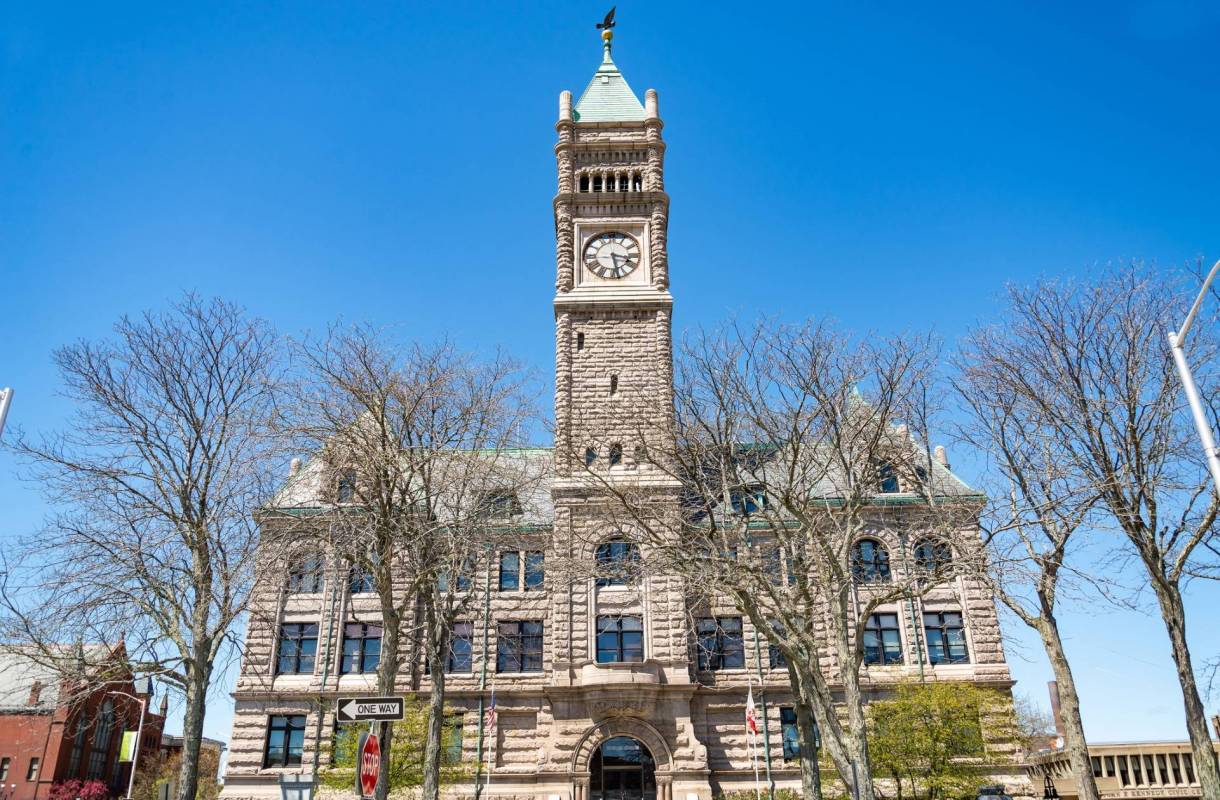
A legal fight over data center growth in Lowell, Massachusetts, may be ending almost as quickly as it began.
Markley Lowell LLC and Tanner Street Investco LLC, two companies owned by Markley CEO Jeff Markley, sued the city over a temporary ban on new and expanded data centers but now say both sides have agreed to dismiss the case.
What happened?
The dispute traces back to a March 10 City Council vote that unanimously imposed a 360-day pause on new data centers and on expansions of existing facilities.
In Middlesex North Land Court, where the complaint was filed on April 13, the companies asked to keep development moving at their Lowell sites in the Sacred Heart area and the Ayer's City industrial zone, as The Lowell Sun reported.
Their argument was that the projects should not have been halted because Approval Not Required, or ANR, plans had been filed several days before the moratorium vote. They said those filings required neither variances nor waivers.
Markley Group said it is New England's largest and longest-running telecommunications and data center developer. Even so, the company has not publicly outlined its plans for the Lowell locations, while affiliates have reportedly purchased several nearby residential properties and added a large stone wall along parts of the facility's borders.
TCD Picks » Quince Spotlight
💡These best-sellers from Quince deliver affordable, sustainable luxury for all




Why does it matter?
Data centers sit at the center of land use debates, infrastructure demands, housing pressure, and the growing appetite for artificial intelligence services. Residents and local officials often want more information about a project's scale, traffic, power use, noise, and long-term effects.
While AI tools can bring benefits, the servers powering those systems can also consume large amounts of electricity and water, and they raise concerns about higher utility costs.
A temporary moratorium can give officials time to review zoning rules and infrastructure capacity before more projects move forward.
What's being done?
Jeff Markley said the lawsuit was an "administrative matter," adding that Lowell and Markley Lowell were prepared to dismiss it.
The moratorium remains in place while the city evaluates what kinds of development it wants to allow and under what conditions. Temporary pauses can give municipalities time to review permitting rules, utility needs, and neighborhood concerns before approving projects.

Get TCD's free newsletters for easy tips, smart advice, and a chance to earn $5,000 toward home upgrades. To see more stories like this one, change your Google preferences here.






