


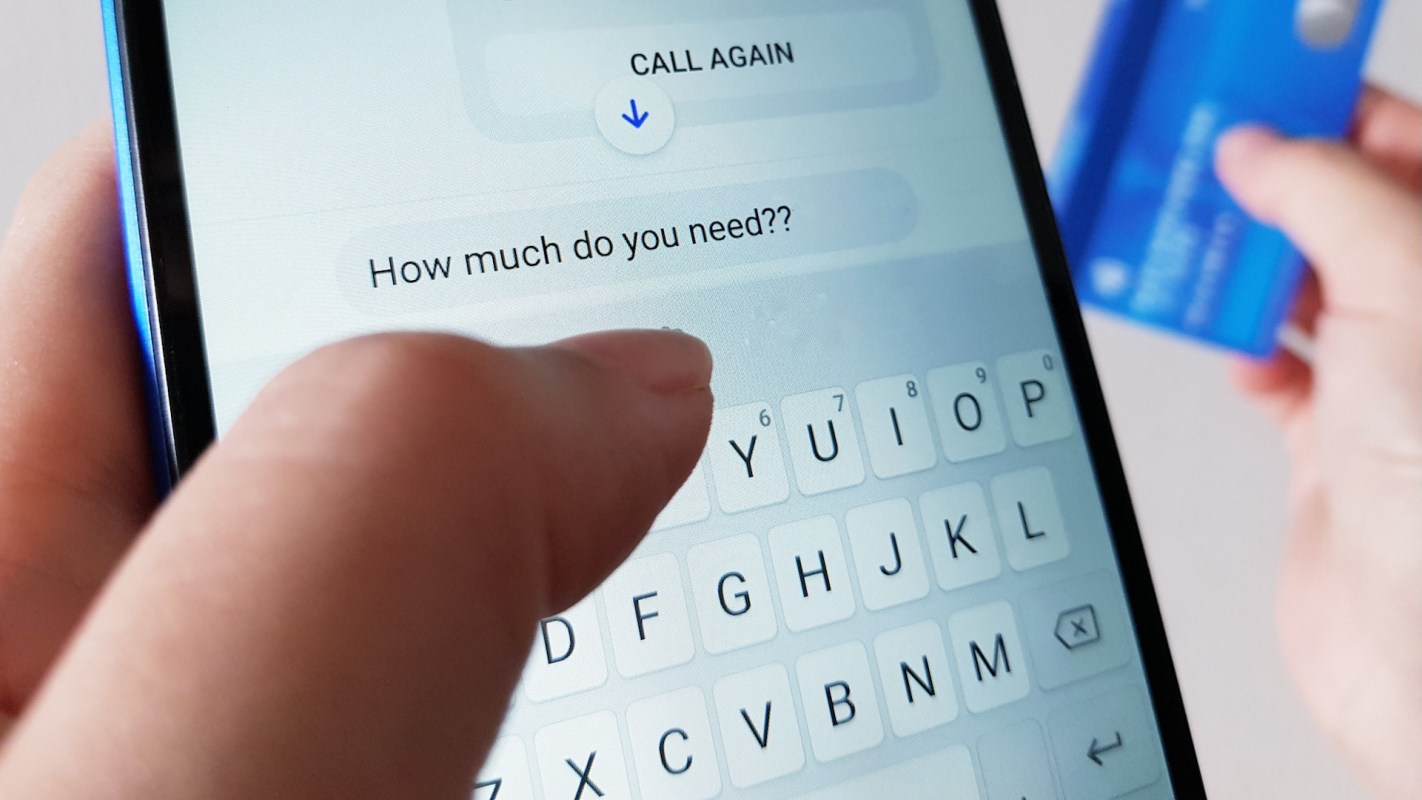
A Delaware man who had been an AT&T customer for more than 50 years shipped four $1,200 iPhones to scammers after receiving what appeared to be a loyalty offer from the company.
Here's what to know
For David Miller, a New Castle resident, seeing AT&T on his caller ID helped make the offer seem legitimate.
According to CBS News Philadelphia, Miller received an offer of four new iPhones and reduced monthly charges from someone claiming to be an AT&T loyalty representative.
Miller brought four newly purchased iPhone Pro Max devices home for activation, following the caller's instructions.
A caller posing as an AT&T IT employee supplied a prepaid shipping label and promised replacement phones, citing an activation problem. He had contacted Miller through FaceTime and asked to see the backs of the boxes.
Miller recalled feeling suspicious when the caller told him not to mention the loyalty offer to store employees.
TCD Picks » Quince Spotlight
💡These best-sellers from Quince deliver affordable, sustainable luxury for all




Miller concluded he had likely been scammed when no replacement phones arrived. By then, he had been receiving calls for a week, sometimes several times a day.
More background
Miller faced $5,128 in charges. His initial bill would have exceeded $900 even though he no longer had the phones.
He said he was initially held responsible for the charges because he had authorized the purchases. His efforts to get help included notifying AT&T's fraud department, filing reports with UPS and police, and contacting consumer protection agencies.
"I was devastated," Miller said, according to CBS News Philadelphia. "... Every time the phone rang, it said AT&T. That is what convinced me."
The Federal Trade Commission puts annual losses from impersonation schemes in the billions of dollars and ranks them among the most commonly reported frauds nationwide.
CBS News Philadelphia had covered a similar case involving scammers posing as Comcast and Xfinity employees.
What can be done?
Miller contacted CBS News Philadelphia, which reviewed his case and reached out to AT&T. He said a representative from the company's Office of the President and Consumer Affairs called.
"We take account security very seriously and worked with the customer to resolve the matter to his satisfaction," AT&T said in a statement.
AT&T warns customers to be cautious about unsolicited offers of free upgrades and requests involving passcodes, account changes, purchases, or device shipments.
CBS News Philadelphia reported that customers can check suspicious requests in the myAT&T app or on the company's website or by calling 611 from their AT&T wireless phone.
Consumer advocates also recommend hanging up and calling a number found on an official website, billing document, or account statement rather than trusting an incoming caller ID.
"If it sounds too good to be true, it probably is," Miller said. "And secondly, if you can't take time, a day or so to think something over, and somebody's rushing you, probably not a good idea."
Where can I learn more?
• Scammers used AMEX and FBI caller IDs to lend credibility to a firearms fraud scheme.
• In Canada, a TD Bank customer lost $9,800 to scammers using spoofed calls and was denied reimbursement.
• A North Carolina woman lost $2,000 to scammers after a caller impersonated a deputy over jury duty.

Get TCD's free newsletters for easy tips, smart advice, and a chance to earn $5,000 toward home upgrades. To see more stories like this one, change your Google preferences here.
Cool Picks






