


Virginia's booming data center buildout has intensified a fight over who should fund the power infrastructure needed to support it.
For households, the answer could show up as higher monthly electric bills.
Gov. Abigail Spanberger says data centers should cover the backbone infrastructure and transmission their growth requires.
Here's what to know
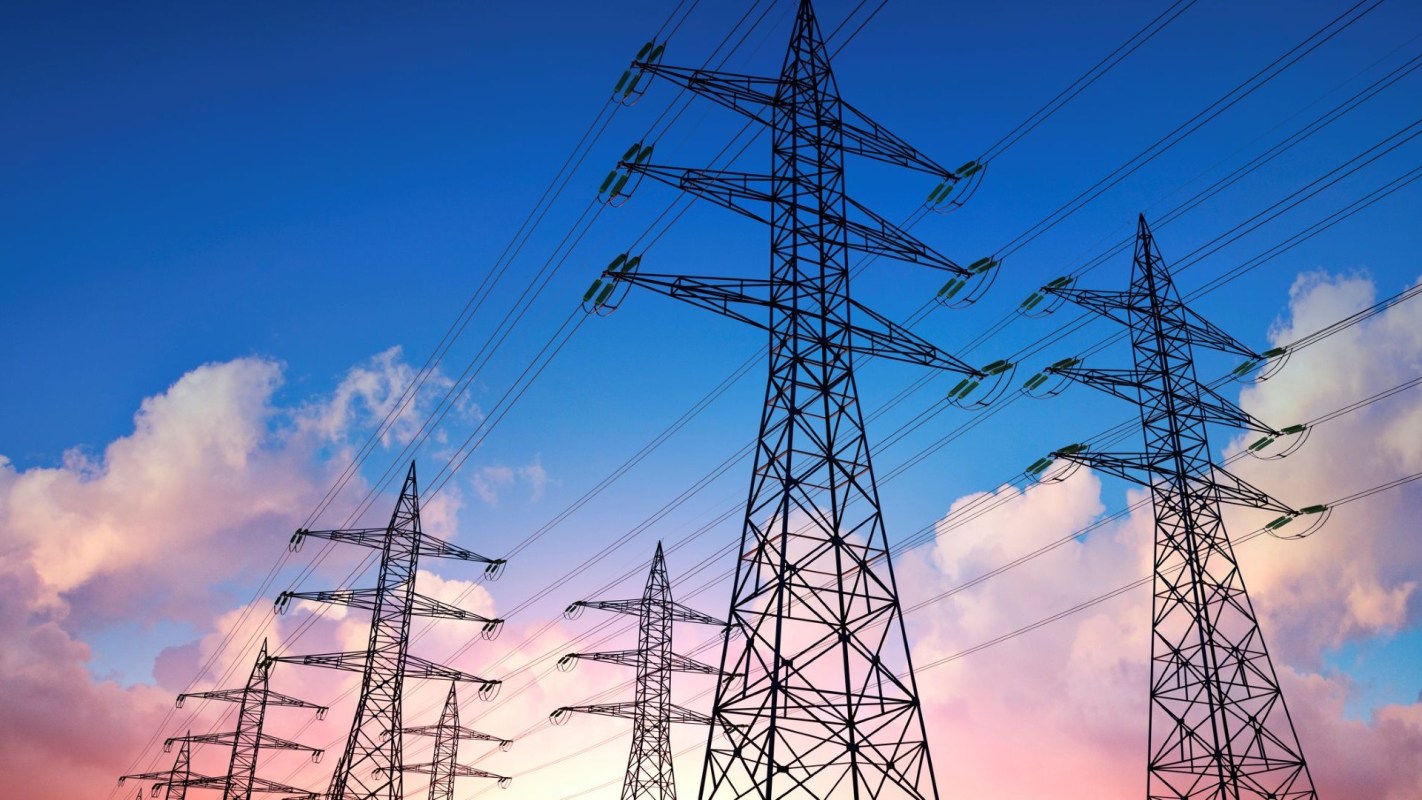
As 7News reported, Dominion Energy set up Valley Link to pursue two 765-kilovolt transmission lines spanning nearly 400 miles, a proposal that was supposed to meet rising electricity demand tied largely to data centers.
The Joshua Falls-to-Yeat segment could run through as many as eight counties, including Culpeper and Orange. The Valley North piece, meanwhile, would cross Clarke, Frederick, and Loudoun counties and extend into West Virginia and Maryland.
The lines would operate at the highest voltage permitted in North America, and their routes could cut through farmland and pass near hundreds of homes, per 7News.
TCD Picks » Quince Spotlight
💡These best-sellers from Quince deliver affordable, sustainable luxury for all




Savannah Wilson, a Clean Virginia energy policy analyst, said that the State Corporation Commission does not require data centers to absorb the costs of large transmission projects.
"So the cost of this line is still being shared among all customers," Wilson told 7News. "We're all still paying for these really big transmission projects that are largely being driven by the data center industry."
Spanberger expressed the same general view, saying data centers should pay for the infrastructure they drive and noting she wanted to look closely at how Valley Link's costs are divided.
More background
A central issue in the dispute is how different kinds of grid upgrades are categorized.
Dominion said that the SCC's ruling applies only to "direct connect" facilities, meaning the substations and lines used to link a large customer such as a data center to the grid.
The company argued Valley Link belongs to the bulk transmission system, which provides wider reliability benefits and should not be treated like a single-customer connection.
In a statement, the utility said PJM selected the Joshua Falls-to-Yeat project through its regional transmission planning process to address "significant projected growth in electricity demand."
It also defended the scale of the project.
"Right now, the backbone of Virginia's system is a 500-kV backbone," the company stated on its website, per 7News. "We are introducing the 765-kV line to be part of the new backbone of Virginia because we have so much load on our system. A 765-kV line is the equivalent of three 500-kV lines."
For opponents, the concerns go beyond land use and extend to who will pay.
Dominion is seeking permission from regulators to recover $922 million in fuel costs through a proposed $8 monthly bill increase over seven to 10 years — and that's on top of another $8 monthly increase it had announced.
What's being done?
Regulators have taken one step by making data centers pay more of the transmission costs tied to projects that directly connect them to the grid.
The Valley Link fight, however, shows that large regional transmission projects may still occupy a gray area.
Spanberger said that she supports having data centers pay for backbone infrastructure, but she did not say she would step in to stop the proposed lines.
She also said that she would not impose a statewide pause on new data center growth and would leave approval decisions to local governments, as 7News reported.
That leaves county officials and residents to continue playing a major role in deciding if and how new projects move ahead.
As Virginia's electricity demand keeps climbing, the question of who finances new grid construction could shape power costs for years.
"Data centers should pay for the backbone, the infrastructure, the transmission that they require," Spanberger said.

Get TCD's free newsletters for easy tips, smart advice, and a chance to earn $5,000 toward home upgrades. To see more stories like this one, change your Google preferences here.






