


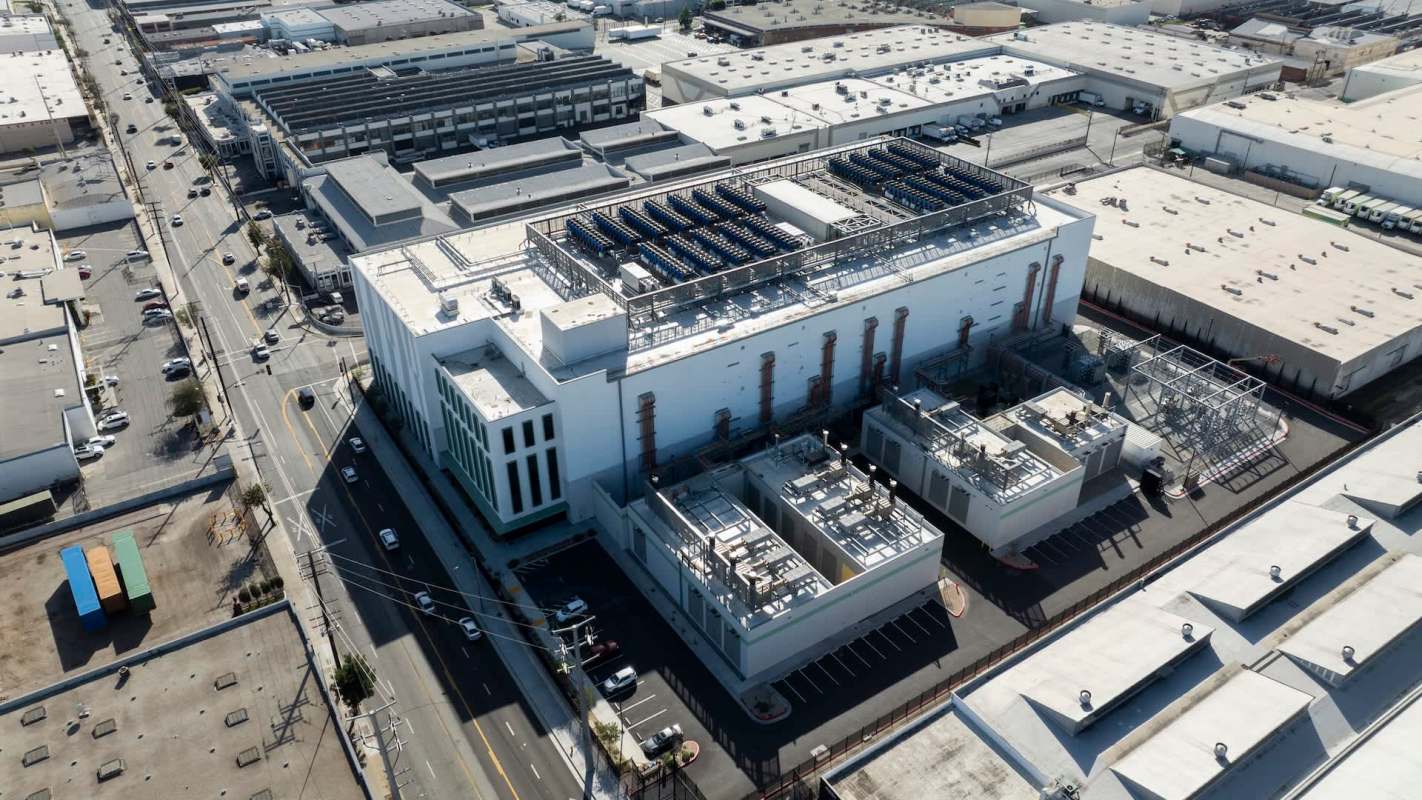
Utah exempts data centers from certain sales taxes, yet the state cannot quantify the revenue those breaks are subtracting from public coffers.
With AI spurring a new wave of large-facility construction, that lack of accounting is getting fresh attention from residents questioning who ultimately pays for the infrastructure behind the technology.
Here's what to know
According to an investigation from The Utah Investigative Journalism Project, published by Utah News Dispatch, Utah no longer gathers the data required to put a real price tag on its data-center sales tax exemptions.
The state lost that visibility after a 2009 legislative change removed a reporting rule for certain state and local sales tax exemptions used by businesses, individuals, and nonprofits. Utah State Tax Commission Deputy Executive Director Jason Gardner said the filings were uneven even before then.
A Good Jobs First report says states that do disclose these costs showed revenue losses ranging from $830,000 to $1.9 billion in 2025.
Rep. Jill Koford, a Republican from Ogden, said the state should examine the issue more closely. "The scale and rapid growth of data-center investment raise legitimate questions about whether our current framework, and the data available to evaluate it, remain adequate," said Koford.
TCD Picks » Quince Spotlight
💡These best-sellers from Quince deliver affordable, sustainable luxury for all




More background
The findings land amid widening national concern about how data centers use electricity, land, and water. Utah lawmakers in 2026 required more transparency around water consumption, but the tax side is still murky.
Kasia Tarczynska, an analyst who authored the Good Jobs First report, said many of these tax provisions were designed for an industry that was far smaller than it is now. "This program did not change at all, but the industry has changed to the point that it's a very, very different industry," she said.
As AI and the energy grid become more closely linked, AI tools can help utilities forecast power demand, reduce waste, and better integrate clean energy resources. But the massive facilities training and running those systems can also consume enormous amounts of electricity and water.
That dynamic has fueled concerns about grid strain, higher utility costs, security risks, and other unintended social impacts, even as the technology offers real advantages.
What's being done?
A few states have already started rethinking the subsidies. Governors in Nebraska, Ohio, Illinois, and Massachusetts have all paused data-center tax incentives as skepticism grows over whether the breaks still make sense.
In Tarczynska's view, lawmakers should actively reevaluate these programs as the AI-era industry expands, not let them continue by default. She said updated subsidy policy should come with tougher reporting standards and more explicit obligations for companies.
Business advocates contest the idea that exemptions are marginal. Khara Boender, a spokesperson for the Data Center Coalition, cited Virginia, where a 2019 review found most data center investment would not have happened without exemptions. She also said, "This policy acknowledges the capital-intensive nature of data center investments and aligns data center tax treatment with that of manufacturing equipment, which enjoys similar exemptions in 41 states."
Koford said the 2009 discussion was aimed at different industries: "The focus at the time was traditional manufacturing and semiconductor-related equipment exemptions; modern hyperscale AI data centers were not contemplated in that discussion."
Where can I learn more?
Utah's debate over data-center tax breaks is part of a much wider argument about who ends up paying for AI infrastructure. Around the country, lawmakers are scaling back incentives, utilities are warning about pressure on ratepayers, and residents are raising alarms over water and electricity use.
• New Jersey moved to cut data center tax breaks and reroute money toward power relief.
• Maryland homeowners could pay $1.6 billion more on bills to subsidize AI data centers.
• In Texas, residents warned hyperscale campuses could drain water and drive up power costs.
These fights help explain why Utah's blind spot matters beyond one line in the tax code. When subsidies, utility bills, and resource demands all rise at once, the public price tag gets a lot harder to dismiss.

Get TCD's free newsletters for easy tips, smart advice, and a chance to earn $5,000 toward home upgrades. To see more stories like this one, change your Google preferences here.






