


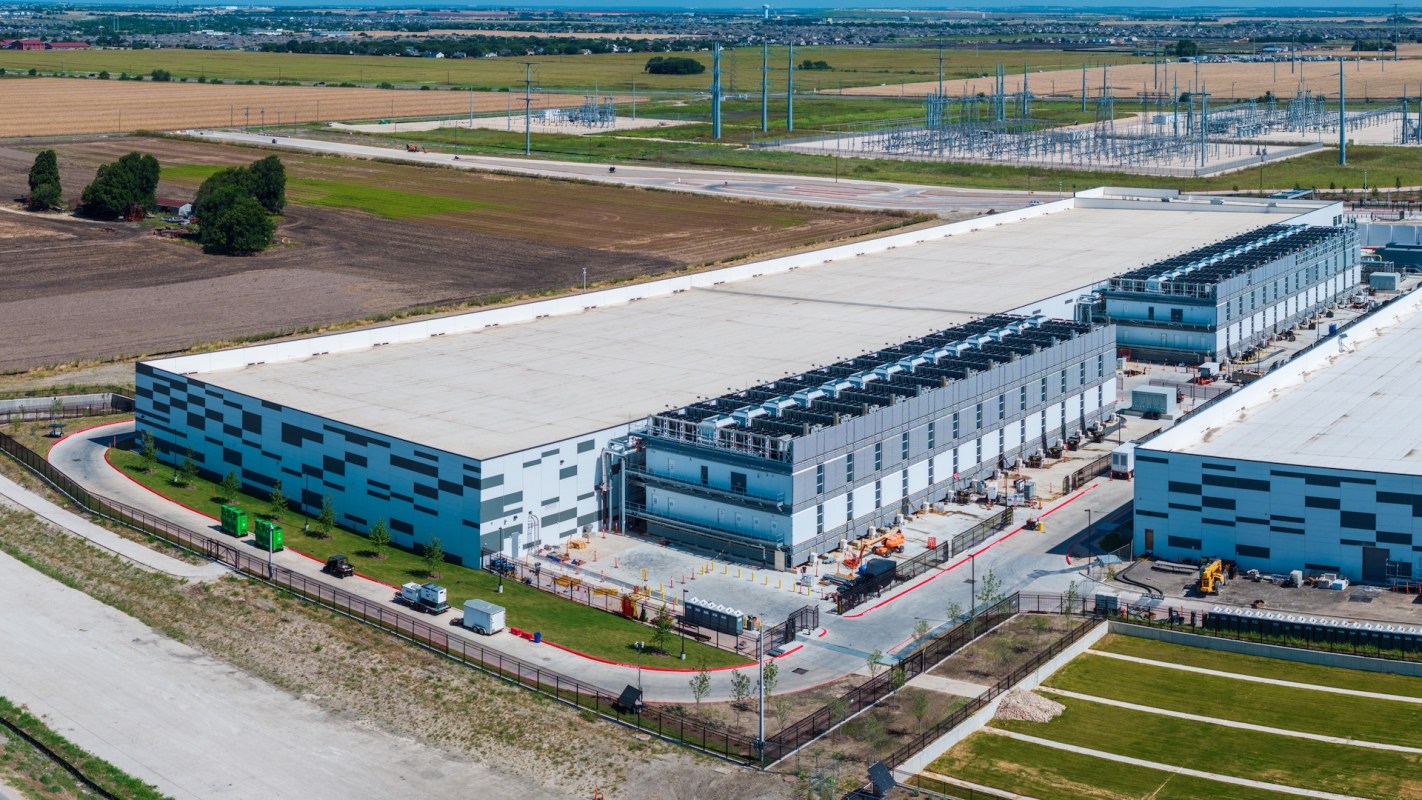
A packed and at times tense crowd gathered in Wichita Falls for a public debate over the spread of data centers in Texas.
Residents expressed significant concerns over what data centers could mean for power, water, and the local way of life.
Here's what to know
The advocacy group Texans United Against Data Centers organized the event, inviting candidates for public office to participate in a panel discussion, according to Times Record News.
The concerns voiced by residents are becoming more common across Texas and beyond as data centers expand to support cloud computing, cryptocurrency operations, and, especially, artificial intelligence tools.
While these facilities can bring jobs, tax revenue, and digital infrastructure, they also raise questions about land use, electricity prices, water consumption, and noise pollution.
The issue of data center expansion is especially complicated because the same AI systems driving electricity demand could potentially offer benefits over the long term. AI can help utilities balance electricity demand, improve battery performance, forecast renewable power output, and make clean energy systems more efficient.
TCD Picks » Quince Spotlight
💡These best-sellers from Quince deliver affordable, sustainable luxury for all




At the same time, training and running AI models can require enormous amounts of electricity and water while also creating risks tied to cybersecurity, misinformation, and higher energy bills.
More background
Texas has become a flashpoint in the data-center debate because of its abundant land, business-friendly development climate, and relatively unregulated electricity market, which has already faced intense scrutiny over reliability during extreme weather.
When a large data center is proposed, concerns often extend well beyond the project site. Residents may worry about whether the increase in electricity usage will require the construction of new transmission lines, whether water demand will compete with other community needs, and whether local governments have enough leverage to require transparency from data-center developers.
With so much at stake, public meetings on the issue can become heated.
Texans United Against Data Centers said on its Facebook page that its mission is to "educate individual Texans about data centers," signaling a broader push to make an industry once discussed mainly in corporate and policy circles more understandable to the public.
What's being done?
At the community level, forums like the TUADC panel allow residents to question candidates and press for clearer commitments on zoning, utility planning, and resource protections before projects move forward.
Greater transparency can help communities weigh promised economic benefits against potential environmental and household costs, giving constituents and their elected representatives the ability to make more informed choices on important matters, from policies to permits.
Where can I learn more?
The Wichita Falls event is playing out in different forms across Texas and around the world as communities wrestle with how AI-era data centers will impact local resources — and who will pay the price.
• Gov. Abbott said bring your own power and water or stay out of rural Texas.
• Across Texas, residents were warned data centers could drain water and raise household power bills.
• ERCOT faced 519 AI data center requests in two years, intensifying grid fears statewide.
• In Ohio, regulators approved gas plants before neighbors fully weighed data center electricity demand.
• Nationwide, AI systems consume 6% of U.S. electricity through vast data centers.
The Wichita Falls debate is one piece of a much larger fight over who pays for AI infrastructure and how much say communities have over the development of massive data centers in their area.

Get TCD's free newsletters for easy tips, smart advice, and a chance to earn $5,000 toward home upgrades. To see more stories like this one, change your Google preferences here.






