


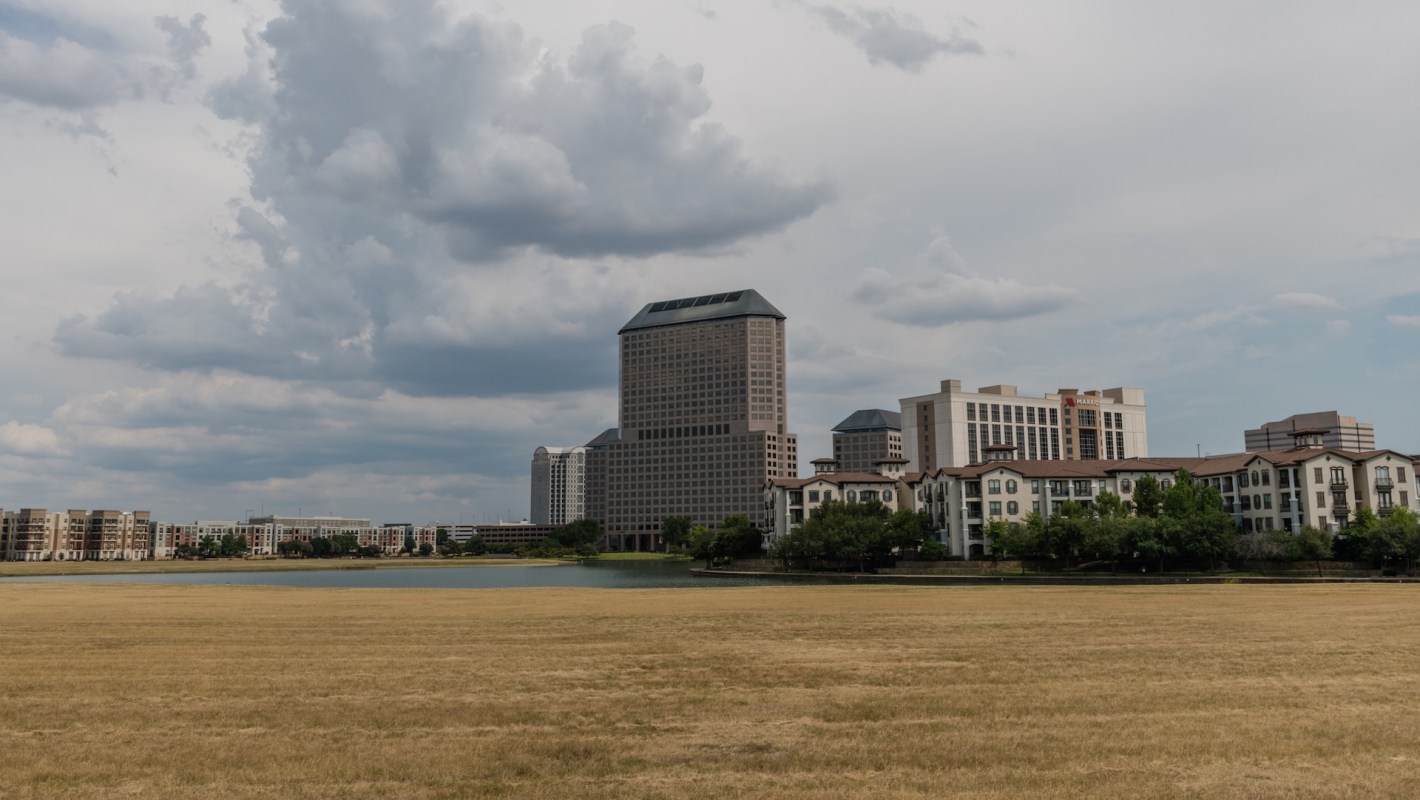
The Dallas-Fort Worth area is enduring a brutal stretch of late-summer weather, with triple-digit heat, growing wildfire danger, and no measurable rain for two months straight.
The combination is turning an already intense weather pattern into a mounting safety concern across North Texas.
Here's what to know
As Fox 4 reported on Monday, afternoon temperatures are hovering around 101 degrees, and the heat index may climb to 107. The station also noted that DFW International Airport's 60-day stretch without measurable rain is now among the area's three longest on record.
The area is running about 3.25 inches short on rainfall for the year, and the seven-day outlook does not include any major rain. Temperatures may ease only slightly, not enough to bring a real break from the heat.
The highest wildfire concern is west of Interstate 35 and in parts of North Texas where south winds could gust to 20 mph while afternoon humidity drops. From the Dallas-Fort Worth Metroplex eastward, higher humidity is making conditions more dangerous in a different way by sending heat index values far above the actual air temperature.
Forecast highs near daily records are raising the risk of heat exhaustion, heat stroke, and wildfire spread, particularly after weeks of drying conditions.
TCD Picks » Quince Spotlight
💡These best-sellers from Quince deliver affordable, sustainable luxury for all




More background
Extended dry stretches do more than turn lawns brown. They dry out grasses, brush, and soil, making vegetation easier to ignite and helping fires spread more quickly once they start. When gusty winds are added to the mix, even a small spark can become a major threat.
Worsening extreme weather disasters put lives and livelihoods at risk by disrupting daily routines, straining emergency services, and driving up costs for households and businesses. Dangerous heat can send more people to hospitals, threaten outdoor workers, and increase energy bills, while wildfire danger can damage homes, infrastructure, and local economies.
For many residents, this kind of weather also creates compounding stress. Families may need to spend less time outside, pay more to keep their homes cool, and stay alert for air quality concerns or evacuation warnings if fires ignite nearby.
The stubborn heat ridge may shift enough to allow more clouds and highs in the upper 90s instead of triple digits, but that still falls well short of meaningful relief.
What can be done?
Take heat and fire weather alerts seriously. That means drinking plenty of water, limiting strenuous activity during the hottest part of the day, wearing lightweight clothing, and checking on older adults, young children, and neighbors without dependable air conditioning.
People can also reduce fire risk by avoiding outdoor burning, using caution with equipment that can throw sparks, properly discarding cigarettes, and keeping vehicles off dry grass.
Households can also prepare for outages or emergencies by keeping phones charged, knowing where local cooling centers are, and following updates from weather officials and emergency managers.
With no substantial rain and no fall-like cooldown in the seven-day forecast, North Texans are still dealing with dangerous heat for people and dangerously dry ground and vegetation across the landscape.
Where can I learn more?
North Texas isn't the only place facing dangerous heat, worsened by dry conditions and pressure on basic systems. The articles below look at how the same mix is playing out across Texas and beyond, from deadly heat waves to wildfire worries in tinder-dry areas.
• Across Texas, deadly heat dome conditions are offering a glimpse of hotter summers ahead.
• In Victoria, Australia, catastrophic tinder-dry conditions are raising fears of fast-moving wildfires.
• In North Dakota, record heat flipped to cold within days, underscoring weather volatility.
Read together, they show that Dallas-Fort Worth's rainless streak is part of a bigger run of heat and weather extremes. That helps explain how a long dry spell can turn into both a public health issue and a wildfire risk.

Get TCD's free newsletters for easy tips, smart advice, and a chance to earn $5,000 toward home upgrades. To see more stories like this one, change your Google preferences here.






