


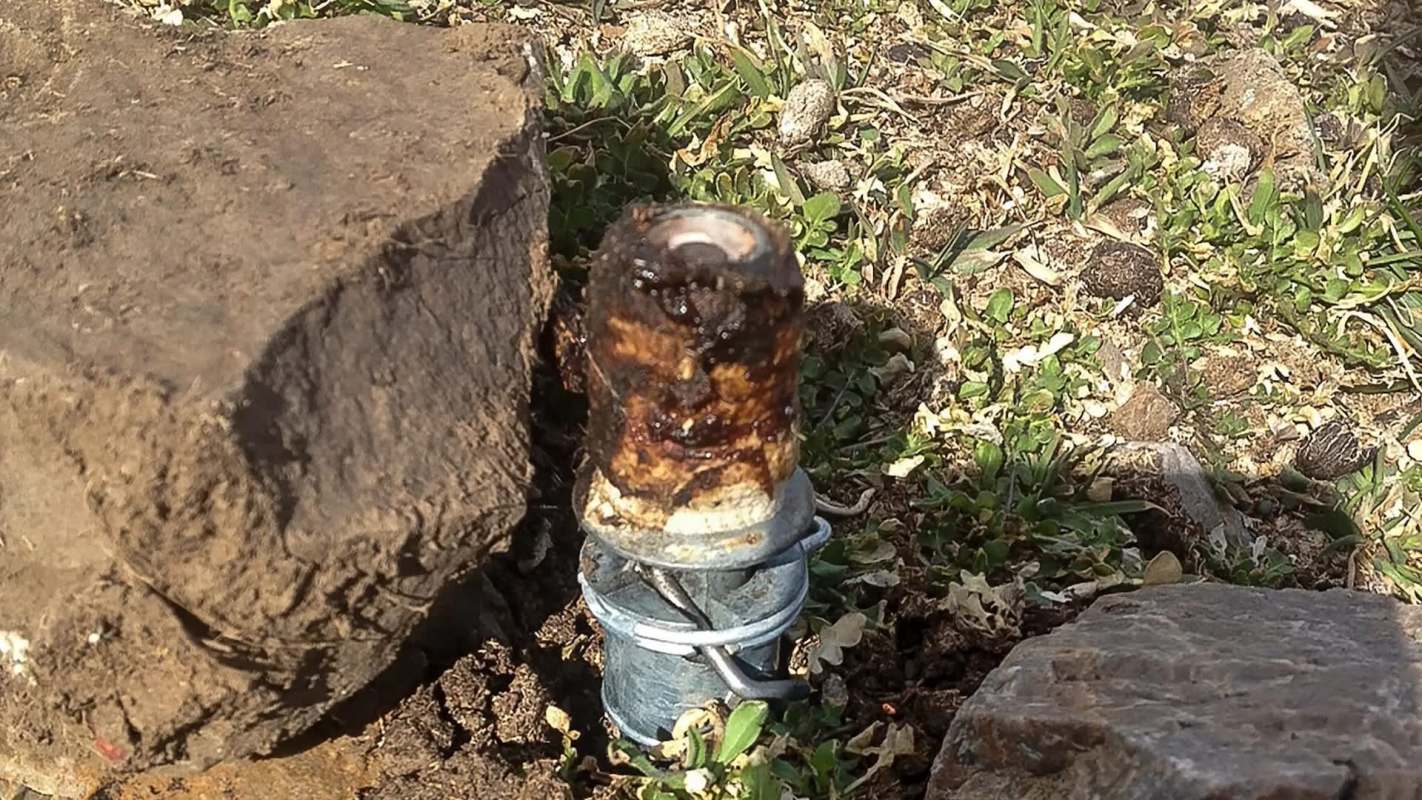
Federal officials are once again opening the door to so-called "cyanide bombs" on public lands, reviving a predator-control practice that had been blocked just a few years ago.
The devices, known as M-44s, are designed to kill coyotes and other animals that prey on livestock. But critics warn they can also injure or kill pets, wildlife, and even people who use those same landscapes.
What's happening?
According to a New York Times report, the Bureau of Land Management has reversed a 2023 ban on M-44 devices on the agency's public lands. An internal memo from April says the devices could again be weighed under current law and environmental review.
That does not mean every use is now automatically allowed. An Interior Department spokesperson told the Times that the memo does not directly expand use and that any proposals will still be reviewed on a case-by-case basis.
The agency also said that it could still limit or bar the devices in some places to protect public safety, pets, wildlife, and designated lands.
Even so, the decision has alarmed environmental and animal-welfare advocates because of the devices' history. M-44s are spring-loaded traps baited to lure animals in. When an animal bites one, it ejects sodium cyanide into its mouth, killing it within minutes.
TCD Picks » Quince Spotlight
💡These best-sellers from Quince deliver affordable, sustainable luxury for all




And the risks are not hypothetical. In a widely reported 2017 case in Idaho, a 14-year-old boy and his dog accidentally triggered one near their home. The dog died, and the boy was hospitalized after experiencing temporary blindness.
The federal government has used these devices for decades through the U.S. Department of Agriculture's Wildlife Services program. Wildlife Services says M-44s were responsible for more than 4,400 coyote deaths in 2024 alone.
Supporters of the reversal say ranchers need effective tools to prevent livestock losses. The American Sheep Industry Association has estimated that annual livestock losses to predators exceed $232 million.
Why is this concerning?
The core issue is that cyanide bombs are not precise.
TCD Picks » Quince Spotlight
💡These best-sellers from Quince deliver affordable, sustainable luxury for all
Although they are intended to kill predators such as coyotes and foxes, critics say they can also be triggered by endangered species, pet dogs, and other animals that were never the intended target.
As the Center for Biological Diversity's Collette Adkins told the Times, the devices are "indiscriminate."
That matters because public lands are shared spaces. Reintroducing poison-based traps into those areas raises obvious safety concerns for visitors and nearby communities, especially in rural places where warning signs may be overlooked or devices may be difficult to see.
What's being done about cyanide bombs?
According to the Times, states including California, Idaho, Oregon, and Washington have already barred or limited cyanide bombs. The EPA also requires setback distances from homes and roads, as well as warning signs in English and Spanish when the devices are used.
For anyone spending time on public lands, it may also be worth checking for local advisories and keeping pets nearby, especially in places where predator-control tools could be in use.

Get TCD's free newsletters for easy tips, smart advice, and a chance to earn $5,000 toward home upgrades. To see more stories like this one, change your Google preferences here.







