


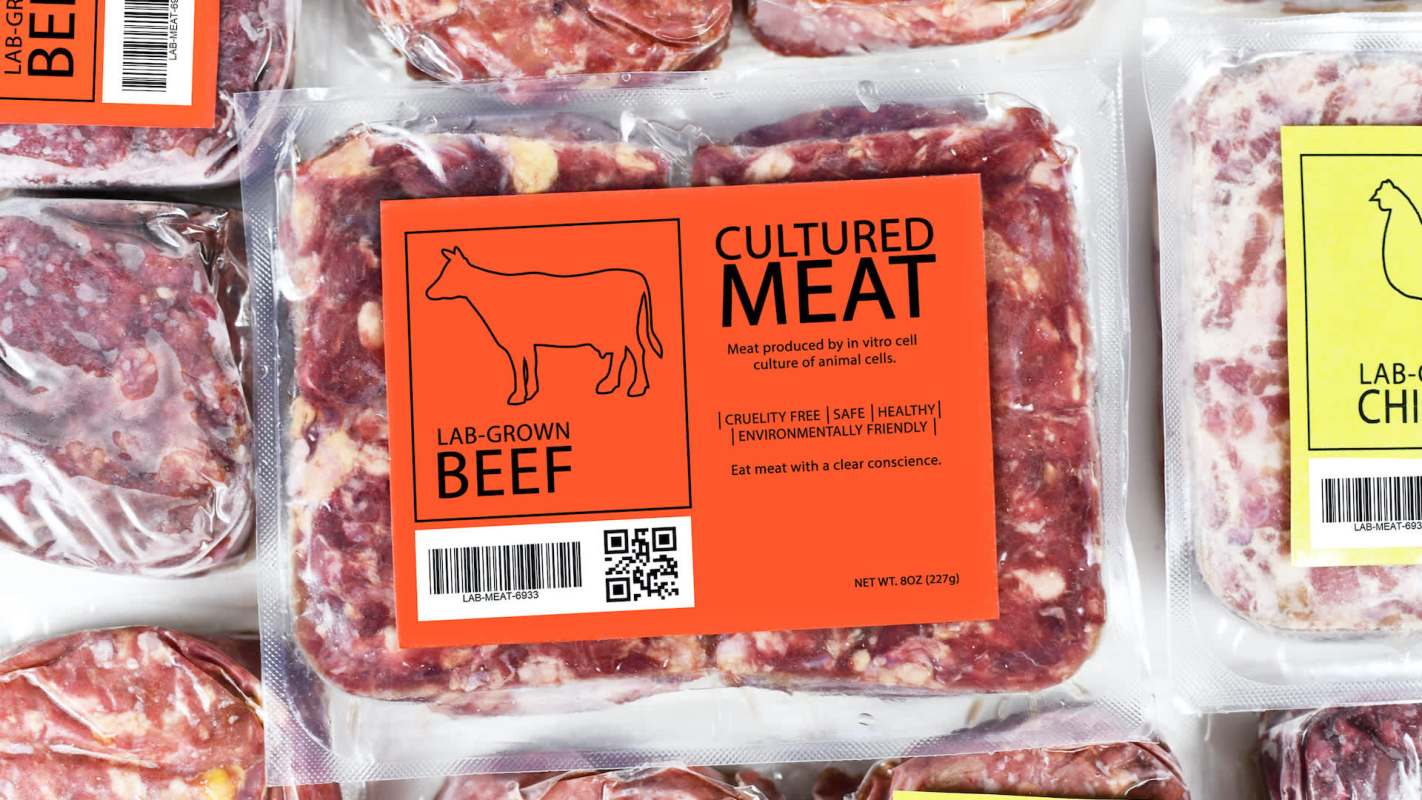
After layoffs, closures, regulatory hurdles, and a sharp pullback in investment, cultivated meat companies face an interesting challenge: show the product can move beyond hype and succeed commercially in the long run.
That is a sharp contrast to earlier years, when the field was promoted as a new way to produce real animal protein with lower environmental costs and fewer supply-chain headaches.
What happened?
A recent AgFunderNews analysis underscored the scale of the slowdown. Using AgFunder data, the report noted that investment in cultivated meat reached $989 million in 2021, dropped to $55 million by 2024, and recovered only slightly to $82.6 million in 2025. This investment was largely driven by Mosa Meat's $17.6 million round.
The funding crunch is no longer abstract. In December, Believer Meats and Meatable — both among the field's top fundraisers — closed operations, according to AgFunderNews. Elsewhere, Good Meat is still working to make large-scale production pay, and Upside Foods has stopped work on a planned major facility in Illinois, AgFunderNews reported.
Steven Finn, a general partner at Siddhi Capital, argued that regulatory approvals alone are no longer a significant measure of progress for cultivated meat, saying: "Now we need to see a real instance of a product coming into the market and working. But it's not impossible."
Sources speaking with AgFunderNews said recent technical progress may matter most at the high end of the market. They pointed to seafood and specialty cuts, including bluefin tuna toro, as categories that could reach competitive pricing sooner than cheaper products such as chicken nuggets or ground meat.
TCD Picks » Quince Spotlight
💡These best-sellers from Quince deliver affordable, sustainable luxury for all




Why does it matter?
The upside, if the manufacturing challenge is solved, is a protein source that may be easier to keep stable when animal disease outbreaks, trade shocks, or swings in feed prices hit conventional markets. In seafood in particular, companies argue that the approach could also improve consistency and safety. With cultivated meat not yet widely available in stores, there are many other easy-to-find plant-based options available, and this guide on plant-based foods can help you find appetizing options out there for people with various tastes.
BlueNalu makes that case with its cultivated bluefin tuna toro. Founder and CEO Lou Cooperhouse said it could deliver "consistent quality, year-round availability, 100% yield" along with "no detectable mercury, no parasites, no antibiotics, and no fishing."
For Fork & Good and Aleph Farms, the pitch is not limited to novelty: They see cultivated meat as a way for manufacturers to diversify and stabilize supply.
What are people saying?
Finn argued the category still has a chance, saying, "I don't believe it's dead in the water," even as he cautioned that "insiders are getting close to tapped out."
Niya Gupta, co-founder and CEO of Fork & Good, said the next step is simple: "The way through is commercial proof: paid partnerships, real offtake agreements, products that food manufacturers are integrating into their supply chains."
Orbillion Bio founder Patricia Bubner, Ph.D., put the shakeout in harsher terms: "The funding drought has done something useful: it has clarified who the serious players are."

Get TCD's free newsletters for easy tips, smart advice, and a chance to earn $5,000 toward home upgrades. To see more stories like this one, change your Google preferences here.






