


For years, companies have leaned on feel-good phrases such as "green," "sustainable," and "climate neutral" to market everything from flights to fast fashion. In Europe, however, that strategy may be reaching its limit.
Environmental marketing in Europe is entering a tougher era: A court ruling and new anti-greenwashing measures may leave brands far less room to make sustainability claims they cannot substantiate.
What happened?
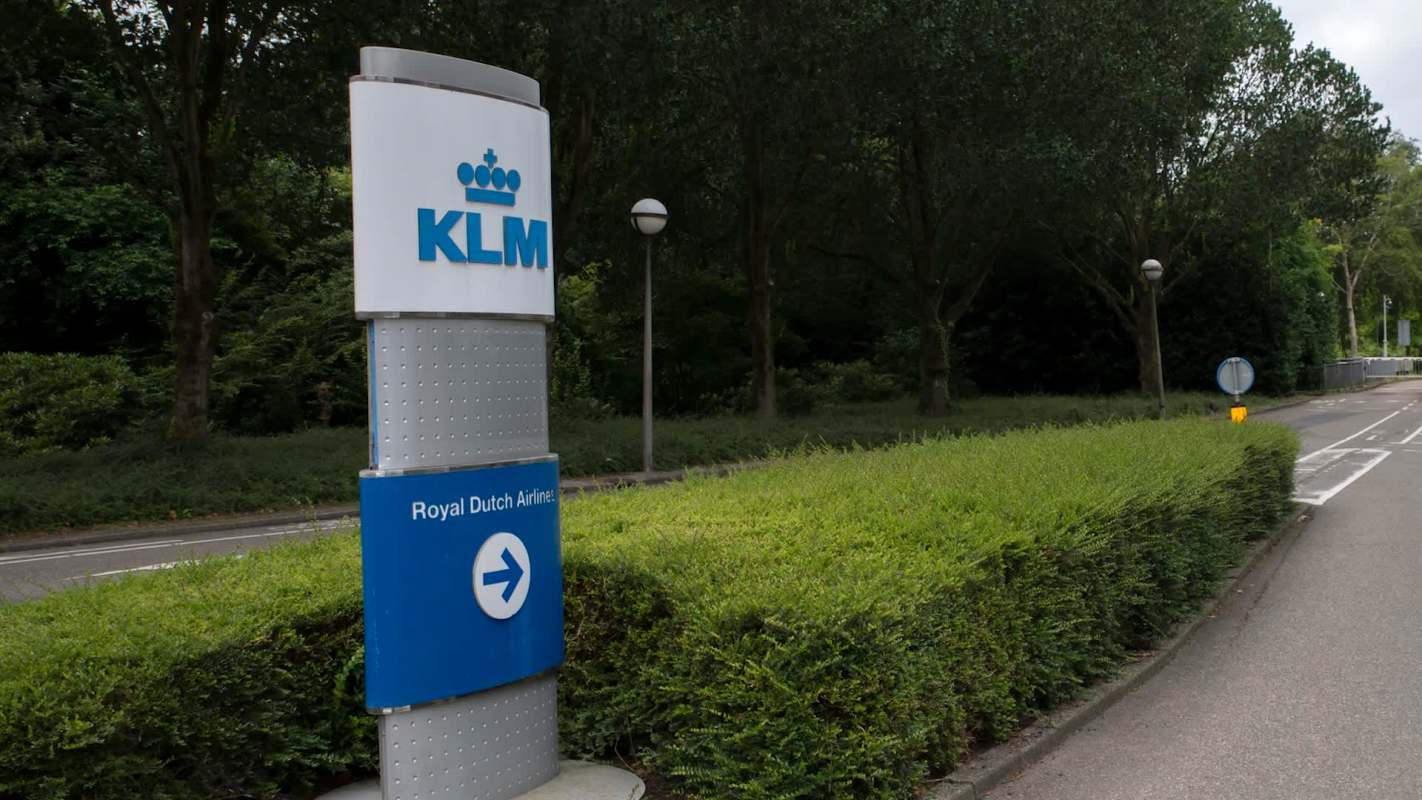
In 2024, an Amsterdam court ruled that Dutch airline KLM had misled consumers through its "Fly Responsibly" advertising campaign. The aviation case centered on ads that, in the court's view, gave consumers a misleading sense of flying's climate impact, and the decision could have implications well beyond a single sector. As Innovators Magazine reported, it arrives just as environmental marketing rules are tightening more broadly.
Among the statements examined were "Fly Responsibly" and "CO2ZERO," along with messaging that suggested passengers could make air travel more sustainable through offsets or reforestation support. The court said those promised climate benefits were either described too vaguely or presented too optimistically.
At the same time, regulators are moving ahead with measures aimed at weak or unsupported environmental messaging. Alongside the ruling, that broader policy shift could significantly limit how much companies can lean on sweeping, unverified "green" branding.
In other words, businesses may need concrete, independently verifiable proof before using broad environmental labels at all.
TCD Picks » Quince Spotlight
💡These best-sellers from Quince deliver affordable, sustainable luxury for all




Why does it matter?
For shoppers and travelers, greenwashing is more than frustrating marketing language — it can also cost real money. Consumers often pay more for products or services they believe are better for the planet, only to find out later that the environmental benefit was exaggerated or poorly defined.
Stricter rules could make it easier for people to compare their options and avoid paying a premium for claims that do not hold up under scrutiny. In high-pollution industries such as aviation, reassuring phrases can distract from the fact that flying still carries a significant climate cost.
When companies can no longer hide pollution behind vague promises, cleaner technologies and genuinely lower-impact alternatives have a better chance to compete. Over time, that can help reduce pollution and the air-quality damage often tied to burning fossil fuels.
It could also benefit companies that have made real progress, rather than allowing competitors to win over customers with polished wording alone.
What's being done?
The response is unfolding in both courtrooms and policy circles. Judges appear increasingly willing to probe sustainability claims, while upcoming rules are expected to curb the use of generic labels such as "eco-friendly" or "climate neutral" unless strong evidence supports them, according to Innovators Magazine.
Claims that rest only on carbon offsetting are one area facing especially intense scrutiny. That could encourage companies to shift their efforts away from polished messaging and toward reducing pollution in their own operations and supply chains.
"European regulation should not be seen as a form of censorship," said Domenico Canzoniero, who developed the risk-mapping platform Greenwashing Checkup, Innovators Magazine reported.
"Its purpose is to reward companies that have authentic, measurable, and genuinely relevant environmental achievements to communicate. If we can create greater clarity about what is truly sustainable and what is not, consumers will be better equipped to choose products that have a lower impact on people and the planet."

Get TCD's free newsletters for easy tips, smart advice, and a chance to earn $5,000 toward home upgrades. To see more stories like this one, change your Google preferences here.






