


When a company sells a protein powder as "good, clean nutrition," shoppers may assume they are getting a product made with better ingredients — or, at the very least, one free of potentially toxic contaminants.
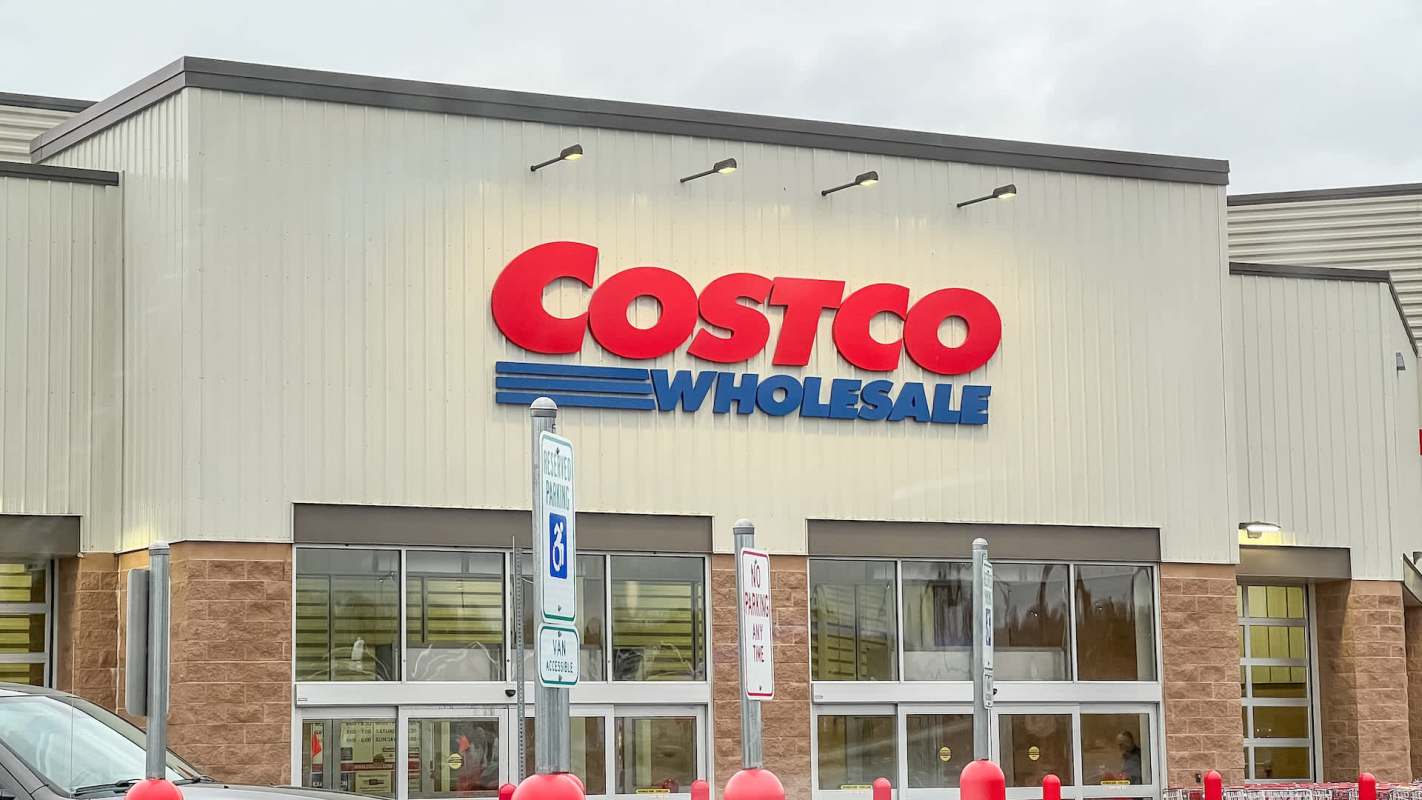
Those expectations are now at the center of Costco's effort to dismiss a proposed class action lawsuit over Orgain organic protein powder. In court, the retailer has argued that its "clean" messaging was simply marketing language, not a guarantee that the product contained no lead or other heavy metals.
Here's what to know
In July, Stephen Barton and six other consumers brought a class action lawsuit against the bulk-sales giant, according to Top Class Actions. The plaintiffs alleged that Costco marketed Orgain Vanilla Bean and Creamy Chocolate Fudge protein powders as "clean" when the products were later revealed to contain potentially toxic heavy metals, including lead, cadmium, and arsenic.
In a recently filed motion to dismiss, Costco argued that the lawsuit does not point to any statement explicitly saying the products were free of heavy metals. Costco further argued that the language amounted to "puffery," a legal term for marketing language that cannot be proven to be true or false, per Top Class Actions.
Costco also argued that the phrase should be read alongside the rest of the packaging. In the company's telling, wording like "higher standards" appears with descriptions like "vegan," "gluten-free," and "non-GMO," indicating references to ingredients, nutrition, and dietary qualities rather than contaminant testing.
More about Costco's argument
In its motion to have the class action tossed out, Costco also pointed to testing results cited by the plaintiffs themselves. Costco said the highest lead level alleged in the complaint was 3.37 micrograms per serving, which it described as less than half of the FDA's 8.8-microgram interim daily reference level for dietary lead, per Top Class Actions.
TCD Picks » Quince Spotlight
💡These best-sellers from Quince deliver affordable, sustainable luxury for all




While Costco acknowledged that five samples were alleged to be above California's Proposition 65 lead threshold, the retailer argued that Prop 65's standards were designed to establish a wide safety margin, not to set a science-based threshold based on risk of harm.
Costco is asking the court to dismiss the entire case with prejudice, which would stop the plaintiffs from filing the same claims again. The lawsuit alleges consumer protection violations under the laws of Washington, California, Illinois, Minnesota, Ohio, and Texas.
Where can I learn more?
The Orgain case is just one among a wave of lawsuits over contamination concerns and disputed marketing claims. The articles here cover the Orgain dispute, other Costco labeling complaints, and cases targeting allegedly misleading claims from major consumer brands.
• Costco was hit with a class action claiming Orgain powders hid toxic metals.
• At Costco, shoppers challenged misleading Eco Soft blankets in another greenwashing dispute.
• Coca-Cola faced a lawsuit over deceptive electrolyte claims on Powerade drinks.
• In California, Bumkins was sued over children's products with PFAS marketed as safe.
• Apple was sued after carbon-neutral marketing claims allegedly overstated a product's climate impact.

Get TCD's free newsletters for easy tips, smart advice, and a chance to earn $5,000 toward home upgrades. To see more stories like this one, change your Google preferences here.






