


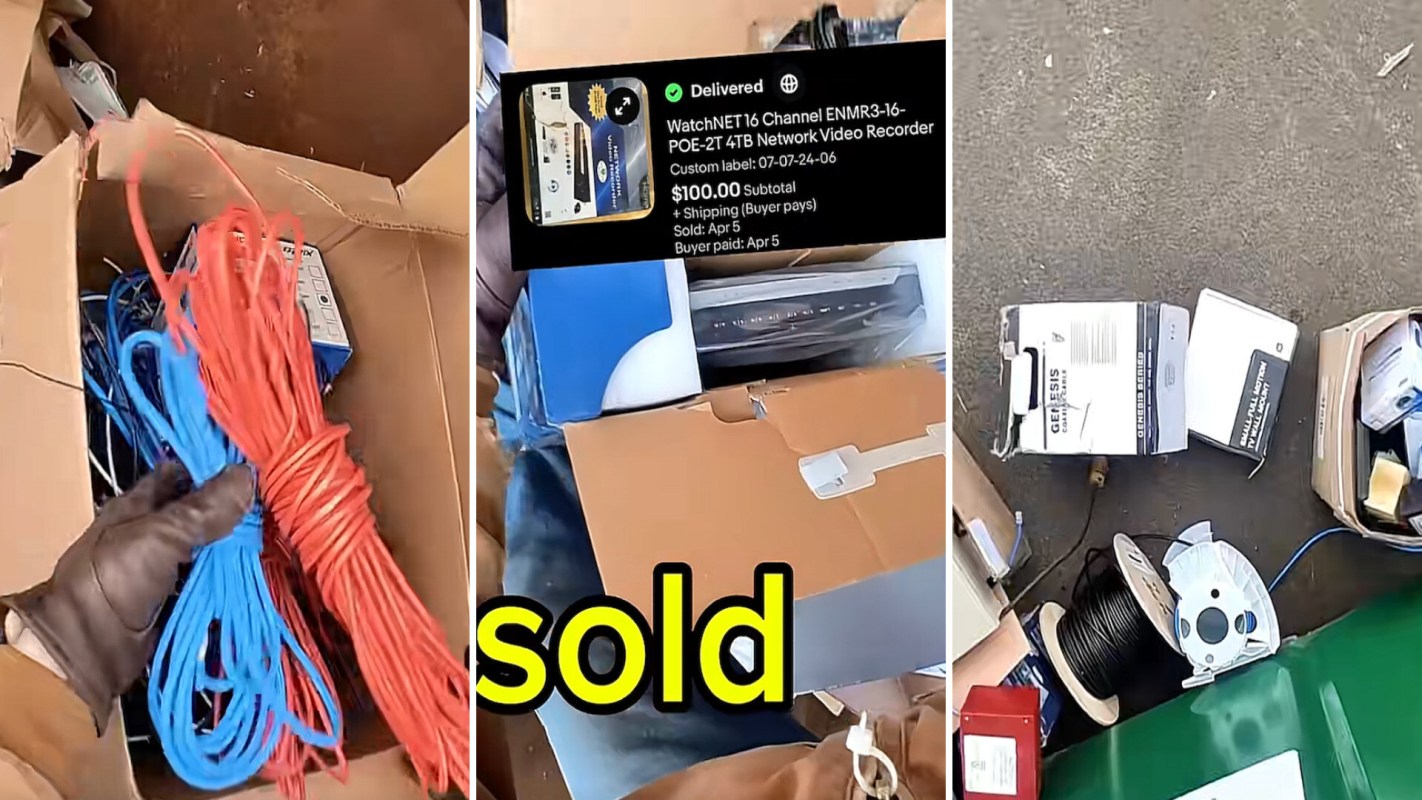
Discarded wire may look like junk, but one TikTok creator said some piles can still bring in real money.
Here's what to know
Love in the Dumpster (@loveinthedumpster) wrote, "Turn this wire in to the scrapyard and you'll make $1/lb. … All the wire shown would be considered low grade insulated copper wire at my yard."
In the clip, the creator sorted through multiple spools of discarded wire and said, "Don't these people know this is worth money?"
@loveinthedumpster Turn this wire In to the scrapyard and you'll make $1/lb … all the wire shown would be considered low grade insulated copper wire at my yard. Note that some yards grade the wire differently and prices change as well region to region +/- 30% #scrapmetal #dumpsterdiving ♬ Money, coin, cash register, shop, accounting 1 - Rapid Fire
The caption also stressed that pricing is not uniform, stating, "Note that some yards grade the wire differently and prices change as well region to region +/- 30%."
One commenter wrote, "It's amazing what gets thrown away at the end of a construction build out."
More background
A practical question many people run into when cleaning out a garage, remodeling a room, or dealing with leftover cords and cables is whether something belongs in the trash or still has value.
TCD Picks » Quince Spotlight
💡These best-sellers from Quince deliver affordable, sustainable luxury for all




Copper-bearing wire often falls into that gray area. Even when it is not the highest-paying grade, insulated wire can still be worth something, especially when enough of it adds up by weight. Full rolls and heavy spools can turn modest per-pound prices into a more meaningful payout.
Resale value and scrap value are not always the same. The creator pulled one spool from the dumpster that they said was "probably resellable."
For intact, usable materials, a secondary marketplace may sometimes offer more than a scrap counter.
Dumpster diving also comes with legal and safety concerns. Access rules vary by property, and discarded materials can contain sharp edges, damaged electronics, or other hazards. Anyone considering salvaging materials should make sure they have permission and can handle items safely.
What can be done?
People who already have leftover wire from cleanouts or home projects may want to check before tossing it. A quick call to local scrapyards can help determine how they classify insulated copper wire and what they are currently paying.
It also helps to separate materials. Mixed loads with trash, connectors, or other metals may be graded differently, which can affect the final payout. If a spool is intact and usable, it may be worth considering whether reselling it makes more sense than scrapping it.
Avoid handling unknown cables, cutting anything that could still be live, or stripping or processing materials without the right tools and know-how.
Where can I learn more?
Questions about wire value also touch on bigger issues around copper, electrical upgrades, and energy equipment.
• In Virginia, suspected copper theft at a substation cut power to 1,386 people during 102-degree heat.
• Across the U.S., installers noticed solar panel prices fell as supply shifts reshaped project costs.
• In U.S. markets, plug-and-play solar panels are edging closer to wider adoption without rewiring.

Get TCD's free newsletters for easy tips, smart advice, and a chance to earn $5,000 toward home upgrades. To see more stories like this one, change your Google preferences here.






