


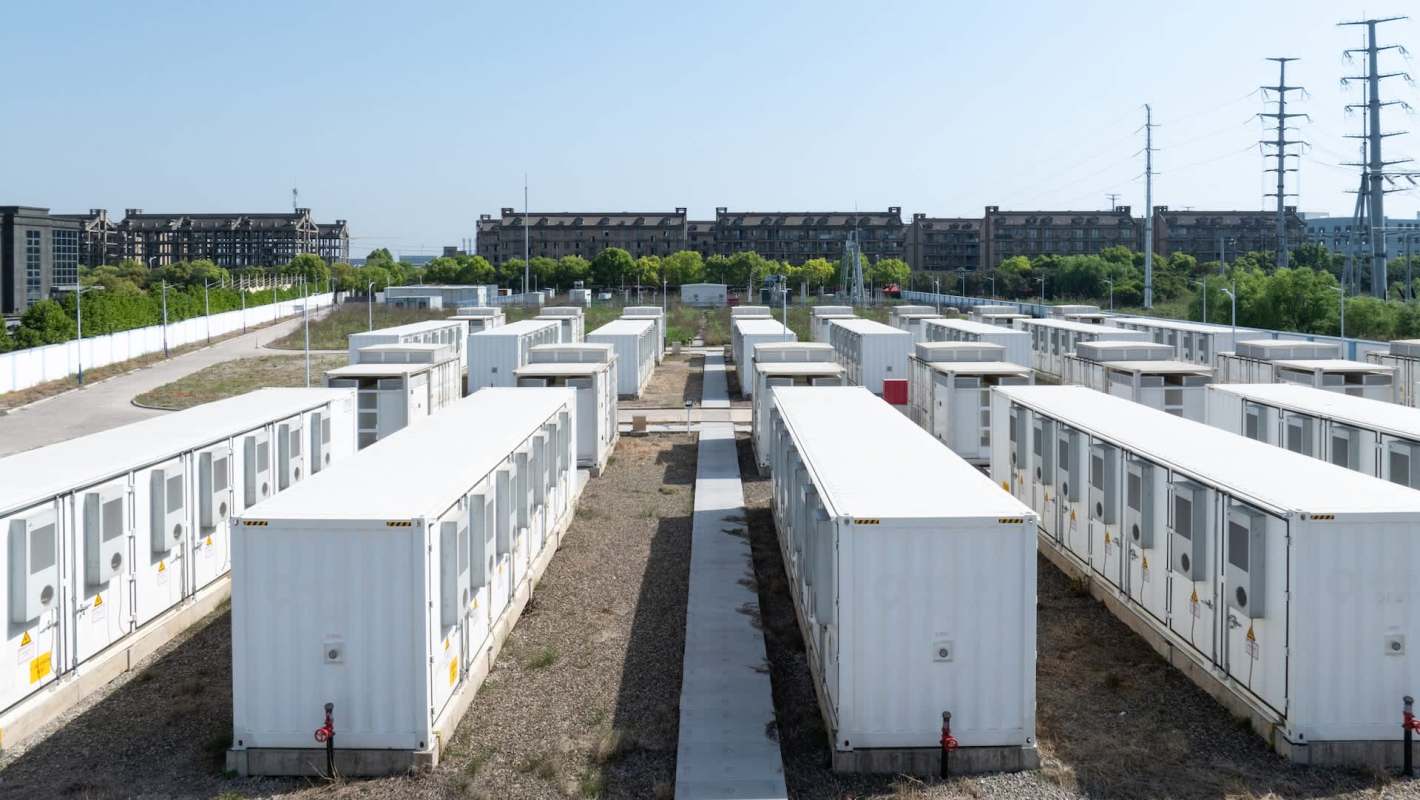
Construction on a proposed battery storage facility in Wattsville, Virginia, remains paused, with a county stop work order still in effect.
The move is the latest turn in a dispute that has pitted clean energy infrastructure against residents concerned about safety, home values, and the future of their community, Shore Daily News reported.
What happened?
On Wednesday, the Accomack County Board of Zoning Appeals voted 3-1 to keep in place the order, which affects Scout Storage's battery storage project on Chincoteague Road near Flemming Road.
More than 10 residents attended the public hearing before that vote, and all public comments urged the county to not allow the facility to move ahead.
Scout Storage secured a conditional use permit for the project in 2022.
That approval was set to expire after three years, with the deadline falling in July.
TCD Picks » Quince Spotlight
💡These best-sellers from Quince deliver affordable, sustainable luxury for all




Even so, county officials approved a site plan and land disturbance permit in March, creating uncertainty about whether work on the project could continue since the earlier permit had lapsed.
The company maintained that the permit should remain in effect because enough of the project had already been completed, estimating that about 75% of the construction had been done before the deadline.
The county took the opposite view, and the zoning appeals board agreed, leaving the project on hold unless the developer succeeds in an appeal.
Why does it matter?
Battery storage projects are becoming an increasingly important part of the transition to cleaner energy because they can store electricity produced by sources such as solar power and release it when demand increases.
That capability can help stabilize the grid, reduce wasted energy, and make it easier for communities to rely less on polluting power sources.
When a project such as this is halted, it can slow progress toward a more reliable, lower-pollution energy system.
At the same time, the dispute shows how complicated that progress can become when residents feel a project is moving forward without enough trust, transparency, or community buy-in.
In this case, confusion over permit timing and fierce neighborhood opposition turned the project into a clash over who gets to shape the transition.
What are people saying?
At the hearing, residents focused their criticism on three issues: possible safety hazards, the effect the project could have on property values, and concerns about altering the character of the area.
No one who spoke voiced support for the project.
According to the county attorney, Scout Storage sought to change the permit after the fact.
Attorneys for the developer said Scout Storage respected the board's ruling but was dissatisfied with the result and intended to appeal.

Get TCD's free newsletters for easy tips, smart advice, and a chance to earn $5,000 toward home upgrades. To see more stories like this one, change your Google preferences here.






