


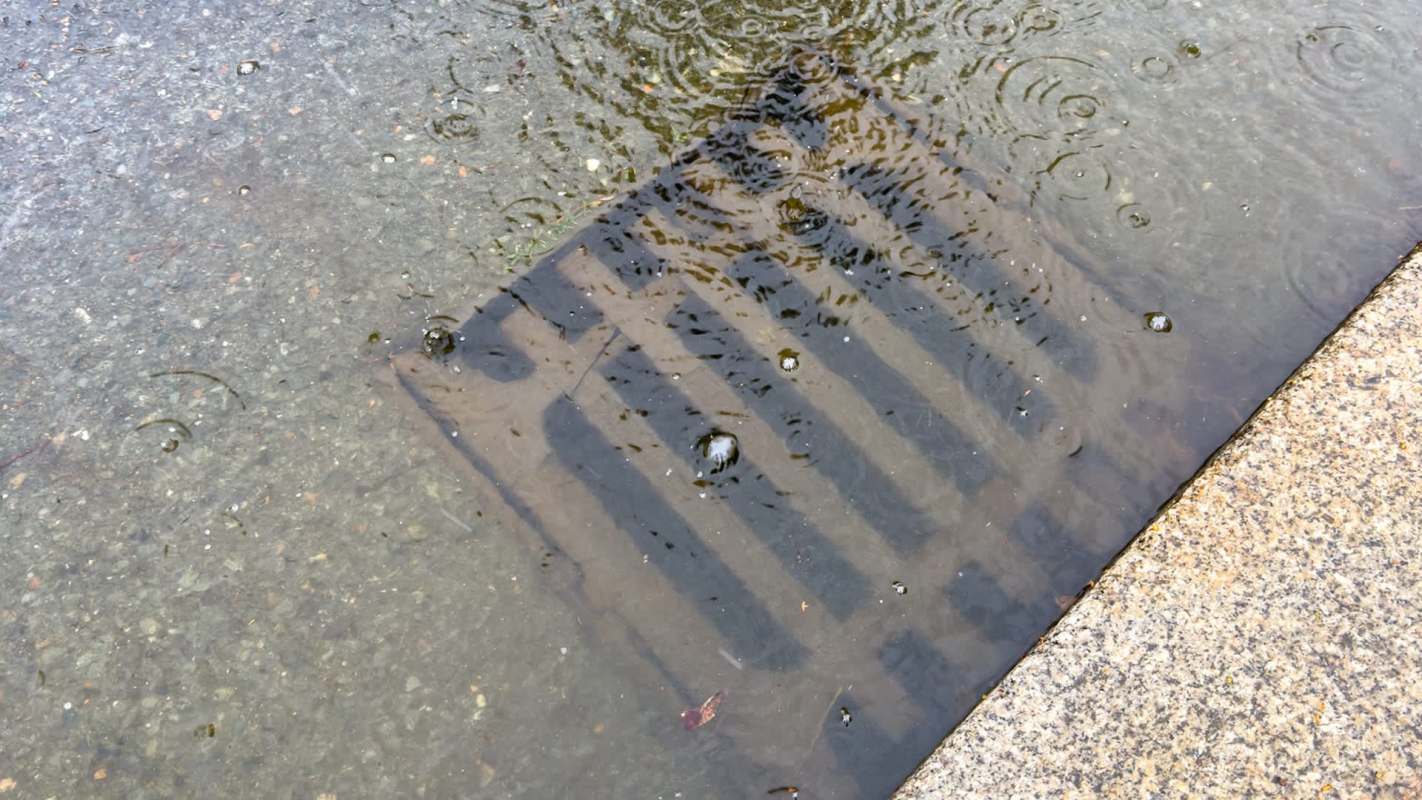
Officials in the city of Conroe, Texas, are weighing a familiar but difficult question for fast-growing communities: how to pay for infrastructure before the next major problem arrives.
On Sept. 10, City Council reviewed roughly $210 million in identified drainage needs but stopped short of moving ahead with a proposed $4 monthly stormwater fee for residents, Community Impact reported.
Here's what to know
Council members left the proposed residential fee unapproved and took no formal vote.
Instead, they directed staff to continue reviewing the issue and return with clearer information about the possible costs for residents and businesses.
Mayor Pro Tem John Sellars asked two questions: what grant money might be available and how much a city-operated stormwater utility could cost the public.
Staff indicated that grant options are still being pursued, but the only current drainage efforts backed by grants involve elevating homes and buying out properties.
TCD Picks » Quince Spotlight
💡These best-sellers from Quince deliver affordable, sustainable luxury for all




Only around $5 million in drainage spending is currently included in the fiscal year 2026-27 budget, officials warned, even though the works reviewed Sept. 10 totaled roughly $210 million.
The proposal previously brought forward would have charged residential properties a flat $4 per month.
For nonresidential sites, the rate would have been $4 for each equivalent residential unit, with one unit measured as 3,200 square feet of impervious area like pavement and rooftops.
More background
Poor drainage can quickly become a major quality-of-life issue, affecting roads, homes, businesses, and even insurance and repair costs.
Consultants told the city the fee could bring in roughly $4.43 million each year, according to Community Impact.
That earlier study also outlined about $11.9 million in capital needs and roughly $276,000 in labor support costs. The locations identified for possible intervention were Alligator Creek, Live Oak Creek, Canterbury, Oxford, and Hunnington Drive.
The matter had already been delayed once before Sept. 10.
On Aug. 27, council members chose not to act and instead asked for a wider review covering existing drainage problem areas and projects already on the books.
What's being done?
For now, the city is still assessing the possible structure and impacts of a stormwater utility on various property owners.
During the meeting, staff emphasized that the city itself would administer the fee and that it would not affect municipal utility districts.
Before council advanced the proposal, Sellars sought a fuller breakdown of the costs involved.
At the same time, some drainage work is still expected through the next budget cycle, and staff members are continuing to seek outside grant funding.
"Drainage is one of those things you don't see the effects [of] until it hits," Public Works Director Jason Miller noted during the discussion.
Where can I learn more?
Conroe isn't alone in trying to get ahead of water infrastructure problems. Across Texas and beyond, local officials are contending with drought restrictions, floodwater capture, and shifting reservoir levels as they plan for what comes next.
• Across Texas, constant water restrictions highlight strain on municipal water systems.
• In California, planners are looking at capturing floodwater as one way to blunt future droughts.
• Near Corpus Christi, rainfall raised reservoir levels, but drought planning still shapes local policy.
These stories offer useful context for why Conroe officials are pressing for more detail on cost, timing, and long-term infrastructure planning.

Get TCD's free newsletters for easy tips, smart advice, and a chance to earn $5,000 toward home upgrades. To see more stories like this one, change your Google preferences here.






