


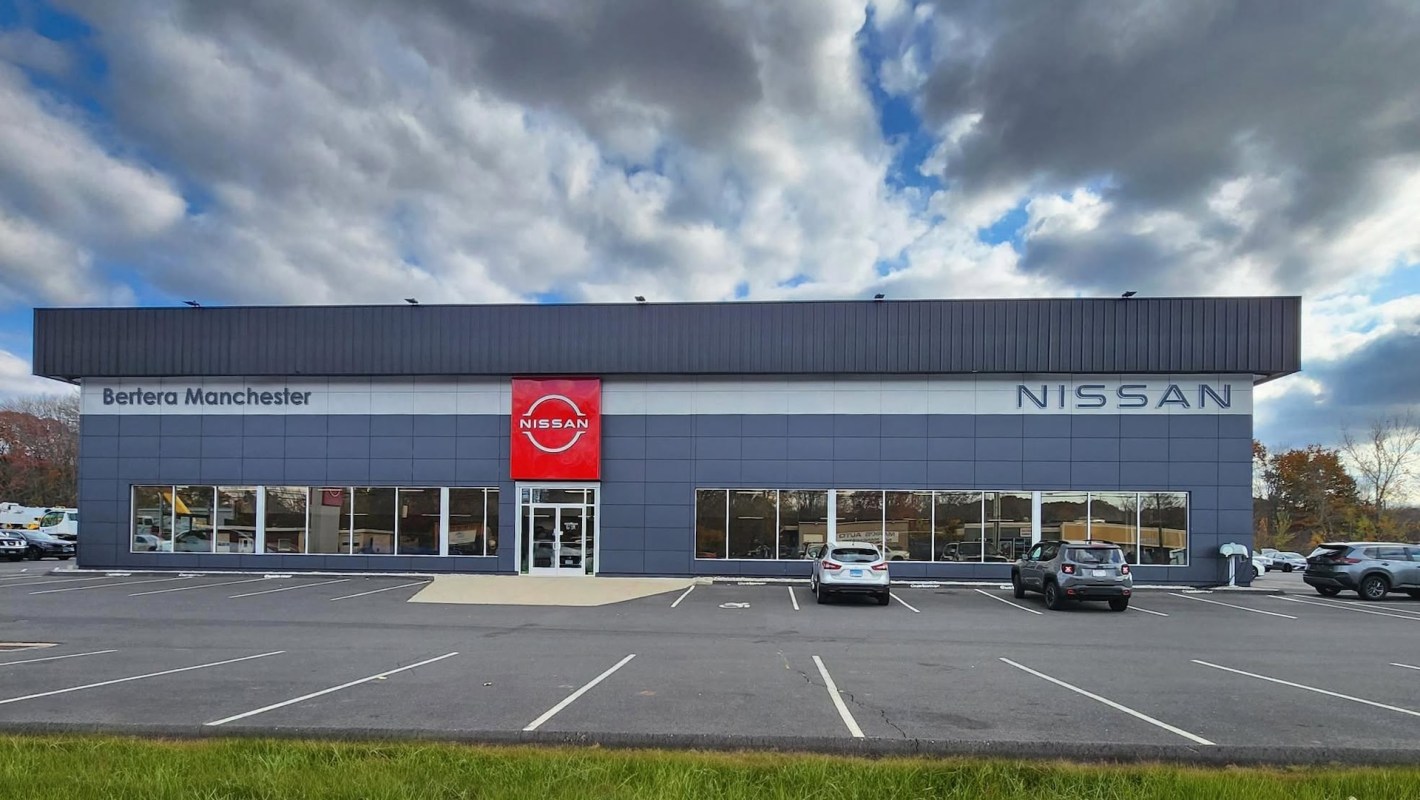
Buying a car is expensive enough without surprise charges slipping into the paperwork.
That is why a $4 million settlement involving federal and Connecticut regulators and a Nissan dealership is drawing attention. The case centers on the kind of hidden fees that can quietly raise the cost of a loan for everyday buyers.
Here's what to know
According to Regulatory Oversight, Manchester City Nissan agreed to a $4 million settlement after the Federal Trade Commission and Connecticut Attorney General William Tong accused it of charging customers fees they had not authorized.
Regulators sued the dealership together in January 2024, saying its own records showed buyers were charged thousands of dollars in fees described in the complaint as "unlawful." The allegations included charges for "certifying" vehicles that were already advertised as certified pre-owned.
The complaint further says some finance agreements included add-on products such as total loss protection even though there was no documented consumer approval.
If approved, the settlement would provide $4 million in consumer redress. It would also require the dealership to make the highest total price, excluding only required government charges, the most prominent figure in a transaction and to obtain express, informed consent for every fee.
TCD Picks » Quince Spotlight
💡These best-sellers from Quince deliver affordable, sustainable luxury for all




More background
The case reflects a broader crackdown on junk fees and drip pricing.
Regulators expect consumers to see the true total price early in the process, before they feel committed to a purchase.
Regulators across the country have taken a harder line on businesses that advertise one price and present another later in the process. In the auto market, that can be especially harmful because many buyers rely on financing and may not immediately notice small line items buried in contracts.
Although the FTC's Trade Regulation Rule on Unfair or Deceptive Fees started under Biden, it took effect in May 2025 during the Trump administration and has continued to draw backing.
The same federal focus has extended beyond dealerships. On March 31, 2025, the Trump administration issued the Combating Unfair Practices in the Live Entertainment Market Executive Order, directing the FTC to push for clearer ticket pricing. In April 2026, the agency also reached a $10 million settlement with StubHub over claims tied to undisclosed mandatory charges.
What's being done?
The Manchester City Nissan settlement lays out a clearer standard for how businesses should present prices.
Under the agreement, the largest and clearest price shown to consumers must be the true maximum total price, not a teaser number that omits mandatory costs.
It also requires express, informed permission for each fee, along with a six-year compliance reporting obligation and a five-year recordkeeping obligation.
Where can I learn more?
The Connecticut case is about allegedly deceptive fees and a lack of clear consumer consent. These articles look at similar questions in other parts of the marketplace, where major brands have faced scrutiny over claims that can leave shoppers with the wrong impression.
• At Target, shoppers are being shown how to spot greenwashing in everyday products.
• Zara parent Inditex faced backlash after a concerning operational change increased emissions and shipping worries.
Misleading sales tactics and fuzzy marketing claims can show up in all kinds of industries. For anyone following the Connecticut case, this roundup offers a broader view of how consumer-protection scrutiny is reaching far beyond the car lot.

Get TCD's free newsletters for easy tips, smart advice, and a chance to earn $5,000 toward home upgrades. To see more stories like this one, change your Google preferences here.






