


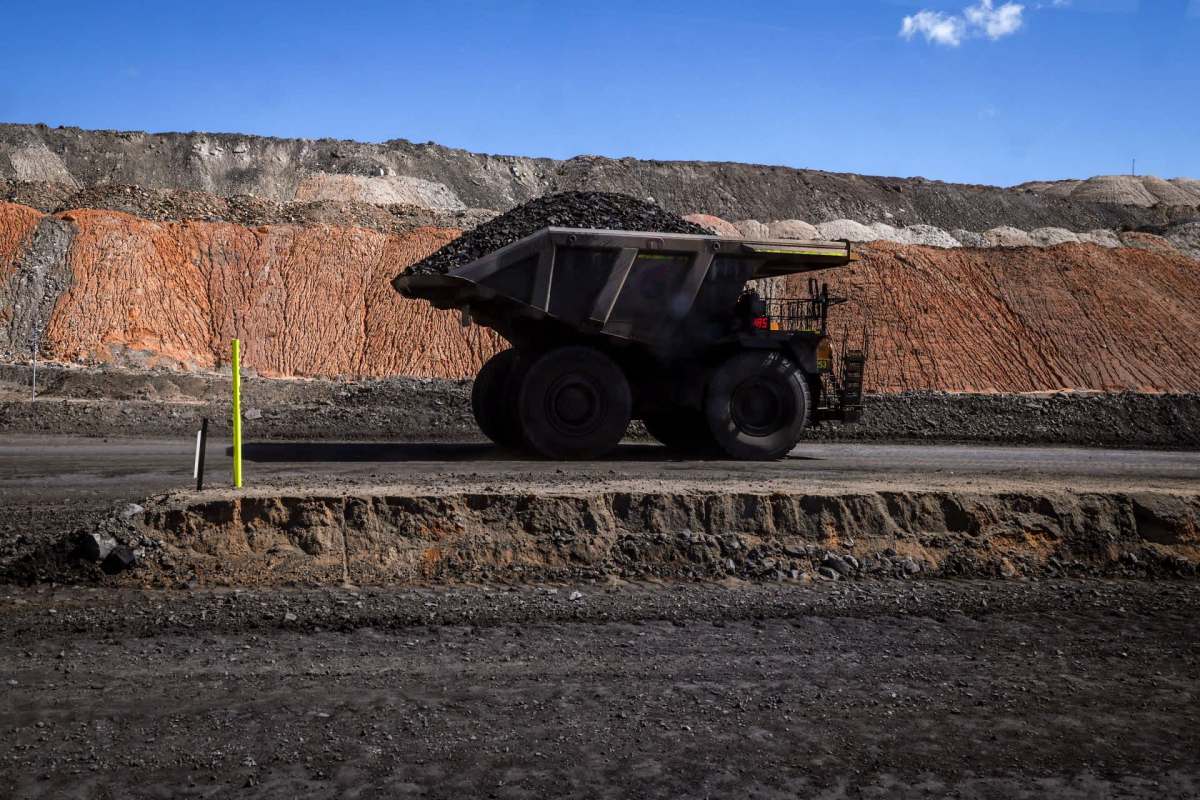
A community organization has won a major case in Australia's High Court over the planned expansion of the Mt Pleasant coal mine in New South Wales.
The judges said the approval process was legally deficient because planners did not properly assess whether burning the mine's exported coal could worsen bushfires, drought, flooding, and extreme heat in the region.
Here's what to know
The case centered on the New South Wales Independent Planning Commission's 2022 approval of MACH Energy's Mt Pleasant expansion, a decision the High Court has overturned, according to Renew Economy.
Denman Aberdeen Muswellbrook Scone Healthy Environment Group Inc., known as DAMS HEG, brought the challenge, making it the first climate case to reach Australia's highest court.
The court said the commission was required by law to weigh the local consequences of the mine's downstream, or Scope 3, emissions before granting approval, including increased risks of bushfire, drought, flooding, and extreme heat in the Hunter.
MACH's application covered 406 million metric tonnes (447.5 million tons) of coal to be mined over 22 years beginning in December 2026, a scale that would have nearly doubled the mine's present annual production of 10.5 million metric tonnes (11.6 million tons).
TCD Picks » Quince Spotlight
💡These best-sellers from Quince deliver affordable, sustainable luxury for all




According to the High Court, almost the entire project's 876.01 million metric tonnes (965.7 million tons) of greenhouse gas emissions would come from the coal being burned in export markets, with all but 17 million metric tonnes (18.7 million tons) attributed to that eventual combustion.
More background
Evidence before the court indicated the Hunter could face warmer average temperatures, more widespread bushfires, and more frequent heavy rainfall events.
On LinkedIn, Kate Owens, director of the Australian Centre for Climate and Environmental Law and an associate professor at Sydney Law School, wrote that "international carbon accounting does not determine the scope of domestic obligations," per Renew Economy. In the Upper Hunter, the dispute focused on the nearby harms those emissions could worsen, rather than only on worldwide emissions totals.
The ruling came after New South Wales approved another large Hunter Valley coal expansion, the HVO project, which is slated to extract 429 million metric tonnes (472.9 million tons) over 19 years.
The Climate Media Centre said the decision could affect 17 coal proposals moving through the state's planning system and described the ruling as a national precedent that is likely to shape future climate litigation.
What's being done?
Because the approval remains invalid, the Climate Media Centre said the Mt Pleasant expansion must return to either the New South Wales Land and Environment Court or the Independent Planning Commission for a new assessment of how it contributes to local climate harm.
According to Renew Economy, New South Wales resources minister Courtney Houssos said the government would "carefully consider the full judgment" and noted that Mt Pleasant has a separate approval allowing it to continue operating until 2032.
She also said the decision does not mean the expansion cannot be reconsidered.
Houssos said MACH Energy would keep exploring options for the project and that the state would "engage closely" with the company.
MACH said it was disappointed by the outcome but would review the ruling to better understand its implications for "future project assessments and environmental approvals."
The legal fight took years. DAMS HEG pursued the matter through three levels of court over four years.
"This isn't the end of coal overnight," Tony Lonergan, treasurer of DAMS HEG, said, per Renew Economy. "But it is the end of coal mine approvals that look the other way on climate. Every planning authority in Australia now has to take this seriously. That is a fundamental change."
Where can I learn more?
These stories explore how coal operations and climate policy decisions shape public health, local environments, and nearby communities.
• After Pittsburgh's Shenango closure, heart attacks and strokes dropped nearly instantly nearby.
• In former coal regions, water resources improved after closures even as communities faced new strains.
• In the United States, power plant emissions rules faced another court test over coal pollution.
• Across developing countries, there's a strong economic case for replacing coal plants with solar.
• In Florida, manatee habitat around coal plants faced new risks as closures advanced.

Get TCD's free newsletters for easy tips, smart advice, and a chance to earn $5,000 toward home upgrades. To see more stories like this one, change your Google preferences here.






