Illinois families already bracing for another round of steep summer power bills are now facing a troubling new warning: Consumer advocates say ComEd's latest grid proposal may include more than $1 billion in questionable costs.
The allegation is drawing added attention because ComEd's parent company, Exelon, recently made a public promise to protect customers.
What's happening?
Writing in the Chicago Sun-Times, State Representative Angie Guerrero-Cuellar pointed to the Citizens Utility Board's expert testimony in the Illinois Commerce Commission case over ComEd's proposed $15.3 billion grid plan covering the next four years.
CUB's filing argues that more than $1 billion in the proposal deserves scrutiny, saying some costs are overstated, some are unjustified, and some were labeled in ways that could spare them from stricter legal review.
The overall size of the request is another issue. ComEd's latest plan is 21% bigger than its previous one, which regulators rejected in 2023 after concluding the utility had not shown it was affordable.
CUB also said that ComEd overstated summer peak-demand investments by about $238 million by passing over lower-cost options such as demand-response programs.
TCD Picks » Quince Spotlight
💡These best-sellers from Quince deliver affordable, sustainable luxury for all




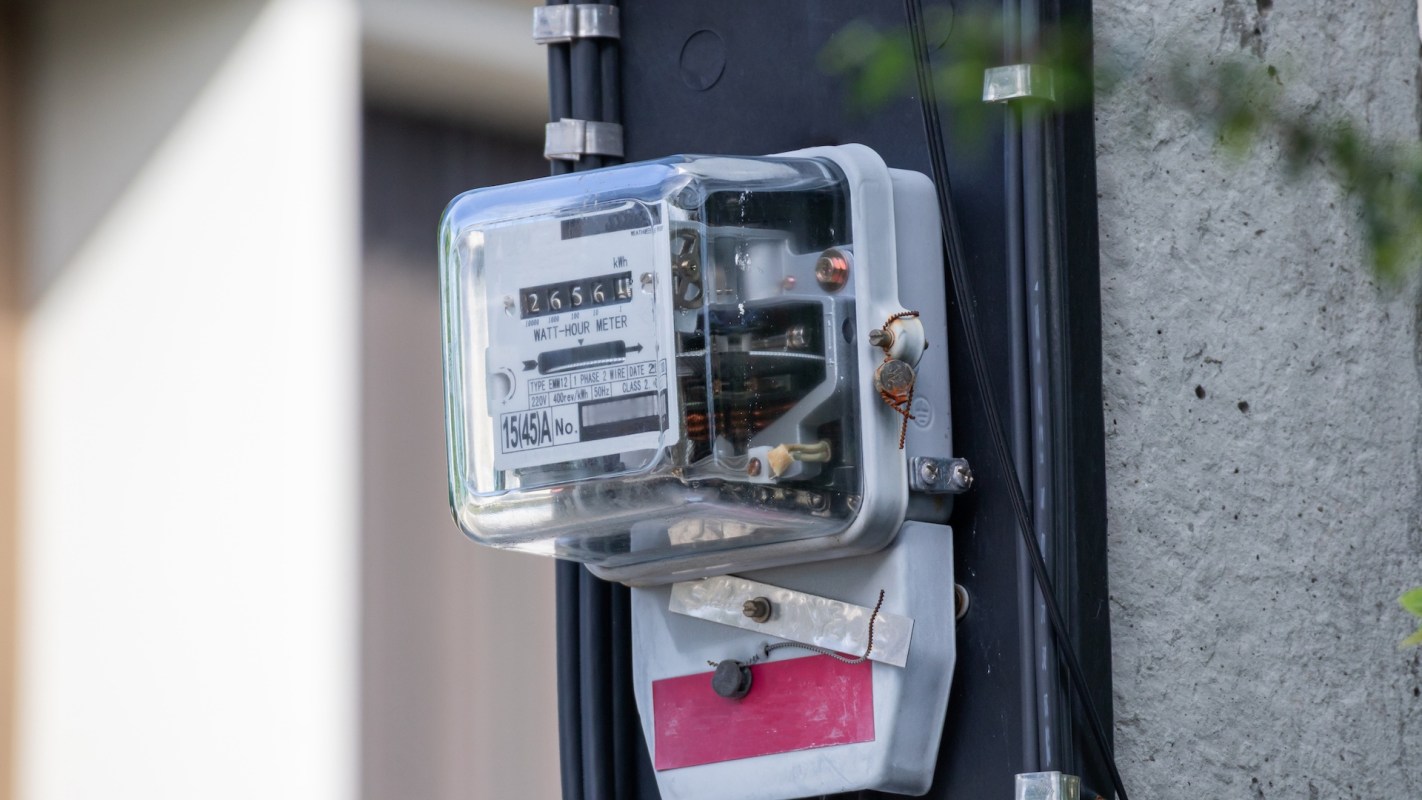
The watchdog group further disputed two other buckets of spending: $209.4 million to replace smart meters that are still working and not yet fully paid off, and another $124 million in electric-vehicle charging costs based on assumptions CUB said do not hold up.
Those objections sit in tension with comments Exelon CEO Calvin Butler made in February, when he said customers would be protected "regardless of market conditions" and that major energy users such as data centers would "pay their fair share of the grid investments needed to support them."
Why does it matter?
Because ComEd is a monopoly utility, any spending increases approved by regulators could translate into higher monthly bills for families and small businesses.
That pressure comes at a time when many households are already struggling with rising costs for housing, groceries, and summer cooling.
While grid upgrades can be necessary, consumer advocates argue that ratepayers should not be left footing the bill for oversized budgets, premature equipment replacements, or planning built around worst-case scenarios.
Another major concern is how parts of the proposal were classified.
CUB identified $96 million in capital spending and another $18 million in operating expenses that ComEd placed in the "mandatory" category even though the watchdog viewed them as discretionary.
Under the Climate and Equitable Jobs Act, utilities must show that discretionary spending delivers benefits that outweigh the cost.
The gap between Exelon's public customer-first promise and ComEd's internal filing raises questions about whether corporate messaging matches business strategy.
What's being done?
Consumer advocates are already challenging the proposal through the regulatory process.
Advocates cut roughly $2 billion, about a quarter of the total, from ComEd's last grid plan before regulators approved it.
The Illinois Commerce Commission is now reviewing the new proposal, with a draft order expected in October and a final ruling due by the end of the year.
Regulators will determine whether ComEd's spending is necessary and whether large new power users should bear more of the cost.
Exelon has promised to protect customers "regardless of market conditions," but CUB says "ComEd hid these expenses in the mandatory category to skirt the CEJA mandate of having to prove that the benefits of discretionary spending outweigh the costs."

Get TCD's free newsletters for easy tips, smart advice, and a chance to earn $5,000 toward home upgrades. To see more stories like this one, change your Google preferences here.