


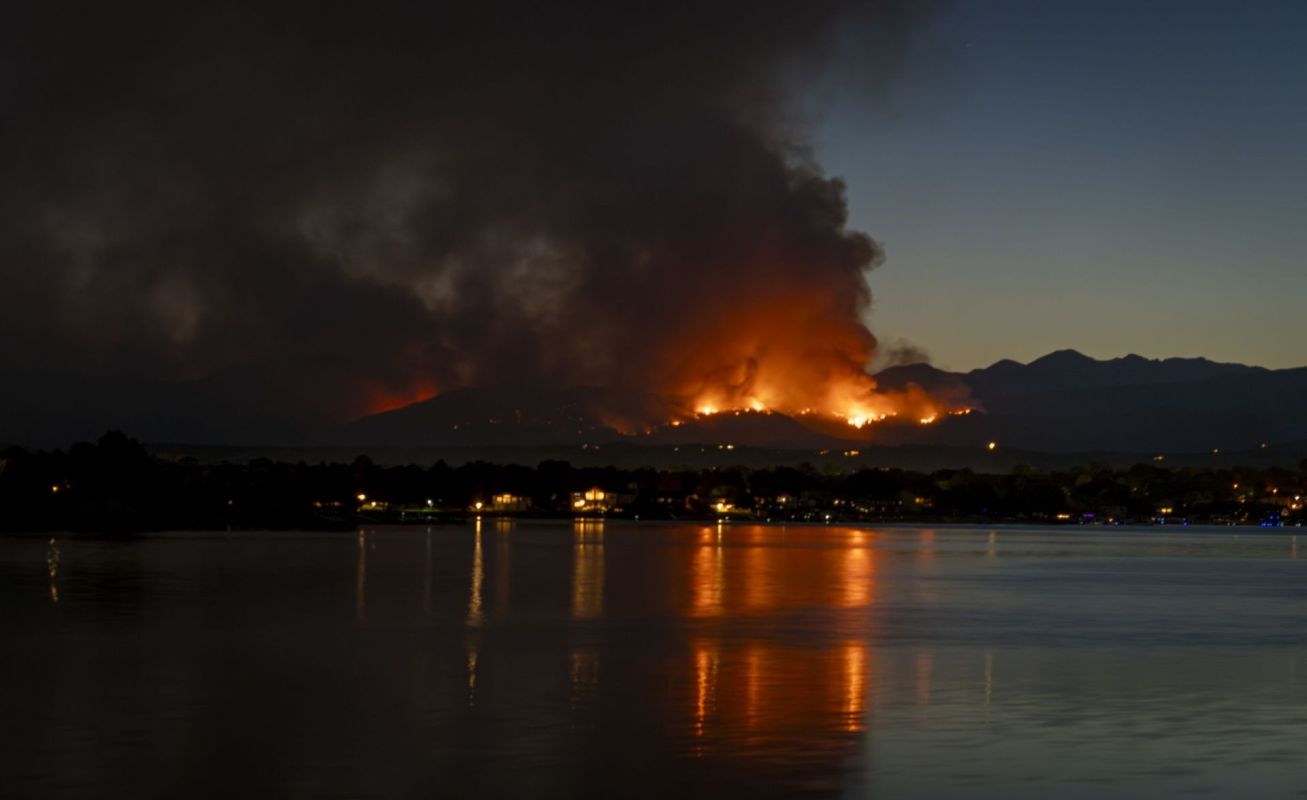
A new lawsuit is adding pressure to a Southern Colorado electric co-op after the Aspen Acres fire, one of the most destructive wildfires in state history, devastated homes, land, and livelihoods.
The suit comes from seven Pueblo County residents, who say San Isabel Electric Association did not do enough as wildfire danger escalated before the June 29 fire.
Here's what to know
Filed Thursday in Pueblo County District Court, the complaint says the fire may have ignited in two locations, one on each side of State Highway 165, beneath San Isabel equipment, according to The Colorado Sun. It joins at least three other lawsuits accusing the co-op of starting and spreading the blaze.
Authorities have called the wildfire human-caused, but they have not publicly identified the ignition source or released the results of an investigation. The blaze burned over 100,000 acres across four counties, making it Colorado's seventh-largest wildfire and destroying at least 850 structures, including 300 or more homes.
The residents' attorneys argue that trees or other overgrown vegetation fell onto energized lines in places they say San Isabel failed to maintain properly. The filing also says a piece of the co-op's line equipment was found on the ground near one suspected ignition point and appeared to show arcing, the Sun reported.
The complaint says San Isabel was aware that wildfire risk was increasing in its service area yet did not safely maintain and operate its system even as red-flag warnings predicted critically low humidity and wind gusts of 30 to 45 mph.
TCD Picks » Quince Spotlight
💡These best-sellers from Quince deliver affordable, sustainable luxury for all




"The forecast proved true — but San Isabel appears to not have heeded the forecast or taken appropriate measures to mitigate the risk," the attorneys wrote, per the Sun.
More background
The plaintiffs are seeking compensation for property losses; crop and timber damage; injuries such as smoke inhalation; and mental-health harms including anxiety, depression, and the loss of community.
After evacuating, Robyn Armijo and Richard Rocha returned to their Rye property to find melted structures, ash, and destroyed family keepsakes, according to the complaint, as the Sun detailed. Armijo lost handmade blankets and dolls made by her late mother. Rocha also lost a collection of more than 500 signed sports jerseys, sneakers, and hats. Their cat, Wacky, was never found after they left.
For Maureen de Jongh and Michael de Jongh, both retired, the losses continued after the fire itself. Though their Beulah property remained standing, later debris flows from heavy rain damaged a well, landscaping, fencing, and other belongings. A prospective buyer backed out, and a bear killed the couple's 12 chickens while they were unable to return home during the evacuation.
What's being done?
The push for accountability is unfolding in court. This lawsuit, along with the others, centers on whether San Isabel followed its own wildfire mitigation policies and whether other safety measures should have been taken before dangerous weather arrived.
Those measures can include more aggressive vegetation management near power lines, better equipment inspections, and operational changes during extreme fire weather. In some high-risk areas, utilities have increasingly faced scrutiny over whether they should de-energize lines or take other emergency precautions when red-flag conditions take hold.
Utility decisions can shape whether a spark becomes a catastrophe, especially when aging or poorly maintained infrastructure is involved.
San Isabel has not commented on the allegations.
"This event has had a significant impact on many people, and our thoughts remain with those affected. Our focus remains on serving the membership and supporting community recovery," Paris Daugherty, a spokesperson for San Isabel Electric Association, said via email, according to the Sun.
Where can I learn more?
Utilities across the West are under pressure to prepare for dangerous wildfire conditions.
• In California, critics said utilities pursued the most expensive, least effective wildfire prevention planning possible.
• Across the West Coast, utilities increasingly deliberately cut power during dangerous fire weather.
• Forecasters are deploying a new system to sharpen wildfire warnings before winds and humidity worsen.
• In British Columbia, residents sued FortisBC over an alleged deceptive practice around renewable gas.
• California communities battled over proposed fire prevention regulations requiring more defensible space around homes.

Get TCD's free newsletters for easy tips, smart advice, and a chance to earn $5,000 toward home upgrades. To see more stories like this one, change your Google preferences here.






