


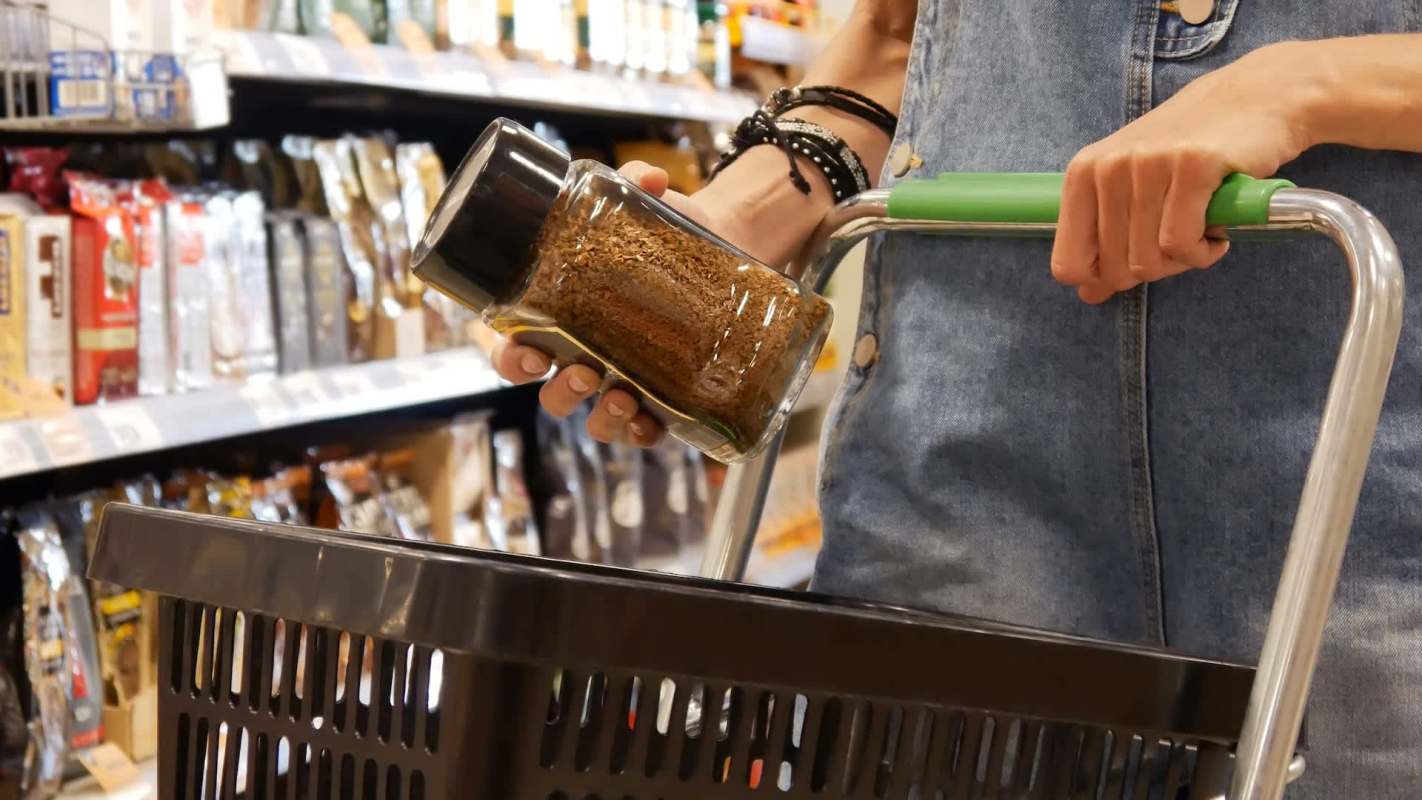
Coffee and cocoa sold in Great Britain could face mandatory supply-chain checks, as the U.K. government works to keep products linked to illegal forest clearance out of everyday shopping baskets. Businesses dealing in palm oil, soy, timber, rubber, and cattle would also be responsible for checking where those goods come from.
Here's what to know
Under new rules, businesses would have to rule out links to illegal forest clearance abroad by tracing the origins of the commodities they handle, according to PUNCH. Britain's Department for Environment, Food and Rural Affairs sought input from companies, environmental groups, and international stakeholders through a consultation announced on Nov. 11.
Existing legal powers, including those in the Environment Act 2021, would underpin the proposed mandatory due diligence requirements. Another part of the consultation has focused on strengthening the UK Timber Regulation.
More background
The government estimated that U.K. consumption of deforestation-linked goods was associated with roughly 71,660 acres (29,000 hectares) of worldwide forest loss in 2023 — about 1.5 times the size of Manchester, according to PUNCH. That consumption also produced an estimated 10.4 million tons (9.4 million metric tons) of carbon emissions.
The production of soy and palm oil can involve illegal seizures of forested land or unlawful clearance. These commodities are used in everyday products including chocolate, cooking oils, toiletries, and cosmetics. Beyond the loss of trees, deforestation threatens valuable wildlife habitats and contributes to rising global temperatures.
"We cannot tackle climate change without acting to protect the world's forests, which contain some of our planet's most valuable wildlife and habitats," said Angela Eagle, the Environmental Secretary, per PUNCH.
TCD Picks » Quince Spotlight
💡These best-sellers from Quince deliver affordable, sustainable luxury for all




What's being done?
The proposal would support a commitment the U.K. made with 144 other countries at Glasgow's COP26 climate conference in 2021. Those nations pledged to end forest loss and land degradation and to reverse both trends by 2030.
To help meet these goals, the government has aimed to ensure that supply chains meet a standard that excludes deforestation. The government has also sought to coordinate the requirements in Great Britain with Northern Ireland's arrangements, reducing avoidable paperwork while safeguarding the domestic U.K. market and supporting export-driven growth.
Phased implementation of the European Union's Regulation on Deforestation-Free Products in Northern Ireland would begin on Dec. 30, 2026, reflecting Northern Ireland's access to both the U.K.'s internal market and the E.U.'s single market.
In order to ensure compliance, the U.K. government encouraged businesses to prepare their supply chains before implementation takes effect.
"British consumers want to feel confident that the everyday goods they buy are not driving devastating illegal deforestation abroad, and so we are stepping in to give them that certainty," Eagle said, per PUNCH. "This government is determined to stamp illegal deforestation out of U.K. supply chains for good and show global leadership on tackling the climate and nature crises."

Get TCD's free newsletters for easy tips, smart advice, and a chance to earn $5,000 toward home upgrades. To see more stories like this one, change your Google preferences here.






