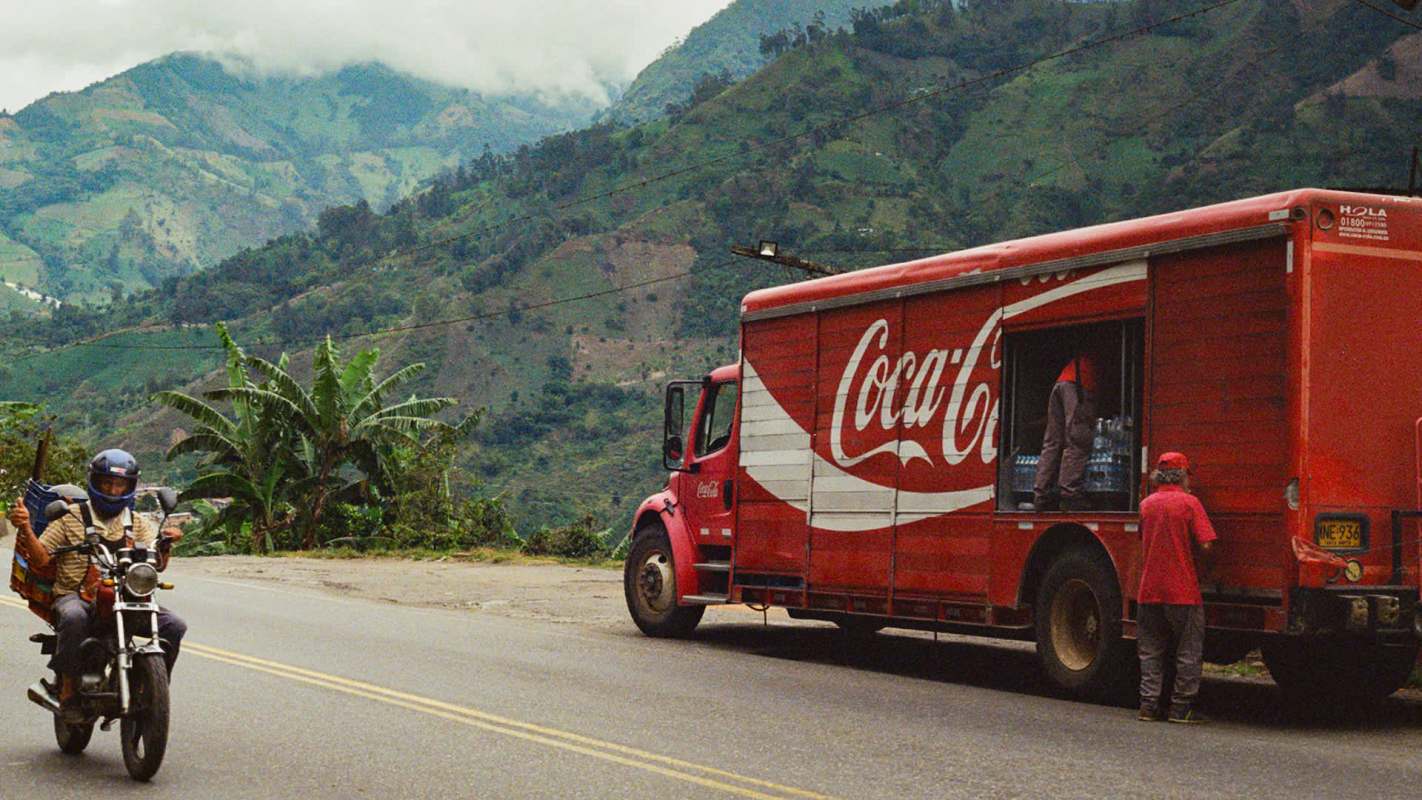
A Coca-Cola bottling subsidiary in La Calera, near Bogotá, kept drawing water from local springs to bottle and sell across Colombia, while residents went for days each month without water during a punishing drought.
That frustrating contrast set off a local organizing push that ended in a rare win for people fighting to protect community water supplies, as the Guardian reported.
What happened?
Bogotá depends heavily on the Chingaza region for drinking water, and La Calera is located near the reservoir system that provides roughly 70% of that supply, the outlet noted.
During a severe 2024 drought linked to El Niño, the reservoirs fell to a record low of 15%, as the Guardian recounted.
While the outlet noted that residents were subjected to monthly water cuts lasting as long as 15 days, Indega, a Coca-Cola FEMSA subsidiary, continued to draw water to bottle and sell as Agua Manantial.
"They asked us – the people – to ration water but not the companies," local resident Alexander Hernández told the Guardian.
TCD Picks » EDF Spotlight
💡EDF's Vital Signs newsletter delivers stories about game-changing solutions close to home and around the world

Anger over that disparity grew into a campaign to stop the company from getting its concession renewed, per the publication.
Campaigners also highlighted what they saw as an unfair pricing gap. Indega paid 120 pesos per cubic metre for the water it took, while households paid between 697 and 3,720 pesos, depending on income, the Guardian revealed.
Why does it matter?
For many people in La Calera, the issue came down to a simple question of fairness.
Speaking with the Guardian, local councilor Javier Cifuentes recalled neighbors asking, "Why is there no water in my house, if we always had it on tap?"
TCD Picks » Quince Spotlight
💡These best-sellers from Quince deliver affordable, sustainable luxury for all




The fight also revealed deep divisions within the town.
The Guardian reported that some residents backed the plant because of the jobs and infrastructure it provided. The company also made sure to undertake positive projects in the community, like painting a local school and installing water filters as complaints mounted, per the outlet.
Critics, however, saw those efforts as reputation management and as a "charm offensive" rather than real accountability, according to the Guardian. That is the kind of practice consumers can more easily spot by understanding greenwashing.
The conflict unfolded in a country long seen as one of the world's most dangerous for environmental defenders, and campaign leaders told the Guardian they were met with threats, harassment, and intimidation.
What's being done?
After months of legal organizing, public pressure, and review of official documents, the Guardian reported that the regional autonomous corporation (CAR) decided to renew Indega's permit, but with much tougher limits.
In April, authorities lowered the company's extraction allowance from 3.23 liters per second to 1.9 liters per second, per the outlet.
The Guardian revealed they also cut the number of springs available to the company from seven to four, reduced the concession term from 10 years to five, and allowed the permit to be suspended during severe droughts.
Community leaders kept the issue in view through public meetings, legal petitions, murals, marches, and workshops, as the publication noted.
"We will keep fighting until not a single millilitre of water in the Chingaza is exploited by a multinational corporation," Cifuentes declared to the Guardian. "This is what I was born for."

Get TCD's free newsletters for easy tips, smart advice, and a chance to earn $5,000 toward home upgrades. To see more stories like this one, change your Google preferences here.
Cool Picks