


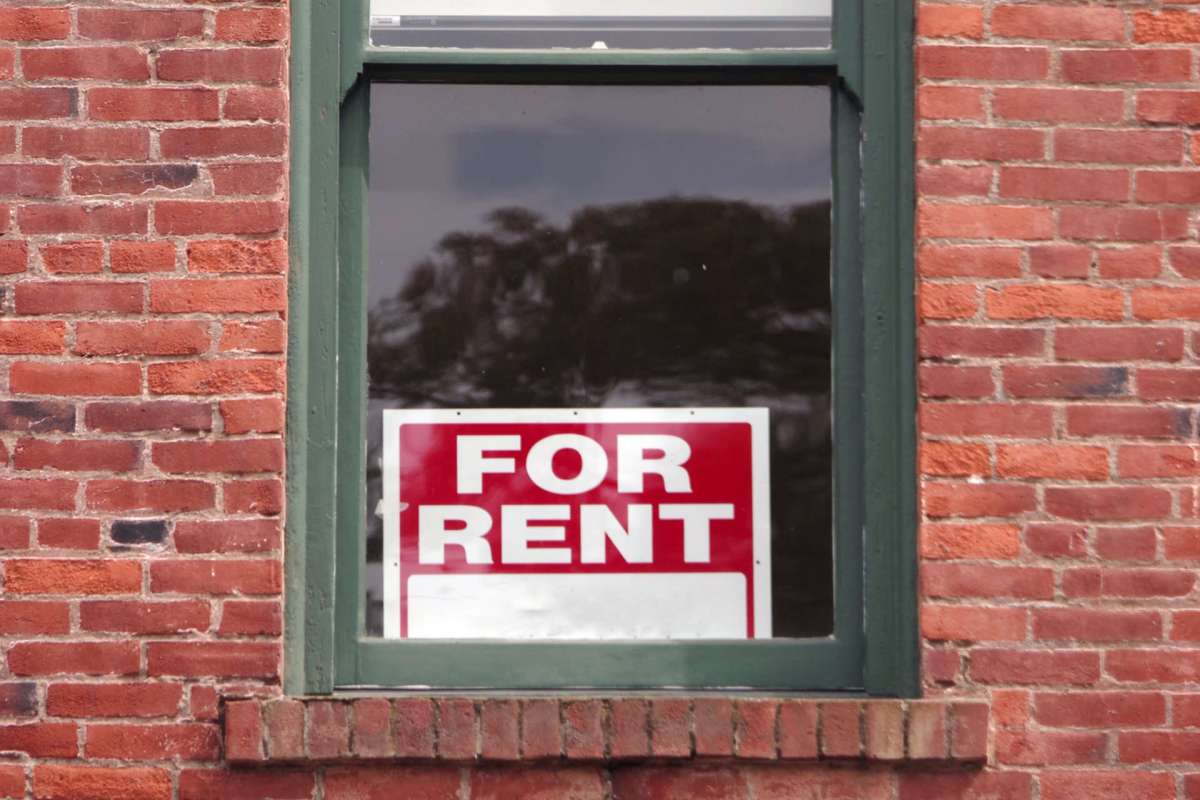
More than 100 homes in Cleveland are deteriorating and sitting vacant, and city officials are increasing the pressure on the owners to do something about it.
Here's what to know
Baltimore-area landlord Riparian Capital Partners bought 172 homes in Cuyahoga County last year, and officials say about 80% of them appear to be vacant.
Public records show that nearly all of the 172 Cuyahoga County homes that Riparian Capital Partners bought for about $9 million are in Cleveland, The Baltimore Banner reported. The Mount Vernon firm ranks among Baltimore's biggest landlords.
Cleveland has issued 101 notices of violation and 191 civil tickets tied to Riparian-owned properties, while Signal Cleveland reported that about 4 in 5 of the homes are visibly vacant.
Housing advocates say problems extend beyond the empty houses, with some occupied properties in the portfolio also in poor condition, and the city has repeatedly brought the company to Cleveland's housing court.
The Association of Community Organizations for Reform Now (ACORN) and the Vacant and Abandoned Property Action Council sent members of Progressive Maryland to Riparian's headquarters. When no one answered the door, they left behind a report from ACORN and the Cleveland vacant property council.
TCD Picks » Quince Spotlight
💡These best-sellers from Quince deliver affordable, sustainable luxury for all




More background
County property records show Riparian used the Cuyahoga County homes, along with a Michigan portfolio, to secure a $35 million loan. Public records cited by The Baltimore Banner put the Cleveland-area purchase at about $50,000 per home.
Riparian CEO Kristoffer Garin told the Banner that part of the financing was supposed to go toward improvements, but the company determined the homes were in far worse condition than the seller had claimed.
"This is a large fraud that we were the victim of," Garin said. He added that the company is lining up a potential buyer and will likely take a loss on the Cleveland investment.
Baltimore looks very different for the company. The Banner cited public records showing that Riparian began assembling its portfolio there around 2021, and it now holds 683 homes in Baltimore through a maze of limited liability companies. Just 20 of those properties, less than 3% of its Baltimore holdings, carry vacant building notices.
Landlords' decisions about upkeep and property rules can directly affect monthly costs and quality of life. Around the country, some landlords have faced criticism for blocking renters from adopting money-saving lifestyle changes, such as gardening or hanging clotheslines to dry their laundry.
What's being done?
Cleveland's response has included housing-court cases and formal enforcement actions, with the city issuing violation notices and civil tickets over the vacant homes.
Pressure is also coming from outside Ohio. Progressive Maryland's visit to Riparian was meant to put the group face-to-face with the company's owners, and the document left behind came from ACORN and Cleveland's vacant property council.
For its part, Riparian says it's trying to exit the Cleveland market, with a sale of the portfolio already in the works.
For readers dealing with restrictive housing rules of their own, collective action can make a difference. If you're trying to work with a landlord or neighborhood association to change established rules, including rules that block money-saving practices, check out these resources on changing HOA bylaws.
"If you think you can come in and buy properties and do nothing with them, think again," Sally Martin O'Toole, Cleveland's top housing official, told News 5 Cleveland.
Where can I learn more?
Disputes over property upkeep, renter rights, and local code enforcement take many forms. These stories look at landlords, HOAs, and neighbors clashing over gardening, maintenance demands, and city code complaints.
• Some renters are pushing landlords to let their tenants garden and support lower-cost food growing.
• Elsewhere, neighbors have filed city complaints over mild property issues, drawing backlash.
• One renter said an HOA's outrageous demand regarding property left them refusing photo updates.
• Residents have even floated new city regulations for housing developers over tree replacement rules.
• Some homeowners now say a new way of life helps them escape strict yard rules.

Get TCD's free newsletters for easy tips, smart advice, and a chance to earn $5,000 toward home upgrades. To see more stories like this one, change your Google preferences here.






