


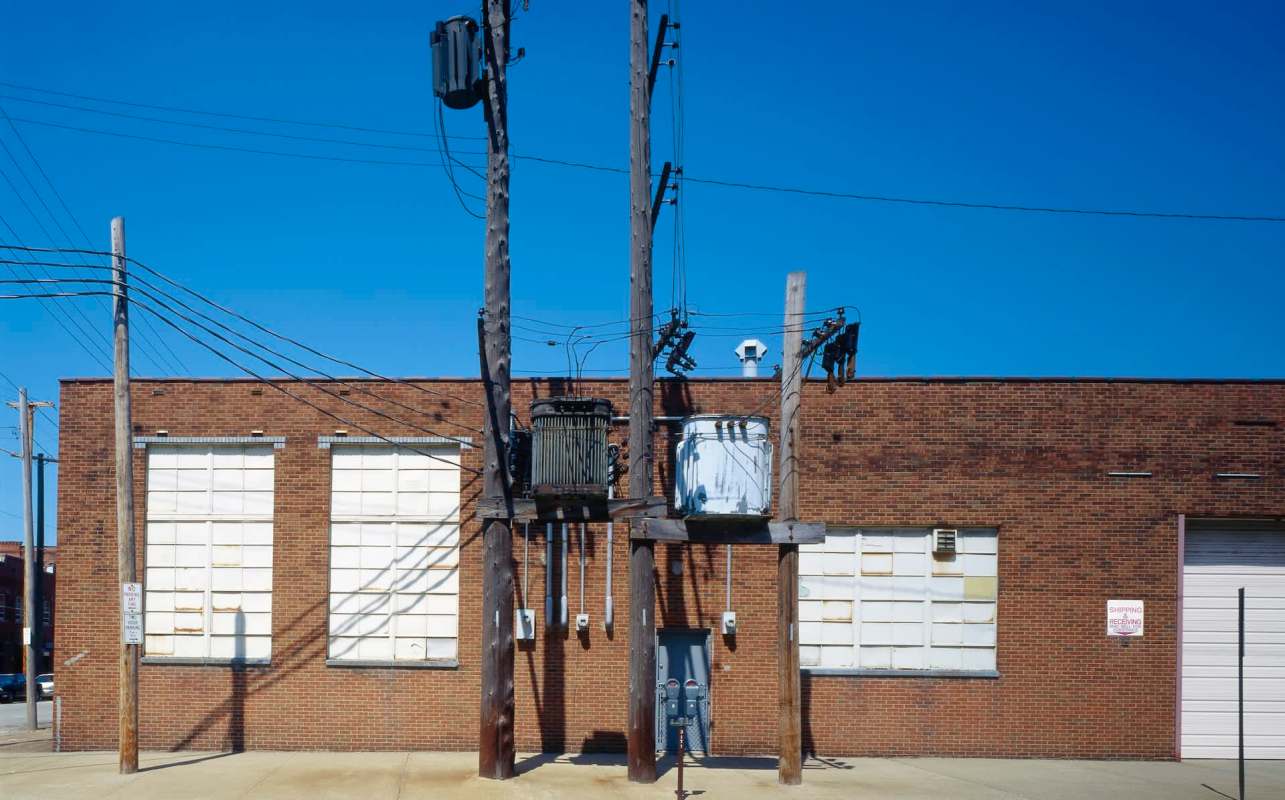
Cleveland Public Power asked city leaders to approve a new pricing system that would add a flat monthly fee, lower the threshold for higher electric rates, and lock in increases through 2029.
Here's what to know
The legislation introduced in September would remake residential billing if the Cleveland City Council passes it, with the first changes coming in 2027 and additional increases scheduled for 2028 and 2029, Signal Cleveland reported.
The plan would pair a fixed monthly charge with three usage brackets. The first 250 kilowatt-hours would be billed at one rate, the next 250 kWh at a higher one, and all use above 500 kWh at the top rate.
CPP now uses a two-tier system, charging one rate through 1,000 kWh and another above that. Under the proposal, customers would reach pricier electricity rates much sooner.
The company has not provided an estimate for the typical customer's increase. However, Signal Cleveland said there would be a $7 to $8 increase in summer 2027, while the winter 2027 change compared with winter 2026 could be over $1.
More background
CPP serves city residents, and electricity is not an optional expense. A new fixed monthly charge, combined with the different usage tiers, could put the greatest strain on families during the hottest months, when air-conditioning use drives up electricity consumption.
TCD Picks » Quince Spotlight
💡These best-sellers from Quince deliver affordable, sustainable luxury for all




The rate push follows months of complaints about outages. According to Signal Cleveland, Commissioner Ammon Danielson told residents at an Ohio City meeting that CPP needs system upgrades and that customers would pay for them.
Investing in infrastructure can create a more reliable grid, but asking customers to pay more over several years can increase financial pressure on households already dealing with broader affordability challenges.
Mayor Justin Bibb said Cleveland was facing a "cost-of-living crisis," per Signal Cleveland. Against that backdrop, even a relatively modest utility increase would make it harder for families to keep up with housing, food, and energy costs.
What's being done?
The measure was pending, and no new residential rate schedule can take effect unless the City Council approves it.
CPP presented the proposal as a way to cover the cost of running and improving the public utility. It said the added revenue would go toward electric service, infrastructure, and other community needs, not private profit.
"Cleveland Public Power is a publicly owned, not-for-profit utility with a mission to serve the people of Cleveland," Spokesperson Marie Zickefoose wrote in a text message, per Signal Cleveland. "Our rates support the cost of providing electric service, maintaining essential infrastructure, and meeting the needs of the community we serve."

Get TCD's free newsletters for easy tips, smart advice, and a chance to earn $5,000 toward home upgrades. To see more stories like this one, change your Google preferences here.






