


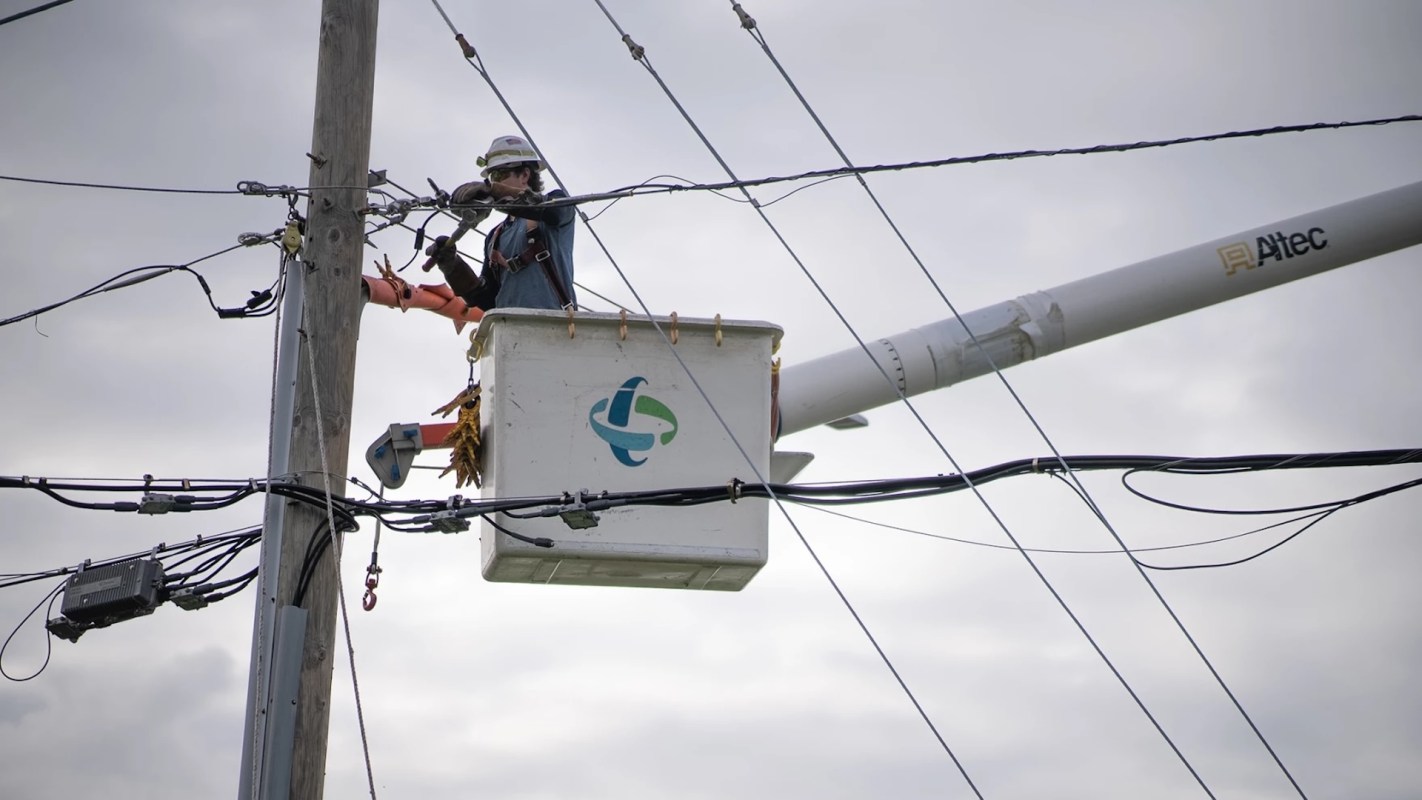
Clearwater officials wanted to provide public utilities to its residents in a bid to alleviate high energy costs coming from the private sector.
However, Clearwater appears poised to extend Duke Energy Florida's role for another 30 years, despite the ongoing complaints about rising electric bills and storm-related reliability.
By unanimous vote, the council advanced an agreement that disappointed some residents who wanted Clearwater to keep pursuing a publicly owned utility.
What happened?
After conducting a feasibility study and appraisal of the costs associated with a public utility, Council members approved an ordinance for a new franchise agreement and memorandum agreement with Duke Energy Florida. The move puts Clearwater closer to another three-decade arrangement with the investor-owned utility.
That vote came after about two years of city work aimed at determining whether a municipal electric system might lower costs for residents.
According to WUSF, the city pursued a feasibility review and appraisal while staff were also negotiating with Duke, and the proposed agreement includes a utility-funded community action plan.
TCD Picks » Quince Spotlight
💡These best-sellers from Quince deliver affordable, sustainable luxury for all




A Duke representative told council members: "You've all brought different things to the table from downtown revitalization, utilization of Coachman Park, improvements of critical city infrastructure, on top of the hundreds of millions of dollars of investment that Duke Energy has already done and will continue to do."
Although Duke Energy seems to be open to the city officials' requests, public commenters asked the council not to move ahead so quickly.
Clearwater resident Jason Scott said, "I think the next step after getting the appraisal would have been maybe public education and discussion around those results, and why there would be any conflicts, and why we would look into going back to a 30-year agreement."
Why does it matter?
City officials argued that leaving Duke now could burden taxpayers with substantial costs, including legal expenses and the operating demands of starting a city-run utility.
Mayor Bruce Rector said, "The immediate cost over the next several years in trying to transition to a municipally owned electric service, all those attorneys' fees — and they were going to be significant — it was going to cost our taxpayers a lot of money."
Critics, however, argued that walking away from the public-power option could limit Clearwater's ability to build a more affordable and responsive system in the future.
Longtime Clearwater homeowner Lori Green pointed to her own experience after a Duke power pole came down onto her roof last year.
"Who holds this group accountable? We're looking at 30 years. If this is how they're dealing with their customers now — I'm a customer … pay my bill every month — what can we look forward to?" she questioned.
What's being done?
The agreement has not taken effect yet.
Before it becomes official, the council must hold a second ordinance reading and vote once more.
Scott told the council, "I'm in support of public power when it comes to reliability and affordability. Even Key West has better reliability than Duke Energy across the state of Florida, which seems ridiculous."
Elsewhere in Florida, St. Petersburg last month approved funding to study alternatives to Duke Energy before its own contract ends in August, a sign that some cities are still weighing other ways to serve residents.
"The immediate cost over the next several years in trying to transition to a municipally owned electric service ... was going to cost our taxpayers a lot of money," Rector said. But residents like Green are still asking, "Who holds this group accountable?" And perhaps the heaviest part of the proposed deal: "We're looking at 30 years," which is equivalent to 360 payments per household.

Get TCD's free newsletters for easy tips, smart advice, and a chance to earn $5,000 toward home upgrades. To see more stories like this one, change your Google preferences here.






