


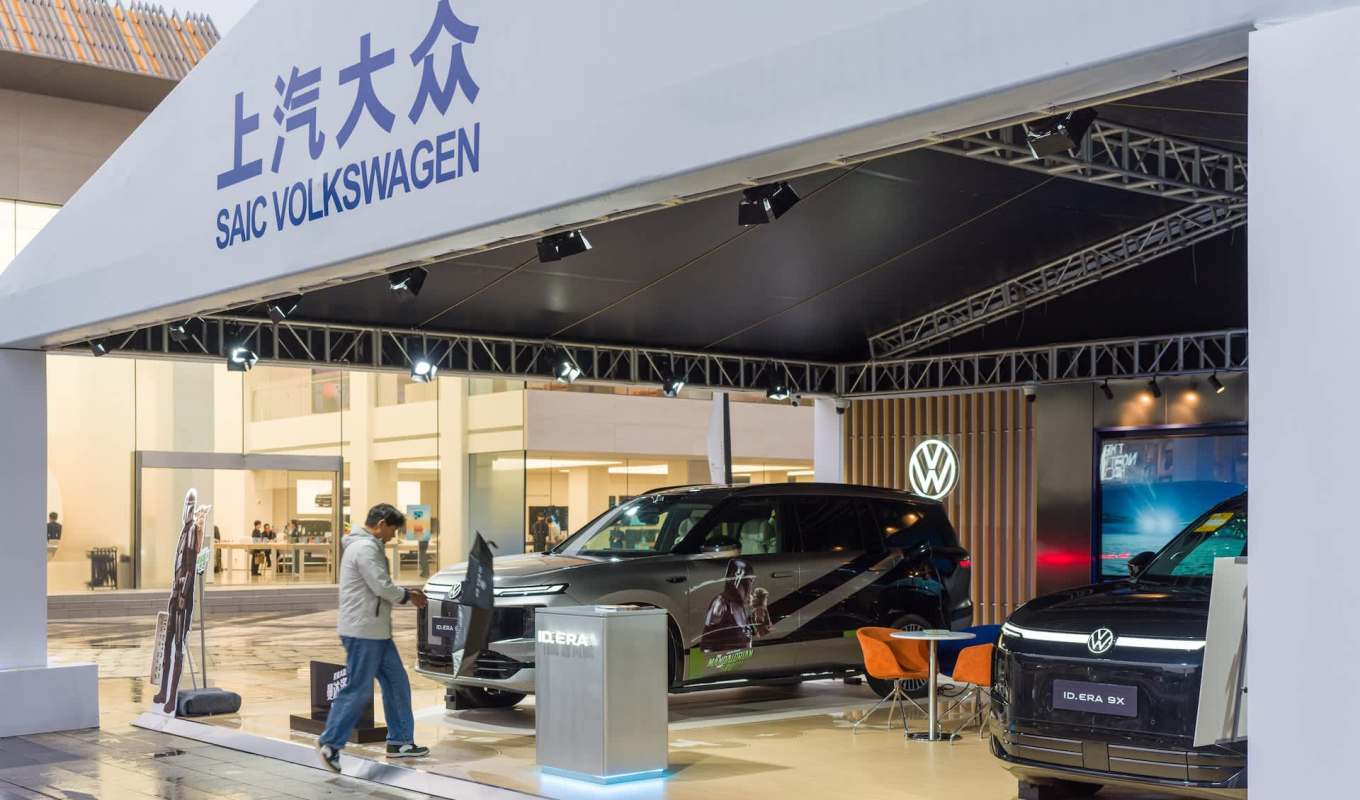
China's shift away from gas-powered cars has reached a point where electric, hybrid, and fuel cell vehicles are now expected to combine for a record 70.6% of China's passenger car retail sales in November.
Here's what to know
Total passenger vehicle sales are forecast at roughly 1.63 million, a monthly decline of 1.1%, according to CNEVPost. The China Passenger Car Association's November forecast called for about 1.15 million retail purchases of new energy vehicles, or NEVs — which are generally defined as any non-conventional gas-powered vehicle, such as pure EVs, hybrids, and still-rare hydrogen fuel cell vehicles.
That mark would put NEVs above 70% of monthly retail sales for the first time, surpassing October's record of 67.5%.
Weakening demand for internal combustion engine vehicles explains much of the changing sales mix, the association said. NEVs nevertheless remain the main support for the subdued auto market.
Some shoppers had already bought cars during automakers' late-October sales push, leaving less demand at the beginning of November. The month got off to a slow start, with passenger vehicle sales averaging 37,000 per day during Nov. 1-8.
Daily sales then rebounded to 45,000 during Nov. 9-15 as shopping promotions and previously accumulated orders translated into deliveries.
TCD Picks » Quince Spotlight
💡These best-sellers from Quince deliver affordable, sustainable luxury for all




More background
According to China's National Bureau of Statistics, total consumer-goods retail sales rose 1% year over year during January to October, while automobile retail sales fell 15.5%. In October alone, the auto category's decline reached 21.4%.
By midmonth, however, sales had fallen well short of the usual pace for that point in the season, especially among gas-powered vehicles, CNEVPost reported. Most leading automakers had been aiming for ambitious year-end targets, the association found in its November survey.
Fading benefits from stimulus measures, together with weak household demand following a boom in sales of new cars that are still on the road, explain the broader slowdown, the association said.
Limited customer demand is only part of the problem. Low profitability has also discouraged dealers from helping manufacturers reach their sales targets.
Despite automakers' plans to send more inventory to dealerships, the association expected dealers to meet only a small share of their November targets, CNEVPost reported.
What's being done?
A smooth transition between trade-in subsidy policies has supported sales, the association said. New model launches have also kept NEV order backlogs ample and retail sales relatively resilient.
Discount campaigns tied to the "Double 11" shopping festival lifted sentiment slightly, according to CNEVPost, though they did not produce sustained momentum.
As those campaigns wound down, the association projected daily passenger vehicle sales of about 46,000 during November 16-22, down 35.2% from a year earlier.
Daily retail sales could reach their highest level for the month at 87,000, though that would still be 23.4% below the year-earlier level. The association expected manufacturers and dealers to step up both inventory shipments and customer deliveries during Nov. 23-30.
Data released by the association on Nov. 18 showed NEVs gaining market share despite falling sales. During the Nov. 1-15 period, NEV retail sales reached 447,000, down 13% year over year but up 7% from the comparable October period. They accounted for 73.2% of passenger vehicle sales.

Get TCD's free newsletters for easy tips, smart advice, and a chance to earn $5,000 toward home upgrades. To see more stories like this one, change your Google preferences here.






