


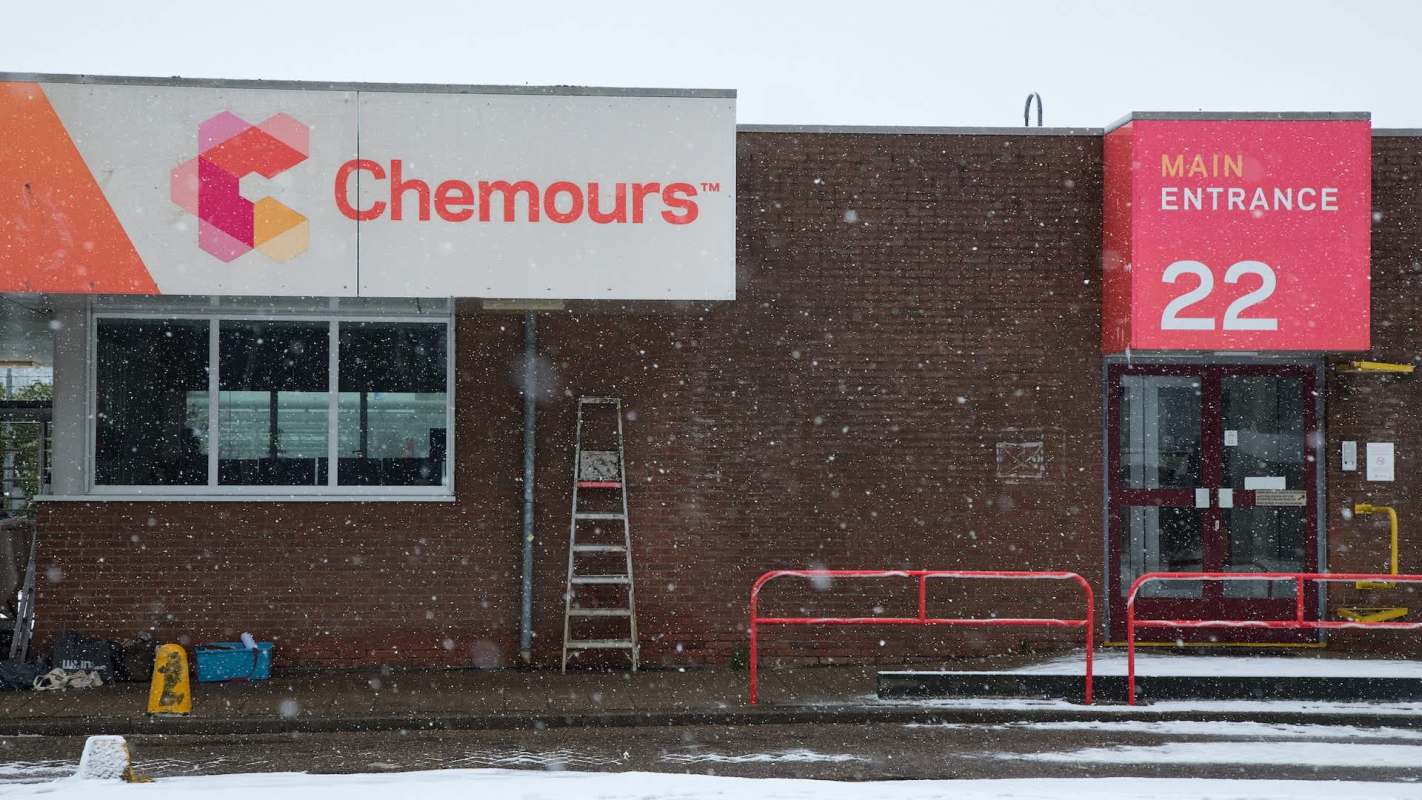
Federal and state regulators have secured a $450 million settlement from Chemours over its PFAS operations, involving toxic "forever chemicals" that can remain for years in water, soil, and people's bodies.
The agreement covers pollution linked to the company's plants in New Jersey, North Carolina, and West Virginia, and it is already drawing criticism from officials who say affected communities still are not getting enough protection.
What happened?
As CBS News reported, authorities say three Chemours facilities discharged PFAS into the Ohio, Cape Fear, and Delaware rivers for more than a decade, in violation of the Clean Water Act and local rules. Chemours, a Wilmington, Delaware-based spinoff of DuPont, agreed to resolve those allegations in what CBS described as the first federal enforcement action of its kind involving a PFAS manufacturer.
Under the settlement, the company will pay a $22.5 million civil penalty, commit $90 million over 15 years to cut PFAS discharges in New Jersey, North Carolina, and West Virginia, and spend an estimated $280 million on controls at its West Virginia plant and clean drinking water for nearby communities in West Virginia and New Jersey.
EPA enforcement official Jeffrey A. Hall said: "This first comprehensive federal settlement against a major PFAS manufacturer delivers on the Trump Administration's promise to make polluters pay and stop PFAS contamination at the source." Chemours said the settlement acknowledges steps it has already taken to curb pollution.
Why does it matter?
Because PFAS do not readily break down, they are often called "forever chemicals." They are used in military and industrial settings and in consumer products made to resist heat, water, oil, and grease, including nonstick cookware. That same durability is part of what makes them dangerous, and exposure has been associated with cancer, liver and kidney damage, developmental problems, and immune system disorders.
TCD Picks » Quince Spotlight
💡These best-sellers from Quince deliver affordable, sustainable luxury for all




When manufacturers release PFAS into major rivers, the consequences can move beyond plant boundaries to household taps and downstream communities.
Critics say this settlement does not go far enough. North Carolina Attorney General Jeff Jackson said, "This deal is an insult to the people of eastern North Carolina." He added, "Our state is ground zero for GenX contamination, but this deal does practically nothing to clean up our water." North Carolina Gov. Josh Stein also criticized the agreement, saying it leaves the state "with no guarantees."
What's being done?
The settlement calls for Chemours to install measures to stop PFAS releases from its West Virginia facility and to provide clean drinking water to communities near some of its sites. At the company's Fayetteville, North Carolina, plant, where state environmental and public health investigators say Chemours produces GenX, it may also have to add controls to reduce releases of PFAS and other chemicals, depending on an independent analysis.
Even with those requirements, Chemours is still allowed to continue making PFAS for commercial and military uses, which remains a central complaint among critics who see the company's business choices as part of an ongoing pollution problem rather than a finished one.
The company is also facing other legal pressures. In 2025, a federal judge told Chemours to stop releasing unlawful levels of toxic chemicals, including PFAS, into the Ohio River from its Washington Works plant in West Virginia. Separately, DuPont, Chemours, and Corteva agreed last year to pay New Jersey up to $2 billion to settle environmental claims related to PFAS.
Chemours' critics have made clear that, for them, this is not enough. "Chemours made this mess, and Chemours should clean it up," Jackson said. Hall said regulators can "greatly reduce PFAS contamination of water, land and air and even begin to mitigate past harm."

Get TCD's free newsletters for easy tips, smart advice, and a chance to earn $5,000 toward home upgrades. To see more stories like this one, change your Google preferences here.






