


Sewer connection fees in Florida's Charlotte County have climbed to $17,596 as officials work to accommodate population growth and curb nitrogen pollution threatening Charlotte Harbor.
Here's what to know
Florida's Department of Environmental Protection designated Charlotte Harbor as impaired by nitrogen in 2020. In a 2023 decision, the department required sewage treatment plants serving areas with impaired waterways to remove most nitrogen and phosphorus by 2034, The Daily Sun reported.
The county adopted annual rate increases of 3.5%, with larger hikes possible under the Florida Public Service Commission index. Connection charges for new homes and households moving from septic tanks to sewer service can reach $17,596 for low-pressure systems, compared with $11,201 in 2019.
The upgrade costs are shared by 50,545 sewer customers, according to The Daily Sun. The projects draw funding from sales tax revenue, state and federal grants, and customers' service payments and connection fees.
Charlotte County Utilities officials had put needed water and sewer improvements at $1 billion. Utility spokesperson Stu Gooden did not say how much the treatment upgrades would cost.
More background
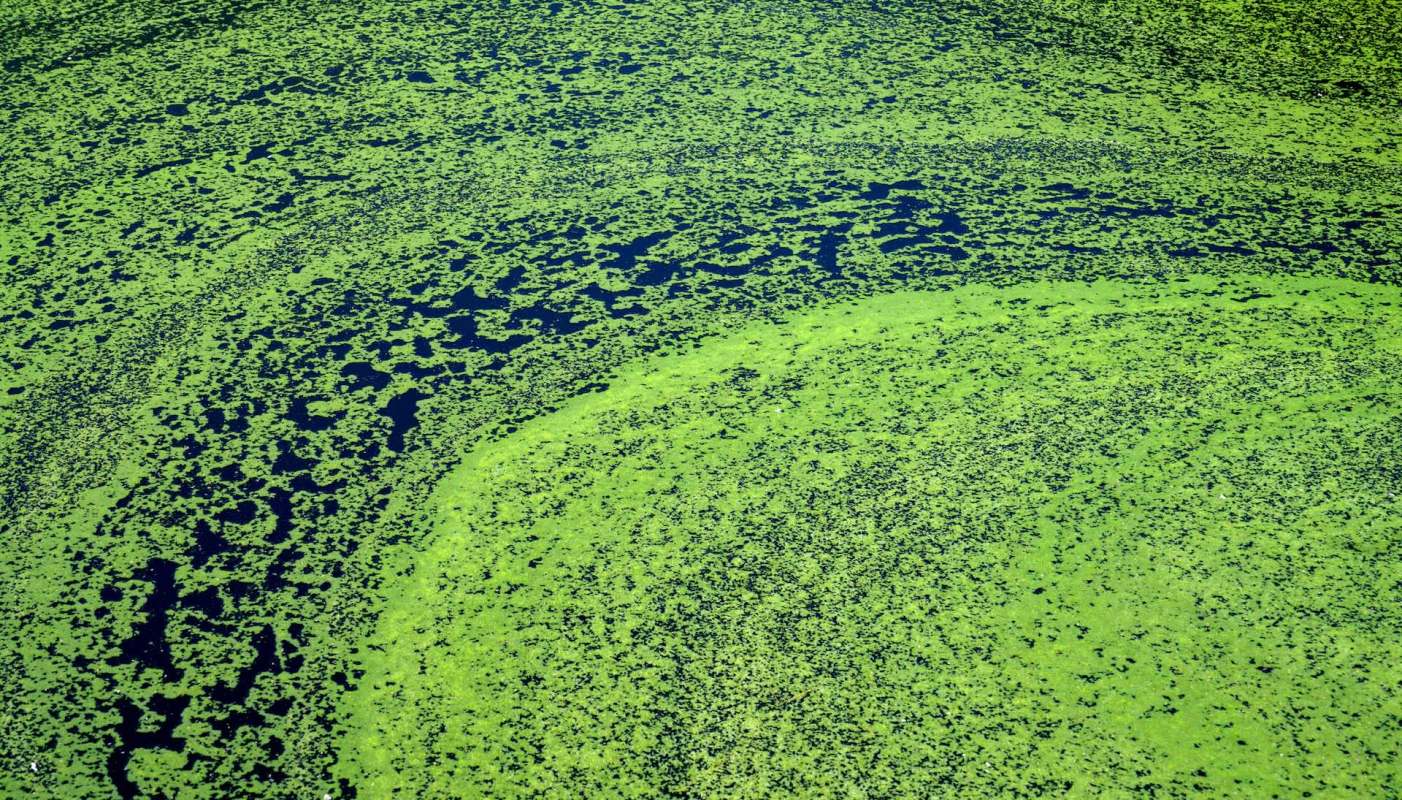
Nitrogen from human and animal waste and fertilizer feeds algae that can damage underwater habitats.
TCD Picks » Quince Spotlight
💡These best-sellers from Quince deliver affordable, sustainable luxury for all




Kate Rose, the University of Florida's Sea Grant agent in Charlotte County, said thick algae mats may have contributed to a 29% loss of harbor seagrass between 2018 and 2024.
In addition to providing shelter for clams and small fish, that seagrass helps support Florida's sport-fishing economy.
Rose noted that algae continued to grow near the meeting point of the Peace and Myakka rivers and the harbor during drought conditions. That growth raised concerns about pollution near development, even without major storms.
Rob Robinson, a marine biologist living in Cape Haze, questioned the requirement that households abandon septic systems while treatment plants still release high levels of nitrogen. The county targets the oldest and most outdated waterfront septic systems.
What's being done?
Charlotte County will gain its first plant capable of reducing nitrogen when the expanded East Port facility opens in early 2027. Gooden said the county would then upgrade Burnt Store, West Port, and Rotonda before 2034.
A July report cited by The Daily Sun recorded nitrogen readings as high as 0.0024 ounces per gallon (18 milligrams per liter) on some days. The state requires an average below 0.0004 ounces per gallon (3 milligrams per liter).
About 40% of the county's treated sewage goes into underground injection, while the remainder is sold for irrigation.
Ming Ye, a professor of hydrogeology at Florida State University, said he and his team are studying Charlotte County septic systems to better understand how nitrogen travels through different soils.
Gooden said the utility opposes altering or halting septic-to-sewer conversions before advanced treatment becomes available.
"I think advanced water treatment is a great solution. We've seen it work in Tampa. We've seen it in Indian River," Rose told The Daily Sun.

Get TCD's free newsletters for easy tips, smart advice, and a chance to earn $5,000 toward home upgrades. To see more stories like this one, change your Google preferences here.






