


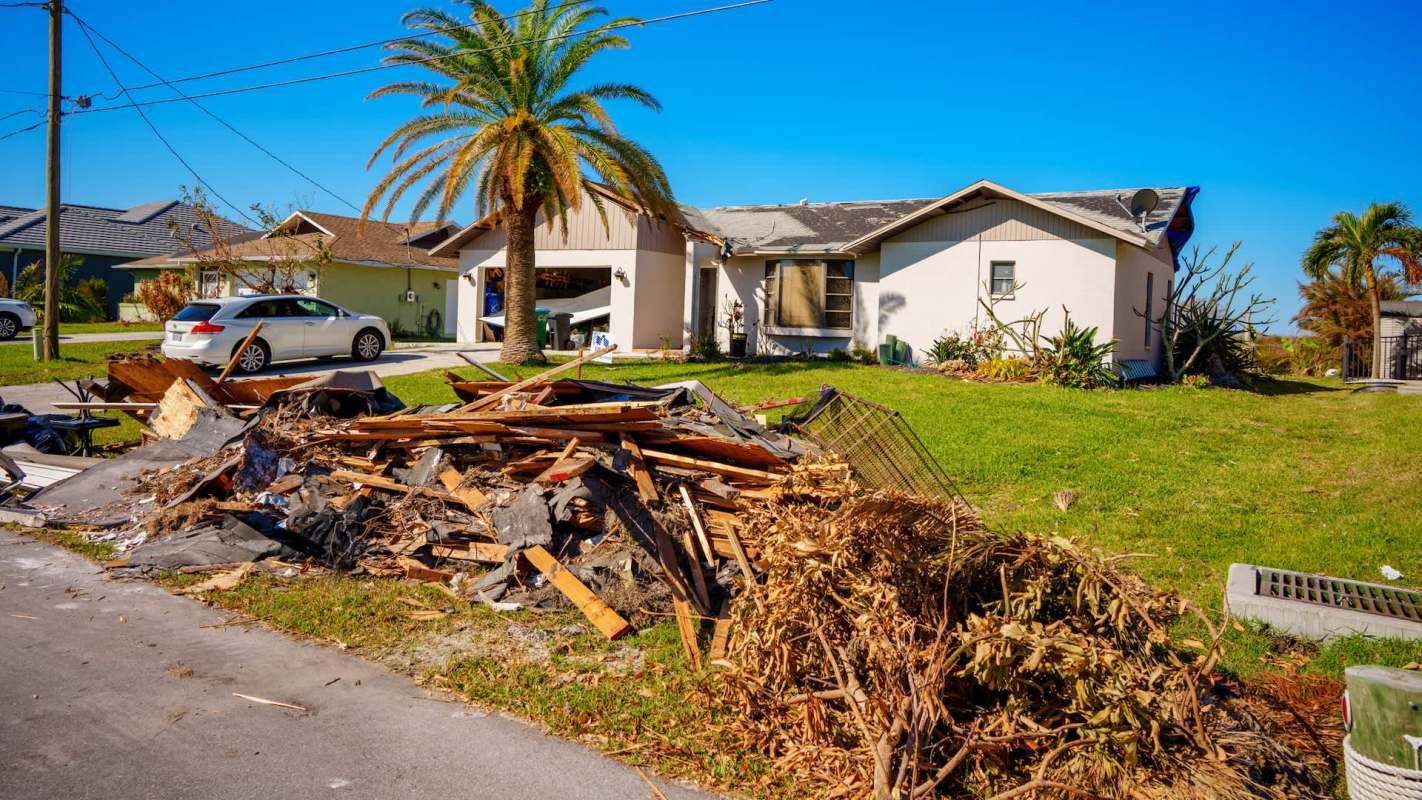
Charlotte County, Florida, says hurricane response and recovery have cost it $267 million, and almost $94 million of it is still unrecovered.
Here's what to know
According to YourSun, Charlotte County has received $145.6 million back from FEMA and other agencies. Even after shifting about $27.4 million from general funds, the county is still facing a $93.9 million shortfall, and it has submitted $6 million in FEMA appeals.
Assistant budget director Francine Lisby said, "We have not been successful in several of our appeals, including the soft cost for reconstruction projects. I believe that trend is going to continue for the remaining projects."
YourSun reported that, for hurricane costs dating from Irma through Milton, FEMA is expected to pay 61.75% of expenses. Charlotte County's share comes to 9.97% — about $33.3 million.
County Chairman Joseph Tiseo said, "I was thinking, if our total exposure with all those storms is 10%, that's pretty good."
More background
Local governments are often forced to spend heavily upfront on debris removal, repairs, reconstruction, and shoreline work, then forced to wait months or longer for reimbursements to be processed.
TCD Picks » Quince Spotlight
💡These best-sellers from Quince deliver affordable, sustainable luxury for all




Reserve funds can shrink, capital projects can be delayed, and public services can come under added pressure. Money that might otherwise go toward infrastructure, parks, or other local priorities can remain tied up in storm recovery.
After covering Milton and Helene obligations, beach work, and FEMA appeals, the county's disaster retention reserve is projected to stand at $8.8 million.
What's being done?
Charlotte County is trying to narrow the gap by shifting money internally while continuing to work through the FEMA reimbursement process. To help cover part of the storm bill, the county moved $20.6 million from the general fund and capital projects.
Charlotte County is still seeking FEMA reimbursement for fishing piers in its Capital Maintenance Plan, but Lisby said officials cannot yet estimate the shortfall because FEMA has not obligated any of those projects.
Roughly $3 million is available for the piers if FEMA reimbursement does not come through. That fallback plan could help prevent further delays, even if it does not completely resolve the county's recovery challenge.
County officials are continuing to release monthly financial updates. "These dollars and figures are changing regularly," Lisby said.
Charlotte County leaders appear to understand that the financial strain may not ease. Commissioner Bill Truex cut to the chase, saying, "We need more hurricane reserve money."
Where can I learn more?
The cost of storms playing out across Florida and beyond is becoming more relevant as extreme storms continue to increase globally.
• Congress approved over $100 billion for emergency relief after back-to-back hurricanes.
• Florida rejected multimillion-dollar federal funding meant to help communities prepare for future disasters.
• In Florida, farmers are absorbing staggering losses for agriculture after repeated hurricane damage.
• In Florida, homeowners may foot the bill for catastrophic hurricanes through rising insurance rates.
• In Louisiana, Hurricane Francine could cost insurers over $1 billion, adding pressure on residents.
Federal aid decisions, missed resilience funding, farm losses, and climbing insurance premiums all affect how expensive repeated hurricanes become for local governments, businesses, and families.

Get TCD's free newsletters for easy tips, smart advice, and a chance to earn $5,000 toward home upgrades. To see more stories like this one, change your Google preferences here.






