


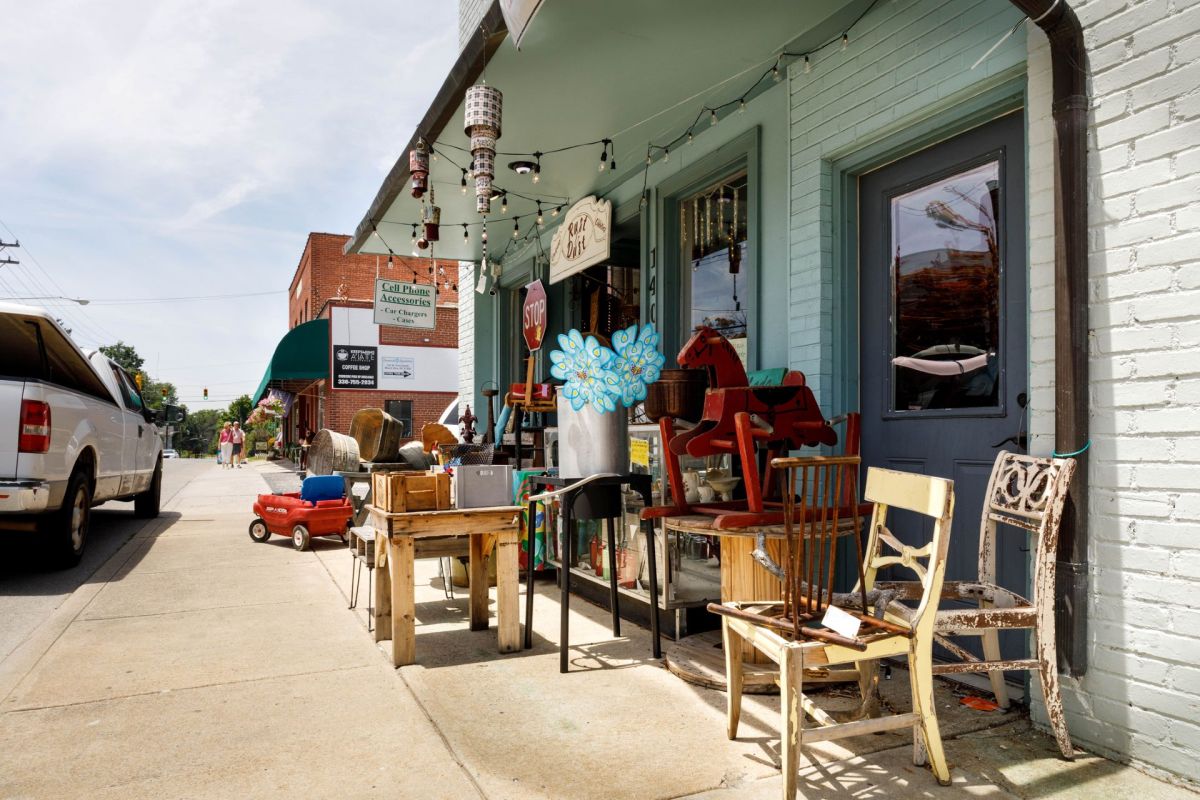
After staff found another batch of unusable goods at its entrance, a charity donation center in Worcester, England, urged people not to leave unwanted items outside its doors.
Rather than providing usable items for sale, the resulting cleanup burden was an extra expense for a store working to support the community.
Here's what to know
On Aug. 17, Katie Bosdyk, store manager at the Salvation Army Donation Centre, opened the shop at 7:30 a.m. and found mattresses, furniture, and clothes outside, according to the Worcester News.
Much of the pile could not be used. "All the clothes [bags] have been ripped open," she said. "The good items have probably already been stolen, and people tend to urinate on them as well."
Bosdyk suggested the items were left outside the store not for the purpose of donations but to avoid properly disposing of waste. "I feel that they dumped it on purpose because they knew we would probably have refused it, as none of it was in a saleable condition," she said. "It happens a lot unfortunately. Usually it's clothes. Furniture happens once or twice a week."
Even if someone's motivations are innocent, leaving goods outside a thrift store overnight can turn donations into trash, exposing them to weather, contamination, and damage. Bosdyk said the center faces that problem often.
TCD Picks » Quince Spotlight
💡These best-sellers from Quince deliver affordable, sustainable luxury for all




Those abandoned items create disposal costs for the shop. Bosdyk said getting rid of one sofa can cost £120, and a previous collection of dumped goods cost it £350.
More background
Secondhand stores extend the life of clothes and household items, reducing waste while making affordable goods available to shoppers. When damaged or unsuitable items are dumped outside, that cycle of reuse is disrupted.
Bags can be soaked with dew, ripped open, or mixed in with broken furniture or other items, leaving staff to sort through things they cannot legally or practically sell.
In this case, Bosdyk said a sofa was missing a leg and fire safety certification, while a mattress was also unsellable. Dumping can effectively turn a donation center into a waste site, putting pressure on workers and pulling resources away from the people the charity is meant to help.
What can be done?
Seeking help, Bosdyk said she contacted the Worcester City Council for support.
"I have asked the council whether they can support us, as we save around 12 tonnes from going to landfill every week, but I have had no response," she told the News.
The council said the matter depends on who owns the land.
"The Salvation Army will need to discuss the removal of recycling and waste with their waste contractor," a spokesperson said.
They added that the council can deal with fly-tipping on public land, while waste left on private land is the responsibility of the landowner.
Donation best practices include stopping by when the shop is open so staff can assess items; do not leave goods outside. If something is wet, broken, unsafe, or unsuitable for resale, a thrift store should not be treated as a free disposal option.
"It is free for people to take things to local recycling centres, but it is not free for me. People have the idea that we get everything for free, but we really do not. Please think before you donate and ask yourself whether you would pay money for it. If you would not, recycle it another way," Bosdyk told the News.

Get TCD's free newsletters for easy tips, smart advice, and a chance to earn $5,000 toward home upgrades. To see more stories like this one, change your Google preferences here.






