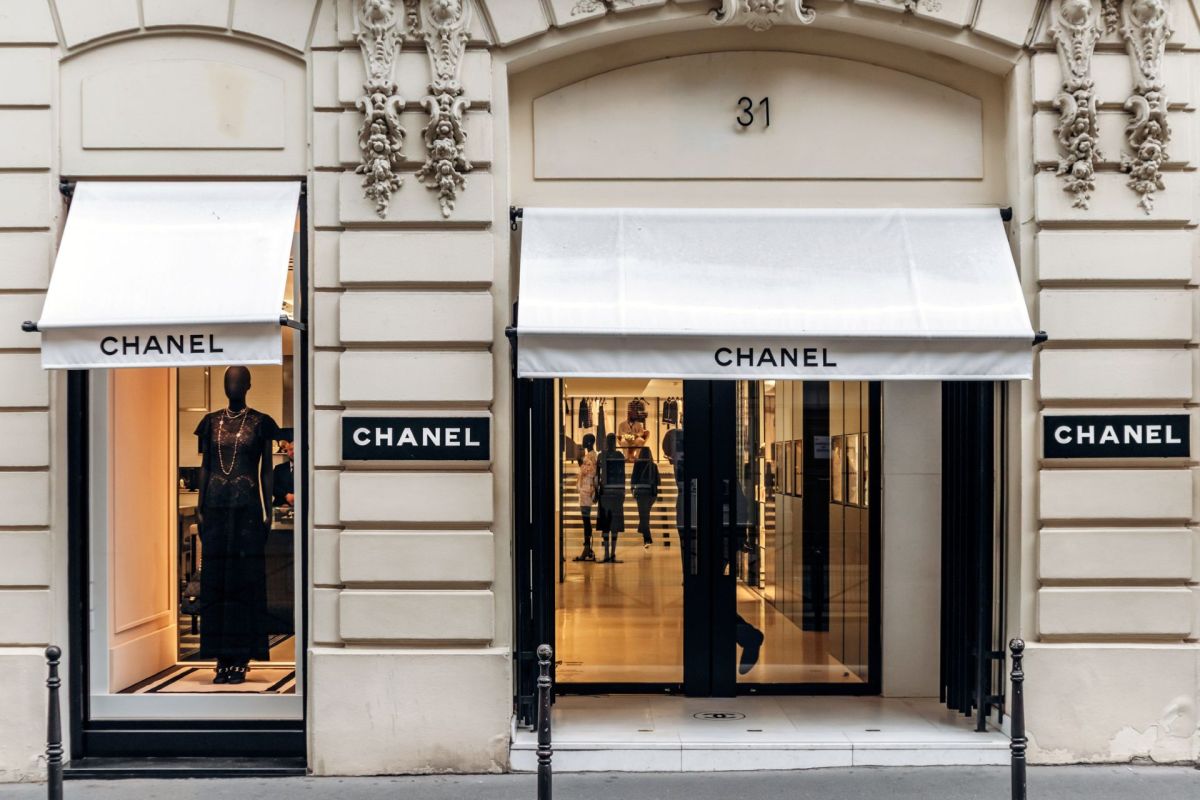
Luxury brands trade on an image of exclusivity and rarity, but a criminal trial involving Chanel in Hong Kong is offering a rare look at the waste that can exist behind that strategy.
Testimony in the case suggests Chanel destroys as many as 20,000 unsold luxury items every six months, according to TheStreet.
What happened?
At the center of the case are two former Chanel workers from the Goodman Interlink warehouse in Tsing Yi, Hong Kong. They are being tried on allegations that they took more than 700 items that had been designated for destruction.
Prosecutors said the goods allegedly included more than 600 handbags, 123 wallets, jewelry, and a single pair of shoes. Authorities claim the two workers, along with two other warehouse employees, pulled the products out of Chanel's destruction stream and were stopped by management and police in January 2017 while allegedly loading them into a delivery van.
Testimony also described how the company's disposal process reportedly worked. Managers checked inventory, inspectors verified the merchandise, and the products were then taken from the warehouse's 23rd floor to a shredding facility on the fifth floor.
Trial evidence suggests this is part of Chanel's broader inventory strategy, with 10,000 to 20,000 outdated products reportedly destroyed every six months.
TCD Picks » Good Store Spotlight
Get 10% off your next purchase with code TCD10



Why does it matter?
One reason companies may destroy perfectly usable goods is to keep them from being sold more cheaply through discount channels or gray markets.
Luxury companies have faced criticism over this before. Burberry drew backlash in 2018 after saying it had destroyed about $38 million worth of unsold goods, while Coach was criticized in 2021 after video appeared to show handbags being slashed before disposal.
As StyleDemocracy Senior Marketing Manager and Social Director Alexandra Krystal said, "But [the] problem is, of course, that burning clothes contributes to [a] negative impact on the environment at a time when fast fashion is already dumping clothes in landfills at a disturbing rate."
What's being done?
Some brands have started moving away from destruction following public pressure. Burberry later said it would reuse, repair, donate, or recycle products instead, while Coach launched its (Re)Loved repair service and resale program.
Mainstream retailers including H&M, Zara, Urban Outfitters, and Nike have introduced resale, rental, repair, or recycling efforts aimed at keeping usable products out of landfills.
Fashion waste is drawing increased scrutiny across the industry, and this case could add pressure for stricter oversight of what happens to unsold stock once it leaves the sales floor.

Get TCD's free newsletters for easy tips, smart advice, and a chance to earn $5,000 toward home upgrades. To see more stories like this one, change your Google preferences here.