


For some Central Texas landowners, the fight over a major transmission proposal began only after the process was already underway and their property had become part of the discussion.
At issue is who gets a say when major energy infrastructure reshapes rural communities.
What happened?
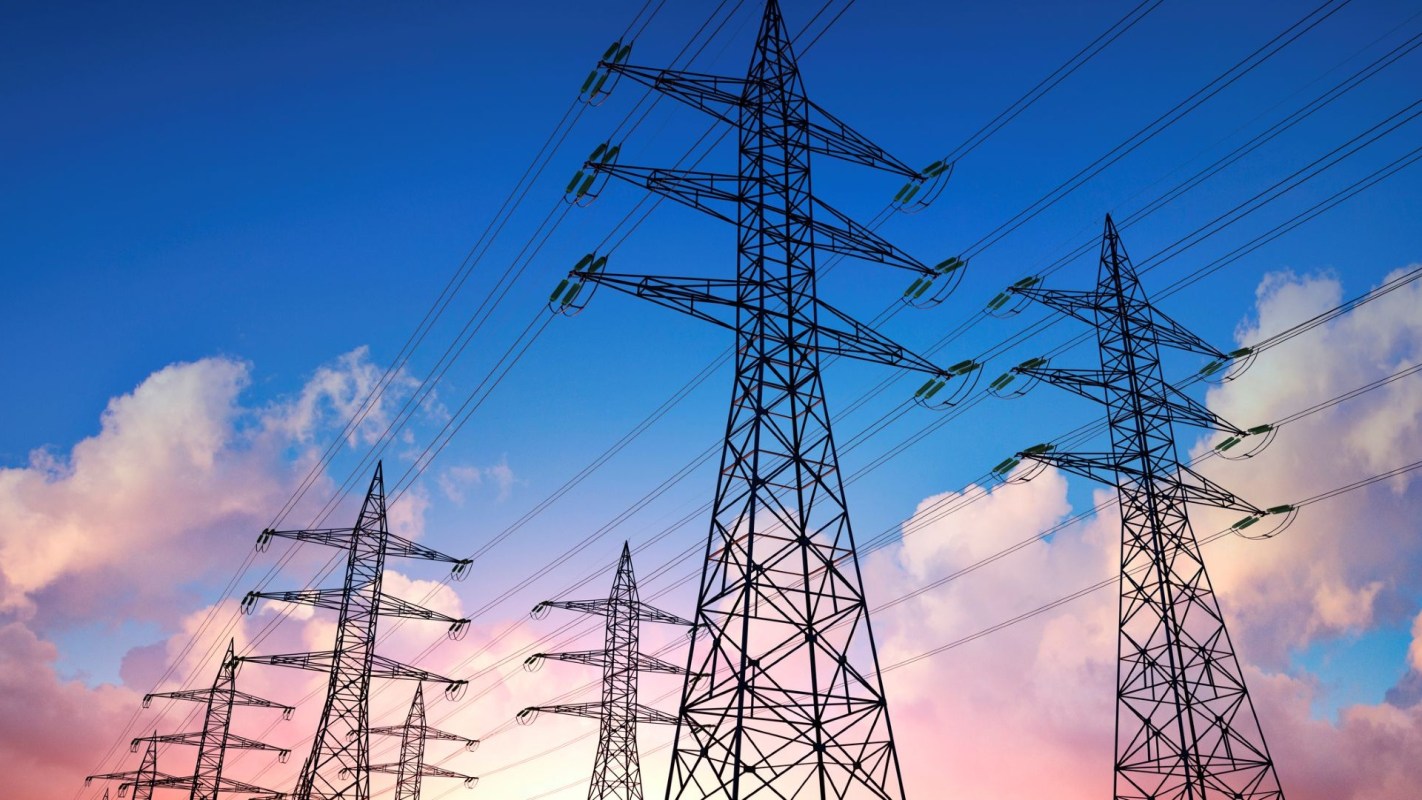
In filings before the Public Utility Commission of Texas, Central Texas landowners are seeking to halt proceedings on the proposed 765-kV Bell County East-to-Big Hill transmission project, Utility Dive reported. They argue that route revisions later pulled their land into the project area without proper notice.
The line is part of a broader high-voltage transmission buildout meant to support projected electricity demand growth in the Permian Basin.
According to the landowners, utilities, including Oncor and Lower Colorado River Authority, changed sections of the route in ways that affected additional properties, yet those newly impacted residents did not get a fair opportunity to attend public meetings or weigh in before the application progressed.
"Over 1,300 directly affected property owners were denied the essential right to attend a public meeting where they could voice their concerns and express their community values regarding this significant development," landowners said in a May 26 motion, according to Utility Dive.
TCD Picks » Quince Spotlight
💡These best-sellers from Quince deliver affordable, sustainable luxury for all




The dispute has also drawn political backing.
An amicus brief filed by State Rep. Brad Buckley, R-Salado, and 42 other Texas lawmakers backs the property rights group American Stewards of Liberty, which is urging regulators to delay decisions until the broader 765-kV expansion plan gets more scrutiny.
Why does it matter?
Large transmission lines can help prevent outages and move electricity more efficiently over long distances, a function that is increasingly important as Texas faces rapidly rising power demand. Public Utility Commission of Texas staff backed the 765-kV approach, citing a 2024 ERCOT study, saying the lines can carry more electricity with fewer losses.
Opponents argue the wider buildout could cost ratepayers billions, while supporters say the investment is necessary for grid reliability. Evidentiary hearings were held June 8-12, and a final PUCT decision is expected in September, Utility Dive reported.
What are people saying?
John Burrow, a Salado landowner, described the imbalance this way: "I was notified of this project after the application was already filed and after earlier public meetings had taken place, and since then I've been forced to navigate a complex legal process without any legal representation, while large utilities with extensive resources move forward."
Oncor spokesperson Andrew Clark defended the need for the lines, saying, "Load in West Texas, specifically, is growing much faster than local generation is able to provide."
Public Utility Commission of Texas spokesperson Rich Parsons said, "Public input is critical in the utility commission's decision-making process."

Get TCD's free newsletters for easy tips, smart advice, and a chance to earn $5,000 toward home upgrades. To see more stories like this one, change your Google preferences here.






