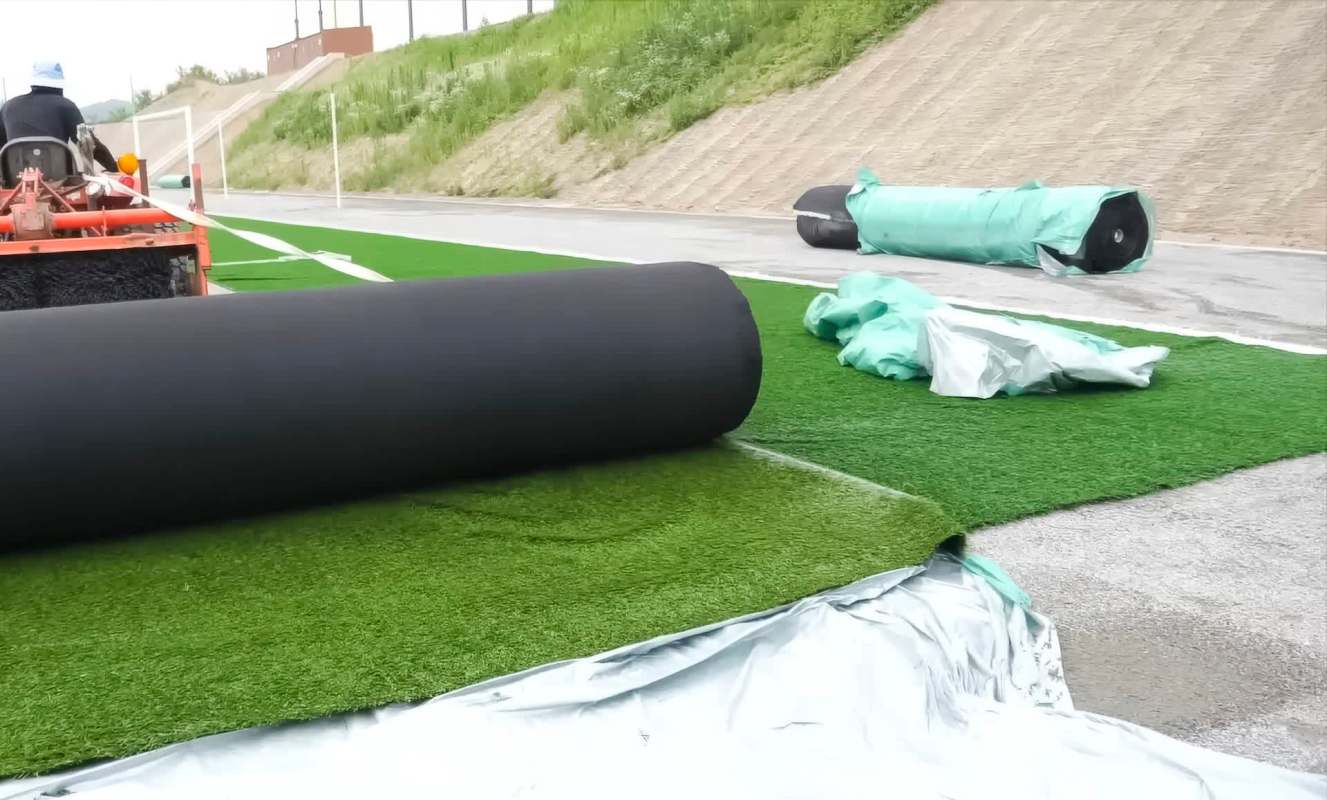
A rebuilding project at Nashoba Regional High School is opening a new debate in Central Massachusetts over whether the athletic field planned for the site of the old high school should be built with natural grass or artificial turf — a decision with cost and sustainability implications for Bolton, Lancaster, and Stow, the three towns that fund the district.
District officials have already backed a move from natural grass to artificial turf, arguing that the change could lower some costs and increase access while also raising longer-term concerns about expense and sustainability for the three towns that pay into the school system.
Here's what to know
MassLive reported that the project's building committee voted in July to revise the plan for the future field at the old high school site, replacing grass with artificial turf. Proponents said the synthetic surface could handle heavier use, require less maintenance, be ready for students sooner, and potentially bring in rental income.
The change is still awaiting local approval, with Bolton's Planning Board and Conservation Commission both needing to sign off before the proposal can advance.
And because Nashoba Regional is funded by Bolton, Lancaster, and Stow, any capital spending tied to the field is reflected in the district budget and ultimately in the property tax assessments that support it.
More background
Although artificial turf is being promoted as the cheaper choice for ongoing upkeep, MassLive reported that it would cost more than grass to install and replace over time.
TCD Picks » Quince Spotlight
💡These best-sellers from Quince deliver affordable, sustainable luxury for all




Districts are often under pressure to stretch budgets as far as possible while also maximizing access to public facilities. A field that can host more games, practices, and rentals may look especially appealing when communities are trying to get more value from a single project.
Still, decisions like this can slow progress toward a more sustainable future if short-term convenience takes priority. Choosing a surface with higher replacement costs can create future budget strain, leaving taxpayers, students, and town officials to confront another expensive decision years down the road.
What's being done?
The district remains in the review stage rather than at a final decision. The next major steps are hearings before Bolton's Planning Board and Conservation Commission, which will give the community more opportunities to weigh the financial and environmental implications.
Since the regional district's capital projects are funded by its member towns, those local approvals will influence how officials assess costs before construction proceeds.
The final outcome will help determine whether Nashoba's new field becomes a model for efficient school use or a reminder that the lowest near-term cost does not always yield the best result for students, taxpayers, and the towns that support them.
Where can I learn more?
Questions like the one facing Nashoba Regional are coming up in school districts around the country. Some communities have pushed back on artificial turf over health concerns, while others have embraced upgrades they say will cut costs and reduce pollution over time.
• In Santa Monica, residents opposed an artificial turf plan over forever chemical fears.
• In New Bedford, officials found the most efficient option for schools was also cheapest.
• In Boulder, students won a Green New Deal that pushes schools toward climate-minded decisions.
Those debates offer a useful backdrop for what Bolton, Lancaster, and Stow are sorting through. Choices about school facilities can shape budgets, public health concerns, and sustainability goals for years.

Get TCD's free newsletters for easy tips, smart advice, and a chance to earn $5,000 toward home upgrades. To see more stories like this one, change your Google preferences here.