


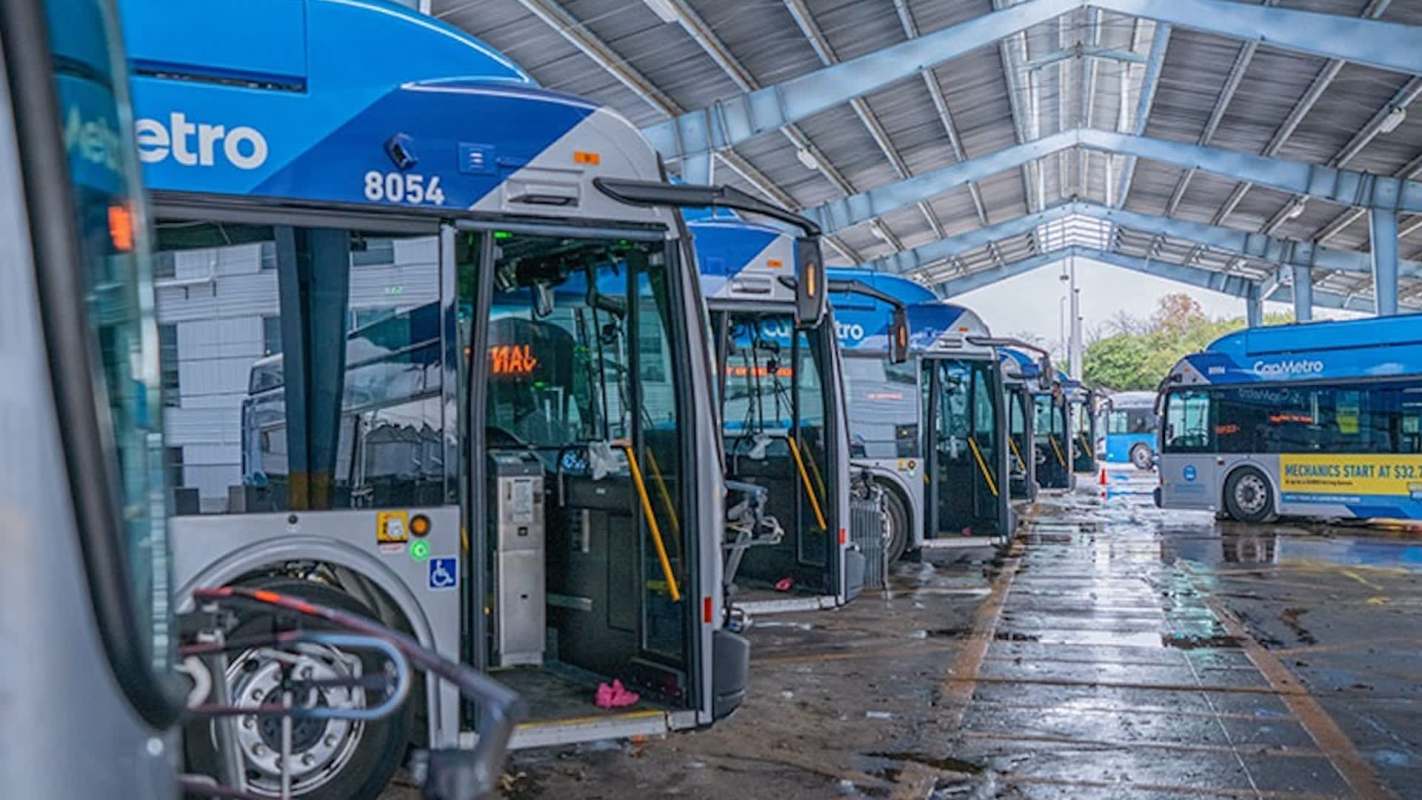
A local CapMetro bus trip in Austin, Texas, is set to rise significantly by 2029 under a newly approved, two-phase pricing change, KXAN reported.
Here's what to know
According to KXAN, CapMetro's board of directors signed off on the increase. The new prices are set to arrive in two rounds: one in January 2027 and another in January 2029.
When the first step takes effect in 2027, local bus and pickup fares will be $1.50, commuter service will be $4, and CapMetro Access will be $2.25. In 2029, those prices will rise again to $2, $5, and $3.25, respectively.
That would put the bus and pickup fare 75 cents above its current $1.25 price in 2029. KXAN described this as the agency's first general fare hike in more than 10 years.
CapMetro said inflation and higher costs for fuel, equipment, maintenance, and transit operations drove the decision. The agency also said it had absorbed those rising expenses for years before proposing the fare increase, per KXAN.
Reduced fares will continue for seniors, people with disabilities, Medicare card holders, and eligible military personnel.
TCD Picks » Quince Spotlight
💡These best-sellers from Quince deliver affordable, sustainable luxury for all




More background
During CapMetro's public hearing on the fare increase, the station reported on a variety of viewpoints.
"I argue that this city with its already extreme traffic difficulties cannot afford the buses not to operate and that the residents of Austin cannot afford such a demanding fare increase," James Smith said, as KXAN relayed.
Others noted how even a modest increase could make budgets tighter for everyday people.
In a public comment, KXAN reported that Anthony Rodriguez said, "Please do not increase the fare. I rely on the bus for my appointments, job, and school. Currently, I am out of work and saving for a used car. Raising the fare will cut into my budget. Please find alternative funding sources for CapMetro."
What's being done?
Rather than making the full increase immediate, CapMetro will introduce the higher fares in stages. The agency's reduced-fare programs will remain available.
Some residents pointed to other changes that could increase revenue.
"I don't disagree with fare increases considering it is still the most affordable option for me to get to work regularly," explained city resident Marissa Farley in a public comment, as KXAN relayed. "However, I would like to see more consistent fare enforcement if there will be an increase."
Awais Azhar, chair of the Project Connect Advisory Committee, emphasized the challenge facing the transit system in a public comment while offering support to the fare hikes.
"There's never going to be a good time for a fare increase," Azhar said, per KXAN. "At the same time, we are supportive of the overall action that CapMetro is proposing at this time. We want to make sure that our system remains reliable and we have the financial resources necessary to have a robust system."
Where can I learn more?
Austin isn't the only place wrestling with how to pay for transit without pricing out riders.
• In New York City, riders said the subway fare increase was becoming harder to absorb.
• As gas prices climbed nationwide, public transit ridership increases showed commuters rethinking daily travel costs.
• Transport for London faced warnings that fares are going to go up.

Get TCD's free newsletters for easy tips, smart advice, and a chance to earn $5,000 toward home upgrades. To see more stories like this one, change your Google preferences here.






