


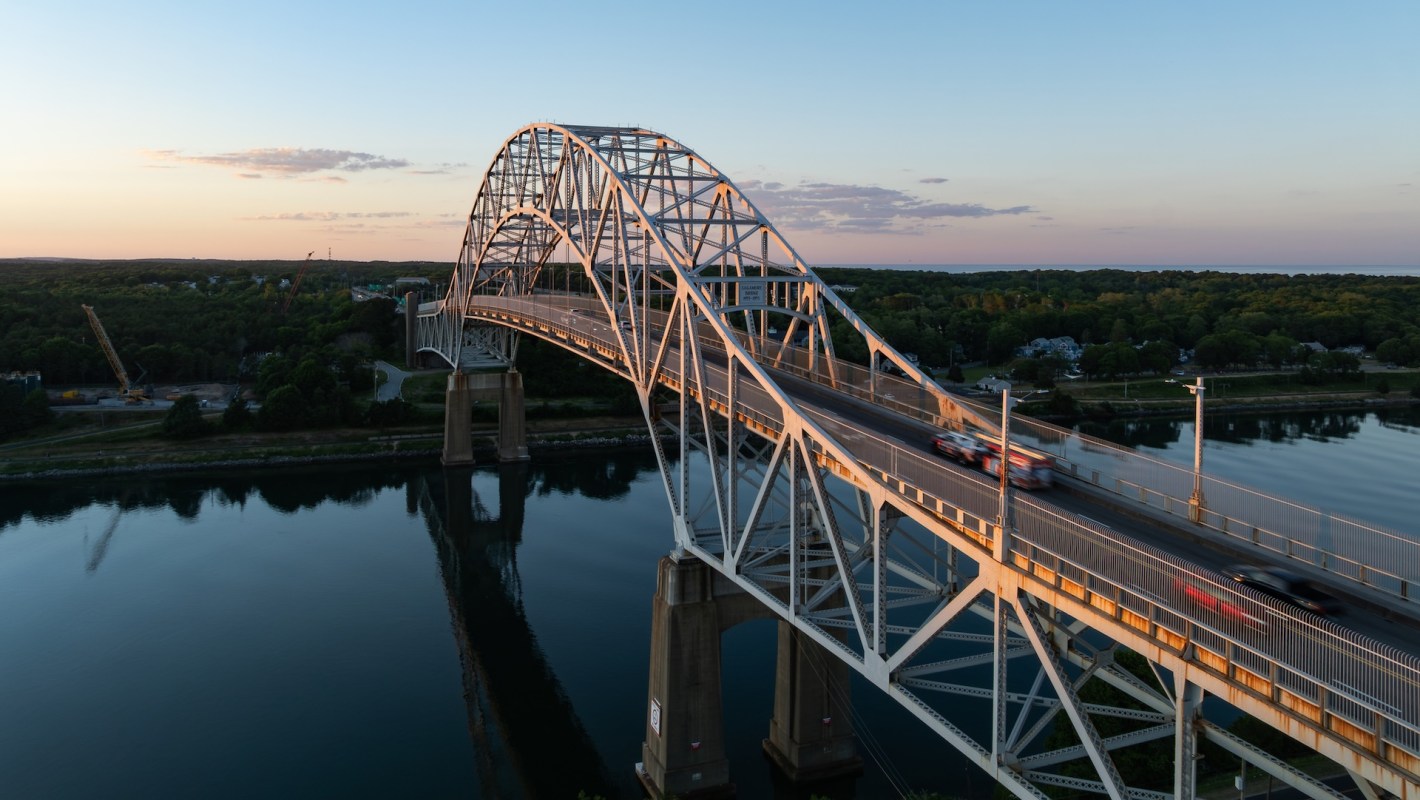
Environmental advocates are questioning plans for a larger gas pipeline tied to the replacement of Cape Cod's two aging bridges, sparking debate over whether the new infrastructure could increase gas supply.
Here's what to know
Algonquin Gas Transmission plans to bury a single gas pipeline beneath the Cape Cod Canal so demolition of the Sagamore and Bourne bridges can proceed. The company owns the lines now carried by the bridges, which supply gas to more than 100,000 National Grid customers on the Cape, according to CommonWealth Beacon.
Massachusetts' Transportation Department would reimburse Algonquin $302 million for the project. The two existing 10-inch lines would give way to a six-mile pipeline measuring 18 inches across at the canal. Its pressure ceiling would be about three times the current lines' operating pressure.
Melissa Sherburne, speaking for Enbridge, Algonquin's parent company, said in a statement shared by CommonWealth Beacon that the "project is not designed to, and will not, increase capacity."
The Federal Energy Regulatory Commission approved the project, determining that the pipeline was properly sized for existing contracted service. Construction is planned for spring 2027, Sherburne said.
More background
Advocates are also concerned about other Algonquin projects that would increase gas supply.
TCD Picks » Quince Spotlight
💡These best-sellers from Quince deliver affordable, sustainable luxury for all




Project RARE would expand supply in southeastern Massachusetts, serving about 600,000 customers. Meanwhile, Enbridge's proposed Project Beacon could increase its pipeline system's capacity by about 10%, with service targeted for 2030, according to CommonWealth Beacon.
In addition to contributing to rising global temperatures, the extraction, production, and burning of non-renewable energy sources like gas, oil, and coal cause air and water pollution linked to asthma, heart disease, cancer, and premature death.
The industry also contributes to worsening extreme weather disasters that destroy homes, livelihoods, and local economies. Households face high energy costs as corporate profits soar, while industry lobbying can delay cleaner, cheaper energy solutions.
Buildings account for 35% of Massachusetts' planet-warming pollution, and six in 10 Cape homes use gas heat, according to the Cape Cod Commission.
What's being done?
The Sierra Club's Cape Cod and Islands Group, along with other advocates, wants the Cape Cod Commission to make approval contingent on Algonquin pledging not to boost gas deliveries, according to CommonWealth Beacon.
Any increase would require separate federal approvals. Algonquin also said significant upstream expansion would be necessary.
The commission, however, said it cannot override the Federal Energy Regulatory Commission's determinations or impose conflicting conditions.
The commission's climate action plan seeks to transition half of the Cape's year-round homes to electric heat pumps by 2050 to reduce dependence on gas heating.
Paul Niedzwiecki, president and CEO of the Cape Cod Chamber of Commerce, supported replacing the bridges while calling for scrutiny of any future gas expansion.
Meanwhile, Chris Powicki, executive committee chair of the Sierra Club's Cape Cod and Islands Group, was concerned about what the larger pipeline could make possible.
"Enbridge says it's not an expansion because we're not allowed to deliver any more gas," Powicki said, according to CommonWealth Beacon. "And our point is, well, you build a bigger pipeline, you could. We want to avoid that, and that's what we're really worried about."

Get TCD's free newsletters for easy tips, smart advice, and a chance to earn $5,000 toward home upgrades. To see more stories like this one, change your Google preferences here.






