


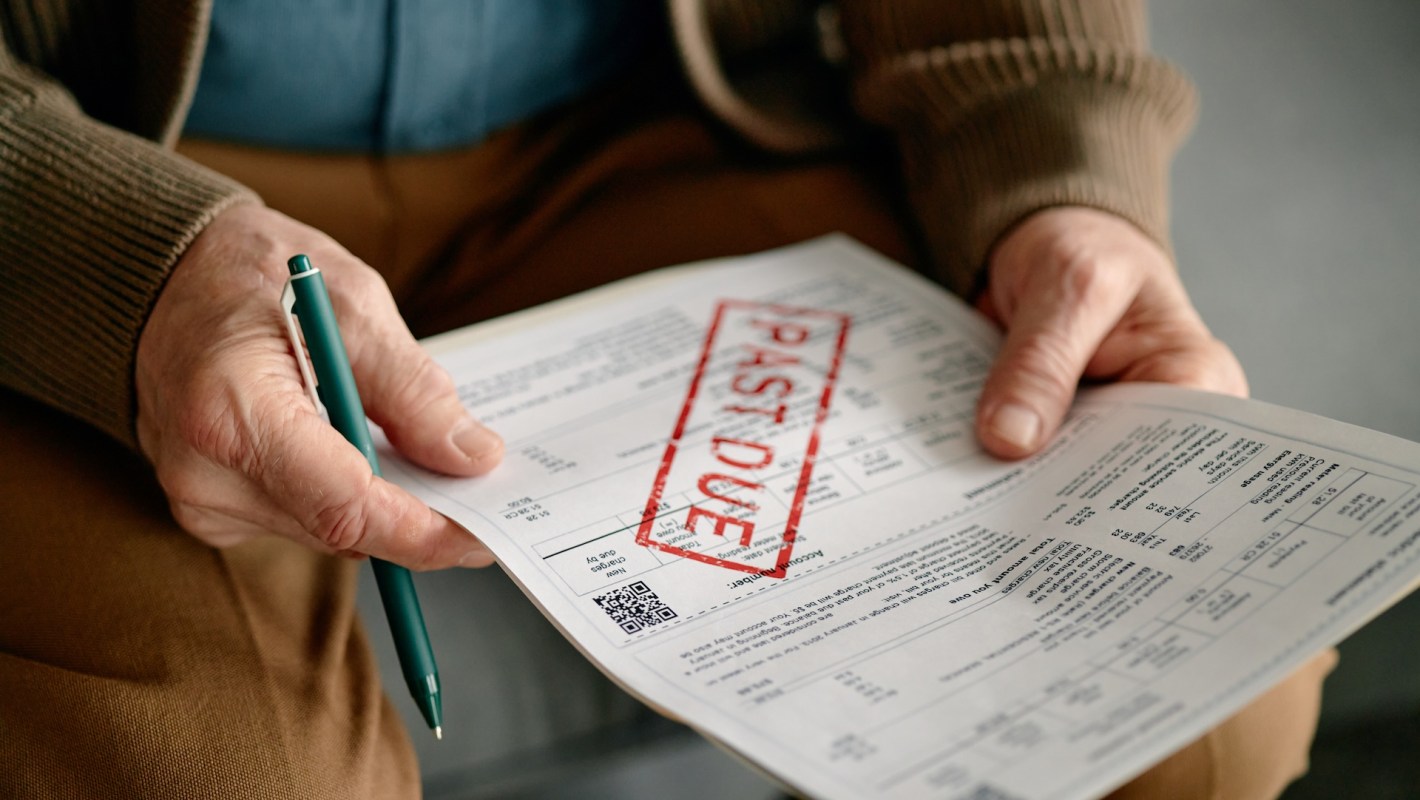
A Canadian family trying to stabilize a 73-year-old relative's finances ran into a tough question: What happens when retirement benefits and income support start coming in, but debt payments still swallow hundreds of dollars each month?
Here's what to know
The original poster described their situation in a Reddit thread on r/PersonalFinanceCanada. The poster said their father-in-law had been relying on Canada Pension Plan and Old Age Security benefits, but "it wasn't cutting it."
Trying to get the Guaranteed Income Supplement in place led to the discovery that he was years behind on filing taxes. According to the OP, this led to months of paperwork related to a former business.
Finally, they got GIS approved, but it still wasn't enough to close the gap between the father-in-law's income and expenses. This was largely because the FIL carried about $18,000 in debt, with "pretty much $600-$700 of payments a month that barely scratches the principal."
Feeling trapped, the OP asked Reddit whether declaring bankruptcy was the father-in-law's best option.
Several commenters agreed that bankruptcy was the best route under the circumstances.
TCD Picks » Quince Spotlight
💡These best-sellers from Quince deliver affordable, sustainable luxury for all




"Yeah, sounds like bankruptcy is the best solution here," wrote one. "Visit a few LITs, they will be able to tell you the best path forward."
"He should stop paying toward his debts and stock up on the things he needs, like pantry foods, clothing, household goods, etc … all of these things are protected under insolvency protections," they added.
More background
The OP provided an update after speaking with a non-profit credit advisor.
"She notified me that since he lives off CPP and OAS that doesn't count as wages," the OP wrote. "Wages are what creditors can go after."
When another commenter warned that creditors could attempt to seize money in the father-in-law's bank accounts, the OP responded, "He's got no cash to take."
However, the OP's father-in-law did own some possessions he worried creditors might take. According to the OP, what seemed to matter most to him were "his old machines" — older farm equipment that had been fully depreciated years ago.
On this point, commenters noted that bankruptcy exemptions differ by province and that aging, low-value equipment may not be worth creditors chasing anyway.
"All provinces have bankruptcy exemptions," advised a commenter. "Look them up for your province and maybe the old machines will fall under an exemption."
What can be done?
The next step for the OP is to get province-specific advice from a licensed insolvency trustee, especially before assuming what assets could be lost.
The family is also checking every available support program.
"He now gets the GIS," the OP said. "I've applied for a hydro subsidy, phone subsidy, and a hydro grant to cover his current balance."
One common refrain among commenters was how lucky the father-in-law was to have the family helping him.
"He wouldn't have been able to do it alone," the OP said. "I can just imagine how many other seniors are in the same boat. Sad."
Where can I learn more?
Money stress like this can show up in different ways, especially as housing and insurance costs keep climbing. These stories follow retirees, homeowners, and Canadian families dealing with insurance spikes, wildfire risk, and broader policy pressures.
• In Idaho, retirees faced insurers fleeing wildfire zones just as costs surged.
• In British Columbia, an off-grid homeowner saw insurance costs quadruple over community living arrangements.
• In Canada, officials warned carbon tax politics could reshape the country's financial outlook.
• In Manitoba, homeowners described excruciating insurance pain as wildfire risks pushed premiums higher.
• In Oregon, families confronted soaring insurance costs as wildfire exposure upended household budgets.

Get TCD's free newsletters for easy tips, smart advice, and a chance to earn $5,000 toward home upgrades. To see more stories like this one, change your Google preferences here.






