


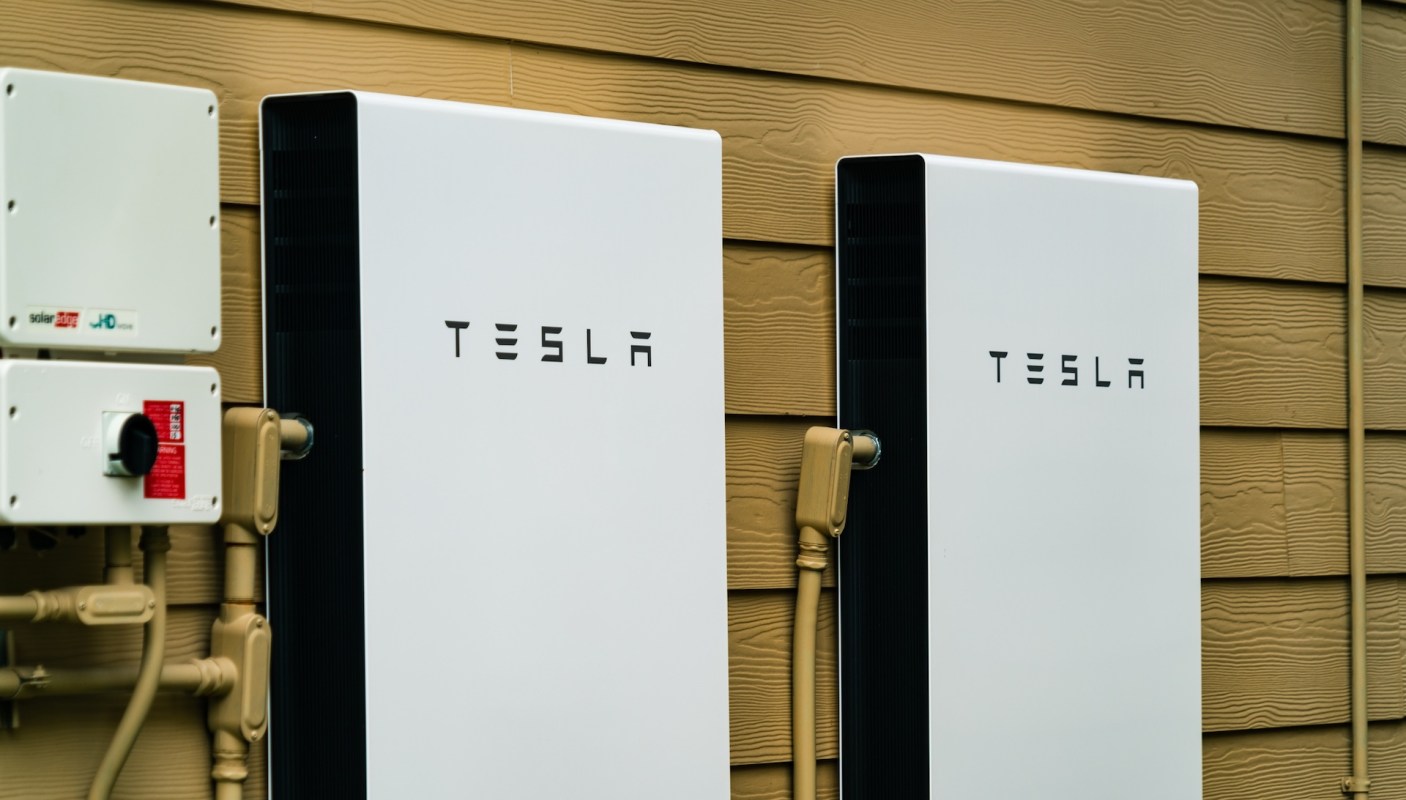
After the utility company adjusted its time-of-use plan to offer the cheapest buyback when the sun is highest, one solar owner debated whether buying a battery was a good workaround.
A California homeowner with a 22-panel solar setup said Tesla was offering a 12-year lease for a battery and expansion at $116 per month, or roughly $122 after tax.
With a complicated lease structure, the homeowner sought advice from an online thread, asking for a "sanity check" before agreeing to anything.
Here's what to know
In a Reddit thread, the original poster said the solar system was installed in 2020 under Net Metering 2.0 and that Tesla's battery-and-expansion lease included a 3% annual escalator. Looking for feedback from other users, the poster wrote: "I've heard all the horror stories with solar leases, but I don't see much of a downside here."
Adding battery storage is one of the best ways to protect your home during outages, save money on energy, and go off-grid. It can also make solar far more useful during blackouts, which is why homeowners comparing offers may want to explore EnergySage for information about home battery storage options, including competitive installation estimates.
EnergySage has teamed with the electrification brand Qmerit to guarantee you get the best price on home battery storage solutions.
One commenter in the thread said: "It really all comes down to how long the battery lasts beyond the 12 years, the cost is roughly the same if you buy with cash today vs lease. If you buy and it continue to keep you off peak hours for another 10 years then it's probably better to own it."
A separate commenter compared the costs and estimated that leasing would add up to $20,877 over 12 years, while paying cash would cost $21,239 for a 27-kilowatt-hour system. With near-identical costs, attention shifted to what the lease actually leaves the homeowner with at the end.
Save $10,000 on solar panels without even sharing your phone number Want to go solar but not sure who to trust? EnergySage has your back with free and transparent quotes from fully vetted providers in your area. To get started, just answer a few questions about your home — no phone number required. Within a day or two, EnergySage will email you the best options for your needs, and their expert advisers can help you compare quotes and pick a winner. Solar panels can save you more than $50k over their 25-year lifespan, and EnergySage can help you save as much as $10k on installation. Which begs the question — isn't that worth an email or two? |

More background
One commenter questioned whether a battery is even needed under NEM 2.0 (California's Net Energy Metering policy). The commenter asked, "If on NEM2 why do you want a battery? Do you have a lot of outages?" and said time-of-use savings may be minimal for a household that already ends the year close to breaking even.
Other commenters argued that each provider's cost structure could change the math and pointed to providers such as San Diego Gas & Electric, since midday solar is valued relatively little but electricity gets much more expensive later in the day. That makes batteries useful for storing lower-cost energy and avoiding costly peak-hour usage.
The question of ownership seemed to catch the original poster by surprise. After seeing the cost and ownership comparison, the poster replied: "Thanks! … Wait, are you suggesting at year 12, the lease option does NOT give me the ownership of the batteries? I was under the assumption that ownership will transfer at the end of the lease."
What can be done?
Understanding the fine print is paramount when considering the true value of a battery lease. If the homeowner expected to own the battery at the end of the lease, only to be hit with an offer to buy it or renew the lease, that could change the math quite a bit.
Another commenter highlighted this scenario, saying keeping the batteries would still require an additional purchase after the lease term, writing: "You'd have to buy them at the end of the lease which would increase the cost well beyond the up front buy cost."
That same commenter summarized the choices at the end of the term: "Renew for five years at a new rate. Buy out the system at fair market value. Tesla removes your system (removal cost applies)."
Shoppers looking for a simpler backup option can also check out Pila, another company offering excellent battery backup options. Its plug-and-play batteries cost a fraction of a whole-home backup system, which may appeal to households that want resilience without committing to a long lease.
Where can I learn more?
• In California, homeowners can use their Tesla Powerwalls to earn up to $1,500 yearly.
• Tesla Solar Roof owners are earning $350 each month by feeding power to the grid.
• In Connecticut, home batteries gained an edge as rooftop solar incentives approached new caps.

Get TCD's free newsletters for easy tips, smart advice, and a chance to earn $5,000 toward home upgrades. To see more stories like this one, change your Google preferences here.






