


California's proposed tax on billionaire fortunes has opened a fight between high-profile economists who support it and powerful tech figures who want it defeated.
If California voters pass Proposition 40 in November, the measure could establish the first billionaire wealth tax in the United States.
Here's what to know
Novara Media reported six Nobel Prize-winning economists have thrown their support behind Proposition 40, which would impose a one-time 5% tax on California residents with billionaire-level wealth. In a letter, they say the proposal could become an early catalyst for broader wealth redistribution in the United States and internationally.
The outlet said the signatories include Joseph Stiglitz, former chief economist of the World Bank; Paul Krugman, a professor at the City University of New York and journalist; and MIT faculty members Peter Diamond, Daron Acemoglu, Abhijeet Banerjee, and Esther Duflo.
Their letter framed the California vote as potentially bigger than a single state measure.
"If the state that houses some of the country's most powerful billionaires votes to tax their wealth, it will kickstart a movement to tax ultra-high-net-worth individuals in other states – and eventually at the federal level and in other countries," the signers wrote.
TCD Picks » Quince Spotlight
💡These best-sellers from Quince deliver affordable, sustainable luxury for all




More background
One reason the proposal is getting so much attention is how much money is being spent to stop it. Opponents in and around Silicon Valley have spent at least $120 million lobbying against Proposition 40.
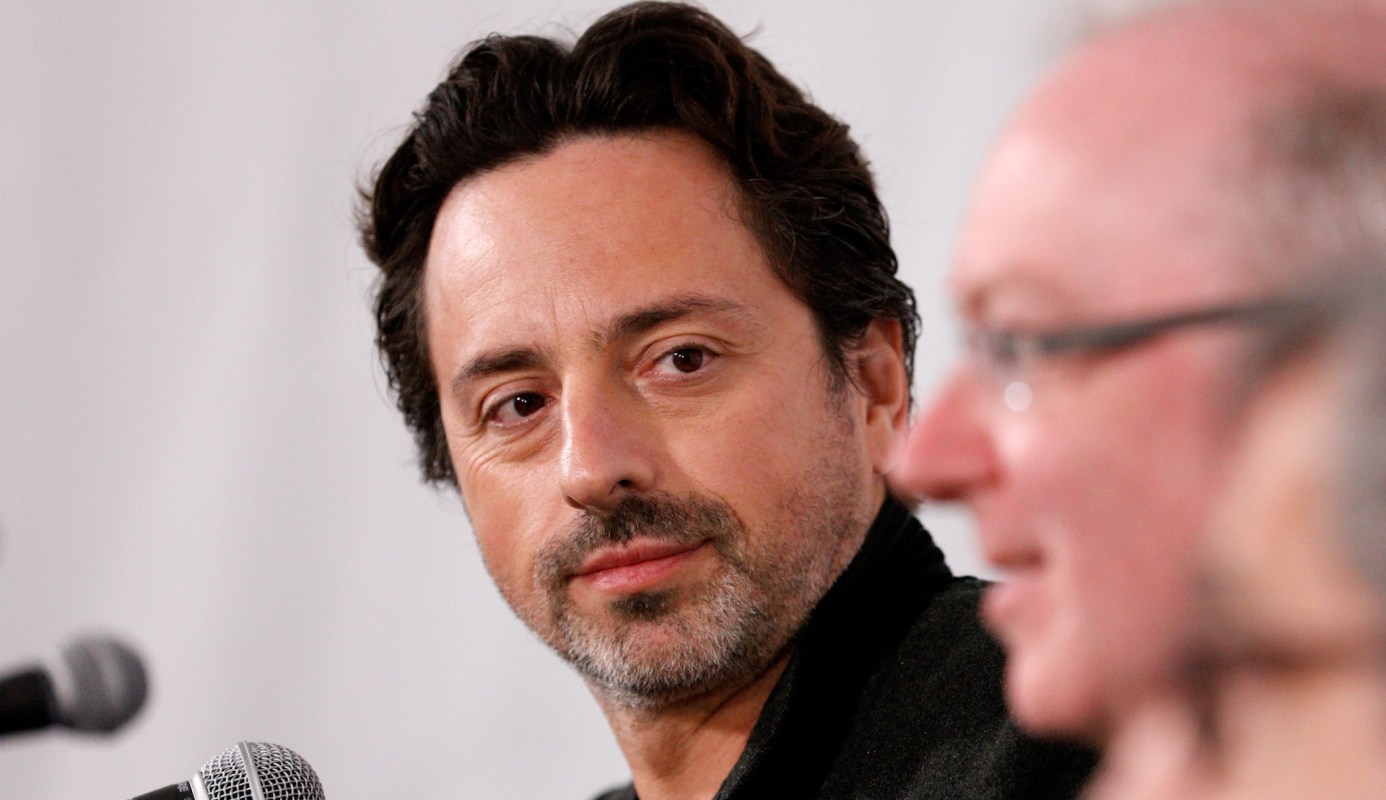
Google co-founder Sergey Brin has been the biggest single contributor, giving $102 million to a group paying for an anti-ballot advertising blitz, per NM. In their letter, the economists pointed to that kind of billionaire influence, noting that billionaires accounted for 1% of federal-election donations in 2000 and 19% in 2024.
They also argued that California's billionaires were taxed on only 1.9% of the $1.4 trillion in wealth they collectively gained from 2019 to 2024, far less than what ordinary Californians typically pay.
The letter said the measure would bring in about $100 billion, money that could help soften 2025 cuts to Medicaid and food assistance tied to President Donald Trump's One Big Beautiful Bill Act.
What's being done?
The primary effort underway is political. Economists and advocates argue that taxing extreme wealth could help shore up public services while reducing billionaires' growing influence over elections and policy.
Their endorsement also gives the proposal unusual academic weight. Rather than coming only from activists or partisan groups, the push now includes several of the most recognizable names in economics, all arguing that concentrated wealth has become as much a democratic problem as a fiscal one.
Not every billionaire is publicly opposing the idea. CNBC reported that Nvidia CEO Jensen Huang said he would be "perfectly fine" with the 5% levy. With a net worth of $159 billion, Huang could face a tax bill of about $7 billion.
For the economists, the stakes go beyond tax policy alone, as Novara Media captured.
"As Californians head to the polls, their vote may well come to be seen as a turning point in the battle between democracy and oligarchy," the letter concluded.
Where can I learn more?
The fight over Proposition 40 is part of a broader debate over concentrated wealth and political influence.
• In California and Nevada, a hub for the wealthiest is intensifying worries about tax flight.
• In Silicon Valley, officials used a new law targeting sprawling billionaire compounds and inequality.

Get TCD's free newsletters for easy tips, smart advice, and a chance to earn $5,000 toward home upgrades. To see more stories like this one, change your Google preferences here.






