


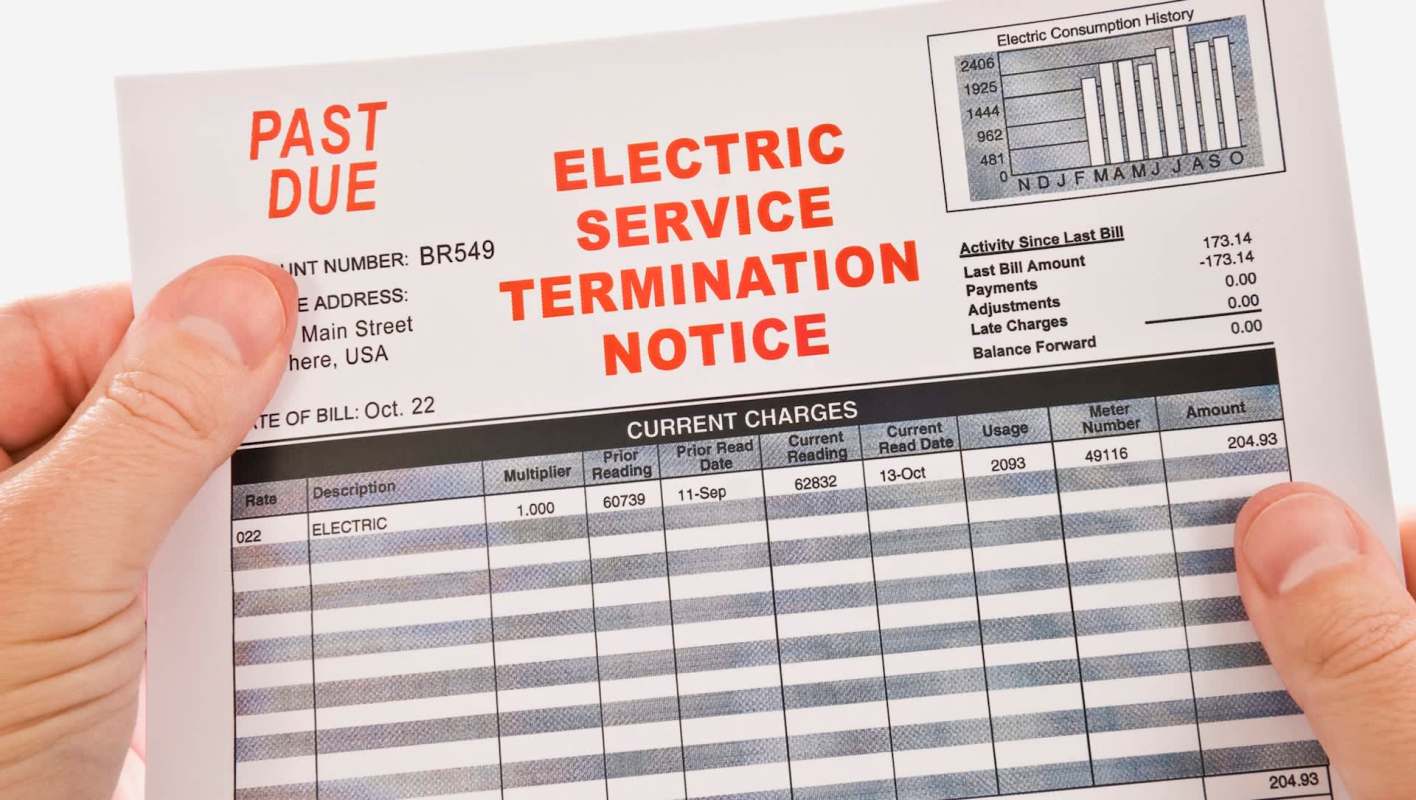
California residents who fall behind on their electric bills are getting more protection during dangerous heat.
According to USA Today, the California Public Utilities Commission has told the state's largest utilities to pause shutoffs for unpaid bills whenever 90-degree temperatures are expected at any point during the next three days.
What's happening?
USA Today reported that the requirement covers PG&E, Southern California Edison, and SDG&E. It lowers the old threshold, which had only stopped shutoffs when forecasts called for temperatures above 100 degrees.
The commission approved the update earlier this month as California continues to endure intense summer heat across much of the state.
The commission said the "loss of power during temperature extremes poses serious public health risks."
For now, the 90-degree standard serves as part of a larger shift toward using local conditions to determine when disconnections should be suspended.
TCD Picks » Quince Spotlight
💡These best-sellers from Quince deliver affordable, sustainable luxury for all




Why does it matter?
A fixed statewide temperature trigger can miss the reality that heat affects people differently depending on where they live. Ninety degrees in one region may be manageable, while the same forecast somewhere else can bring a much greater risk of illness.
For households already struggling with high utility bills, the updated rule provides a critical layer of protection. Instead of facing the threat of disconnection during a dangerous stretch of heat, customers will have a better chance of keeping the lights on and the air running when they need it most.
Extreme heat is becoming more frequent and more intense. It can raise the risk of dehydration, heat exhaustion, and other serious health emergencies.
The new policy could help prevent residents from having to choose between paying overdue bills immediately and protecting themselves from unsafe indoor temperatures.
What's being done?
State officials are preparing to move away from a single statewide heat trigger and instead use a public health measure known as CalHeatScore, short for the California Communities Extreme Heat Scoring System, according to USA Today.
The California Environmental Protection Agency's Office of Environmental Health Hazard Assessment created the tool, which rates heat danger by ZIP code on a 0-to-4 scale from low to severe, USA Today reported. When utilities begin using it, a Level 2 score will be the point at which shutoffs for unpaid bills must stop.
The commission says that benchmark is more consistent with its intent "to expand heat protections for residential customers." Regulators said, as cited by USA Today, the system is meant to better reflect higher health risks in different regions than a single temperature cutoff does.
Regulators expect the transition within six months. In the meantime, utilities must still halt disconnections when the forecast reaches 90 degrees, and that same standard will apply again if CalHeatScore is temporarily unavailable.
At its core, the policy is meant to support "the establishment of region-specific thresholds for disconnection suspensions" while acknowledging that the "loss of power during temperature extremes poses serious public health risks."

Get TCD's free newsletters for easy tips, smart advice, and a chance to earn $5,000 toward home upgrades. To see more stories like this one, change your Google preferences here.






