


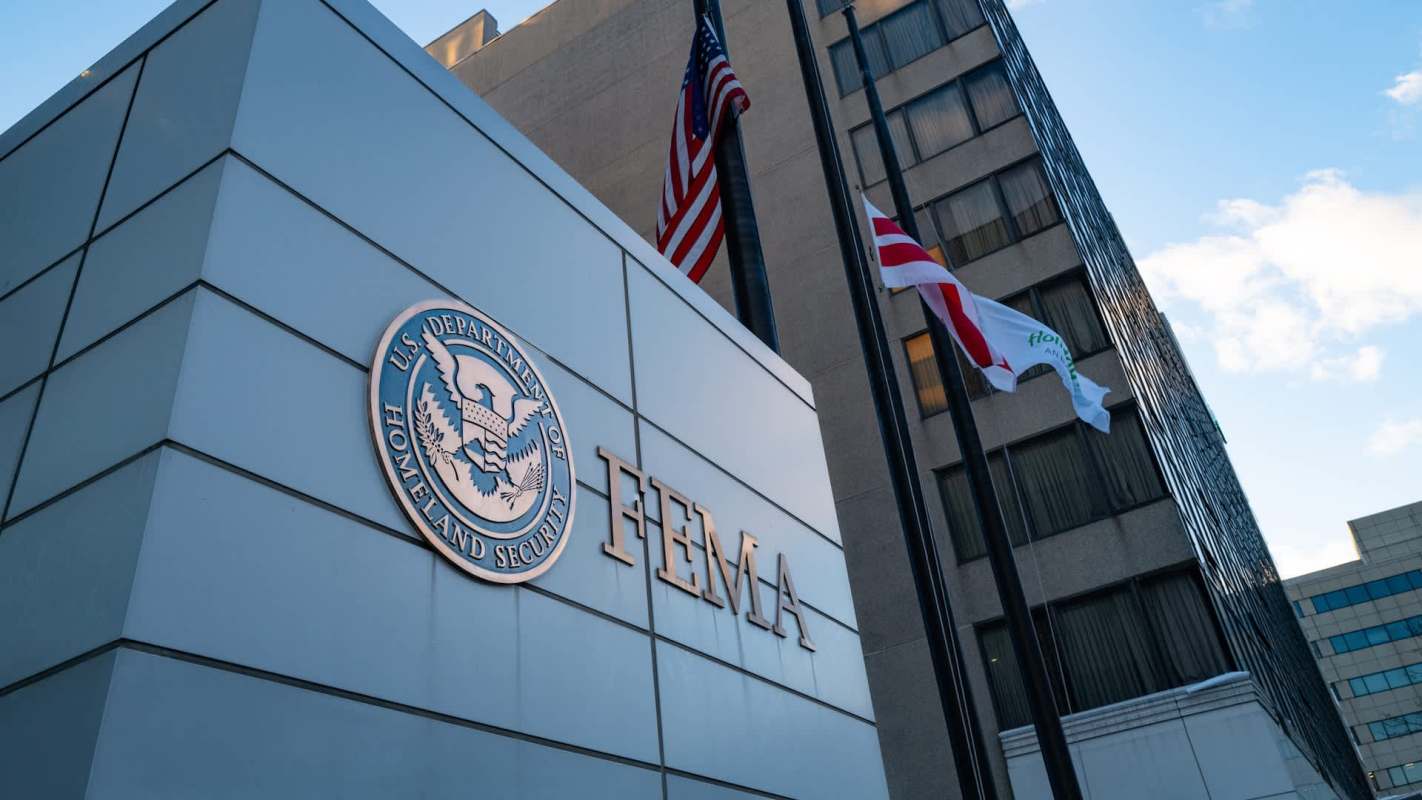
Hundreds of Southern California renters displaced by the Eaton and Palisades fires lost FEMA housing help on Oct. 9, with no public replacement program announced yet.
For many families, the cutoff comes in a region where affordable rentals were already hard to find long before the fires, according to Pasadena Now.
Here's what to know
Lisa Odigie, chair of the Eaton Fire Collaborative's Emergency Housing and Stabilization Committee, told Pasadena Now that 603 renter households were losing FEMA rental assistance as of Friday, Oct. 9.
That figure includes 253 Eaton Fire survivors' households.
Pasadena Now confirmed that no state, county, or city agency has unveiled a program to take over following the end of that federal support.
California asked FEMA to extend housing assistance under the Individual Assistance Program for a full year for both homeowners and renters. On June 23, FEMA granted homeowners the full 12 months but approved only three additional months for renters.
FEMA's explanation had two parts: the agency claimed renters had already received up to 18 months of assistance, and it felt the rental market offered enough options to secure permanent housing — even though its approval letter cited "severe regional housing constraints."
Lawmakers also raised alarms over the approaching deadline.
SoCal exclusive: Save 40% on your electric bill by going solar with no upfront costs Crushed by your monthly electric bills? Palmetto can take care of you with an exclusive solar offer for Southern California residents. Palmetto's home energy savings plans deliver all the benefits of going solar with zero upfront investment. For a limited time, special rates in Southern California can unlock bill savings of up to 40% — and you can get a custom quote in seconds without sharing your email or phone number. |

A Sept. 24 letter from Reps. Judy Chu and Brad Sherman and Sens. Adam Schiff and Alex Padilla described Oct. 9 as a looming "housing assistance cliff." For Southern California households already juggling high costs, cutting utility bills can make a difference.
More background
For many displaced tenants, returning to their previous home isn't feasible.
As of Jan. 31, the UCLA Latino Policy and Politics Institute found that nearly three-quarters of recorded rental units inside the Eaton Fire perimeter were on properties with no rebuilding permit, sale, or listing.
"So for most displaced renters, there is no unit to plan a return around," wrote Gabriella Carmona, a senior research analyst at the Institute.
She also warned that rebuilding a destroyed unit doesn't guarantee the former tenant can move back, and the replacement unit may not come with full rent stabilization protections.
In Carmona's view, the most likely alternatives are a more expensive market-rate apartment, staying with relatives or friends, or moving away from Altadena.
She explained that Altadena tenant households were at a disadvantage before the fire, with a median income of about $73,000 — less than half the homeowner figure — and more than half already rent-burdened, meaning over 30% of household income goes to rent or utilities.
What's being done?
FEMA announced an additional $3.3 million for the Los Angeles wildfire Disaster Case Management Program, bringing total funding to more than $13 million for services expected to reach over 3,000 survivors.
FEMA did not indicate when local providers would get the money, how it would be distributed, or how long those services would last.
Odigie noted that more than 1,400 survivors are in disaster case management, and that the Eaton Fire Collaborative has been working with Los Angeles County agencies to make prevention and rental assistance easier to access.
The collaborative identifies the following local programs as offering rental help to Eaton Fire survivors: Union Station Homeless Services, Door of Hope, Friends Indeed, the Salvation Army in Pasadena, St. Vincent de Paul, and A Sense of Home.
The collaborative is urging FEMA to act on California's pending request for case-management funding, sustain the program for the full approved period, and provide a timeline.
It is asking the state for a bridge plan for survivors caught between FEMA aid and longer-term housing programs, while also prioritizing displaced Eaton Fire renters in state-backed housing.
It asks the county to find flexible funding for documented gaps blocking permanent housing, clarify who will be responsible for households after case management ends, and create a way to escalate cases current programs cannot stabilize.
Odigie told Pasadena Now last week that time has been running out to resolve the problem.
"This is the concern we are trying to elevate — there is unfortunately no quick solution."
Where can I learn more?
Wildfire survivors across California are still scrambling for stable housing and financial relief. These stories examine pressure on Sacramento for housing funding, expiring rent protections in L.A. County, and insurance failures for displaced homeowners.
• Eaton Fire survivors are pressing Sacramento for insurance fixes and housing advances as bills mount.
• In L.A. County, post-fire rent gouging protections expire, and families fear 50% hikes.
• Displaced Los Angeles homeowners found insurers failed them before the Palisades Fire even began.

Get TCD's free newsletters for easy tips, smart advice, and a chance to earn $5,000 toward home upgrades. To see more stories like this one, change your Google preferences here.






