


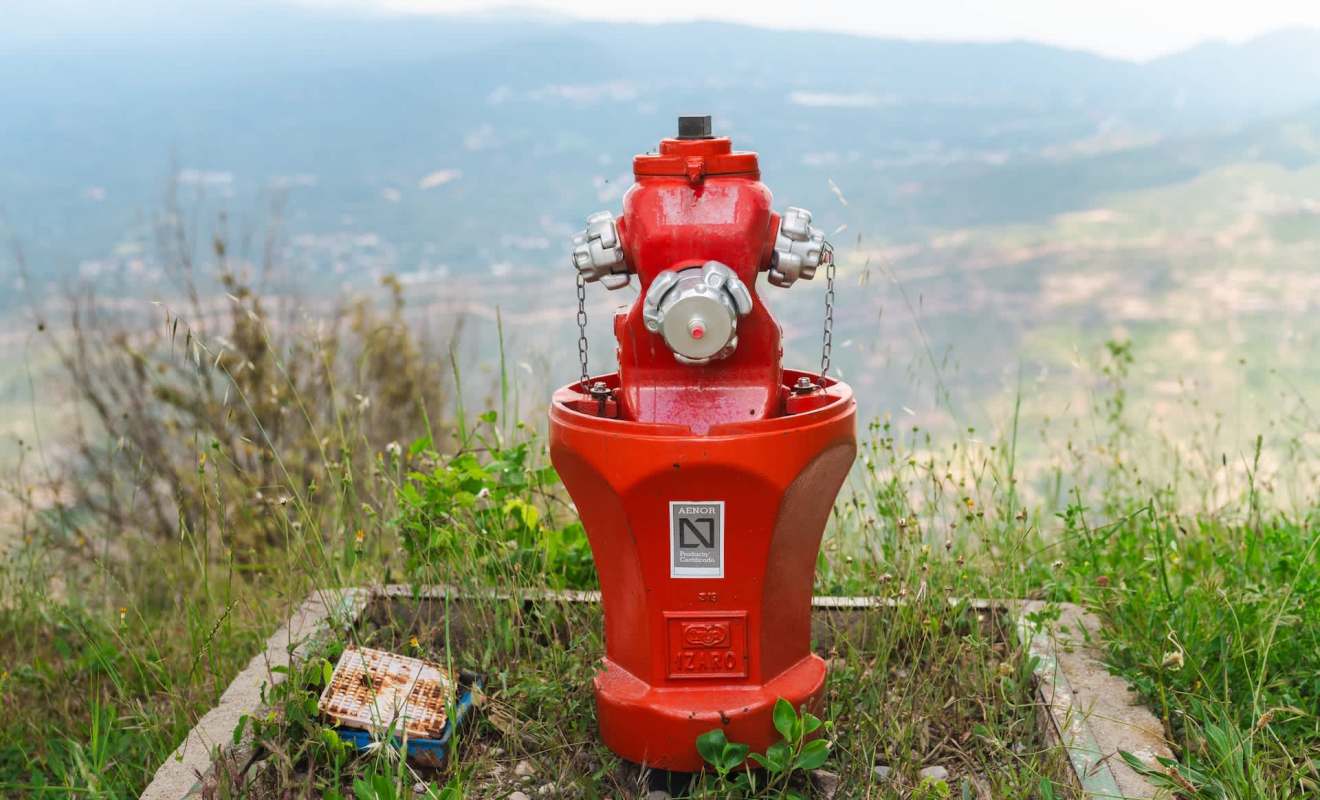
California lawmakers advanced a measure that would bolster the legal defenses available to public water agencies as litigation grows over dry hydrants and other water system breakdowns in Los Angeles-area wildfires, the Los Angeles Times reported.
The proposal could influence who is held responsible after deadly fires — and make it harder for devastated communities to seek accountability when critical systems fail.
Here's what to know
Senate Bill 1153 has cleared the California Legislature, according to the Los Angeles Times.
Under the measure, public water agencies would not be considered responsible for designing, building, or maintaining their systems for wildfire defense or suppression.
Moreover, a loss of water supply or pressure during a wildfire would not be treated as a "substantial cause" of fire damage.
The measure is awaiting Gov. Gavin Newsom's signature.
TCD Picks » Quince Spotlight
💡These best-sellers from Quince deliver affordable, sustainable luxury for all




It comes after residents sued the city of Los Angeles and the Los Angeles Department of Water and Power over the January 2025 Palisades fire, which left 12 people dead and destroyed thousands of homes.
Backers claim that the bill reflects the limits of existing water infrastructure rather than changing what those systems are built to do.
In an email, Association of California Water Agencies executive director Karla Nemeth articulated the group's position.
"Water systems are designed for providing safe and clean drinking water and providing water to aid in small structure fires. Water systems are not designed for climate-driven wildfires," she wrote.
More background
Water demand surged during the Palisades fire as firefighters relied heavily on hydrants and residents turned on hoses and sprinklers.
As the fires continued raging, however, melted pipes leaked, hillside tanks were drained, and hydrants in higher-elevation neighborhoods lost pressure.
Anger also focused on the nearby Santa Ynez Reservoir, which the Los Angeles Times reported had been drained for repairs and remained empty while neighborhoods burned.
Attorneys for Pacific Palisades residents have argued that the failed hydrants and empty reservoir are part of the reason the city and DWP should be held liable.
State officials found that draining the reservoir was necessary to protect public health and that, even if it had been full, the area's pipes "would have been quickly overwhelmed" and lost pressure anyway.
Similar hydrant pressure failures have occurred in several other wildfires, including the Freeway Complex fire in 2008, the Tubbs and Thomas fires in 2017, the Woolsey fire in 2018, and the Mountain fire in 2024.
What's being done?
The legislation does include a preparedness mandate.
Urban retail water suppliers in high or very high fire hazard zones would have to add wildfire-specific response procedures to their disaster plans, including equipment and actions that could help reduce damage to water systems.
Supporters assert that the bill is about balance.
Elisa Rivera, a spokesperson for state Sen. Anna Caballero, framed the legislation as "preparing our water systems for wildfires while recognizing their practical limits."
Nemeth also said the measure would reduce "exposure to costly lawsuits that can ultimately increase water rates and negatively affect affordability."
Still, some lawmakers pushed for stronger action.
Assembly Bill 2013 from Assemblymember Steve Bennett would have required agencies in high- or very high-fire-risk areas to evaluate the number and type of water pumps needed to maintain flow, including to hydrants, and to publicly report which pumps had emergency backup power and which did not.
That bill did not pass.
Bennett did, however, succeed in advancing a narrower law for Ventura County that requires backup power so pumps can keep operating during outages and calls for tanks to be topped off after a notification from county emergency officials about dangerous weather conditions.
"People definitely want to know more about what their water districts are doing to be prepared for wildfires, so that they don't prematurely run out of water," Bennett observed.
Where can I learn more?
Los Angeles' hydrant failures are part of a broader California fight over wildfire policy and who should be held responsible when water systems break down in a fast-moving fire.
The articles below look at the strain exposed by the Palisades fire and the wider debate over how communities should prepare for the next one.
• During the Palisades fire, Los Angeles crews found hydrants running dry as demand surged.
• In Sacramento, a push to overhaul California's wildfire response drew sharp debate statewide.
• Across California, homeowners clashed over proposed fire prevention regulations meant to create defensible space.
Read together, these stories underscore how wildfire readiness now depends on both physical infrastructure and the legal rules that shape accountability.

Get TCD's free newsletters for easy tips, smart advice, and a chance to earn $5,000 toward home upgrades. To see more stories like this one, change your Google preferences here.






